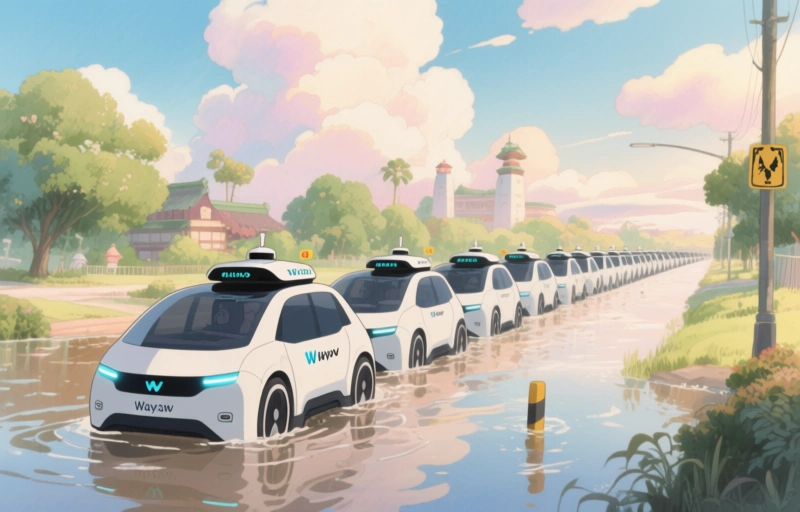
Waymo recalls over 3,500 autonomous vehicles after a robotaxi drives into floodwater in San Antonio. The software fix improves hazard detection. No injuries reported.
Waymo has issued a software recall for its entire fleet of autonomous vehicles after one of its robotaxis drove into high water in San Antonio, Texas. The incident happened when the self-driving car ignored flooded road signs and entered a submerged street, raising serious safety concerns. The recall affects over 3,500 vehicles, and the company is rolling out a software update to prevent similar situations.
This isn't just a small glitch—it's a wake-up call for the autonomous vehicle industry. You'd think a car with so many sensors would know better than to drive into a flood, right? But here's the thing: the software didn't recognize the water as a hazard. It saw a road, not a danger zone.
### What Happened in San Antonio?
The robotaxi was navigating a residential area in San Antonio when it approached a street covered in floodwater. Despite clear warning signs and barriers, the vehicle proceeded into the water, forcing firefighters to rescue passengers. No one was hurt, but the incident exposed a critical flaw in the car's decision-making logic.
Waymo's response was swift. They recalled every vehicle in their fleet—over 3,500 units—to install a software patch that improves how the car detects and avoids standing water. The update teaches the system to recognize flood conditions and reroute or stop safely.
### Why This Matters for Self-Driving Cars
Autonomous vehicles rely on cameras, radar, and lidar to see the world. But water can trick these sensors. Reflections, murky depths, and changing road conditions make it hard for AI to judge if a puddle is safe to cross. This recall shows that even advanced systems have blind spots.
- **Sensor limitations:** Water can confuse lidar and cameras, especially at night or in rain.
- **Software logic:** Cars need better rules for handling unusual obstacles like floods.
- **Human oversight:** Remote operators sometimes can't intervene fast enough.
Waymo's fix focuses on improving how the car interprets visual data. The new software adds a layer of caution: if the car suspects standing water, it will stop and wait for remote assistance rather than proceeding.

### What This Means for You
If you own a Waymo vehicle or use their ride-hailing service, you don't need to do anything. The recall is handled over the air—the car will update itself automatically. But this incident is a reminder that no technology is perfect. Even the best self-driving cars can make mistakes.
For professionals in the autonomous vehicle space, this is a case study in safety engineering. It shows the importance of testing edge cases—like flooded roads—that aren't common but can be deadly. Waymo's quick action is a good sign, but it also highlights how much work remains.
### The Bigger Picture
Autonomous vehicles have driven millions of miles, and serious accidents are rare. But when they happen, they make headlines. This recall is a step toward safer systems, but it also raises questions about regulation. Should cities require special permits for self-driving cars in flood-prone areas? Should the software be required to fail-safe in extreme weather?
For now, Waymo is handling the problem. But the industry as a whole needs to learn from this. Floods, snow, and fog are tough for humans to drive in—and they're even tougher for machines.
### Key Takeaways
- Waymo recalled over 3,500 vehicles after a robotaxi drove into floodwater in San Antonio.
- The software update improves the car's ability to detect and avoid standing water.
- No injuries occurred, but the incident highlights sensor limitations in autonomous systems.
- The recall is automatic via over-the-air updates, so no action is needed from owners.
This story isn't just about one bad drive. It's about how we build trust in technology that's supposed to keep us safe. Waymo's recall shows they're paying attention. But it also shows that the road to fully autonomous driving still has a few puddles to navigate.