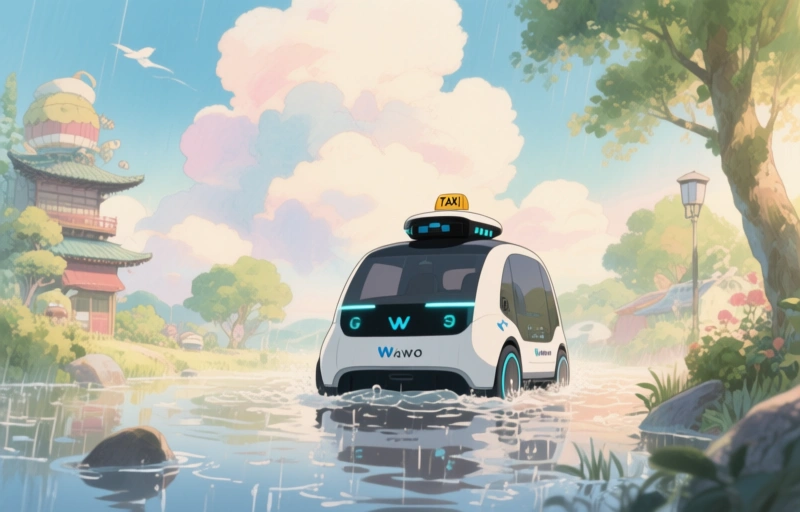
Waymo recalls nearly 3,800 self-driving taxis over a flood risk software glitch. Learn what happened, why it matters for autonomous vehicles, and how the fix works.
Waymo just hit a major speed bump. The company recalled nearly 3,800 self-driving taxis after discovering a serious flood risk. If you follow autonomous vehicles, you know this isn't just a small hiccup. It's a big deal for the industry and for anyone who relies on these robotaxis.
### What Happened with the Recall?
Waymo voluntarily recalled 3,800 of its self-driving cars. The issue? A software glitch that could cause the vehicles to misjudge flood conditions. In heavy rain or standing water, the cars might not stop or reroute properly. That's a safety nightmare, especially in places like San Francisco or Phoenix where sudden storms can flood streets fast.
According to Yahoo Autos, the problem was flagged after a few incidents where the robotaxis got stuck in water. Waymo acted quickly, but the recall still raises big questions about how ready self-driving tech really is for unpredictable weather.
### Why This Matters for Self-Driving Cars
This recall isn't just about Waymo. It's a reality check for the entire autonomous vehicle industry. Self-driving cars rely on sensors, cameras, and AI to navigate. But rain, snow, and flooding can confuse those systems. Water reflects light, messes with lidar, and hides road markings.
- **Sensors can fail** in heavy rain or fog.
- **Maps get outdated** when roads flood.
- **AI struggles** to predict water depth.
These are real problems that no company has fully solved yet. Waymo's recall shows that even the leader in self-driving tech has blind spots.
### What Waymo Is Doing About It
Waymo says the fix is a software update. No physical repairs needed. The update will help the cars better detect flood risks and avoid them. The company claims no injuries or accidents happened because of this issue, but they're being cautious.
> "Safety is our top priority. We're updating the software to ensure our vehicles handle all weather conditions safely." — Waymo spokesperson
Still, critics argue that software updates can't fix hardware limitations. If the sensors can't see through a downpour, no amount of code will help. This recall might push Waymo to rethink its approach to bad weather.
### What This Means for You
If you use Waymo robotaxis in the United States, you might notice fewer cars on the road for a while. The recall affects vehicles in several cities, including San Francisco and parts of Arizona. Waymo is rolling out the update over the air, so most cars should be back in service soon.
But here's the bigger picture: this recall is a reminder that self-driving tech is still a work in progress. It's not ready to handle every condition a human driver can. For now, robotaxis work best in sunny weather on well-mapped streets. Rain, snow, and floods? Not so much.
### The Bottom Line
Waymo's recall of 3,800 robotaxis over flood risk is a wake-up call. It shows that autonomous vehicles have a long way to go before they can replace human drivers everywhere. The software fix might solve this specific problem, but the industry needs to tackle bigger challenges like weather resilience and sensor reliability.
If you're a professional in the car recall check space, this story highlights why staying on top of recalls matters. Even cutting-edge tech isn't immune to flaws. Always check for recalls on any vehicle, whether it's driven by a person or a computer.