Volvo Recalls 40,000 SUVs for Battery Fire Risk
Wouter Smit ·
Listen to this article~4 min
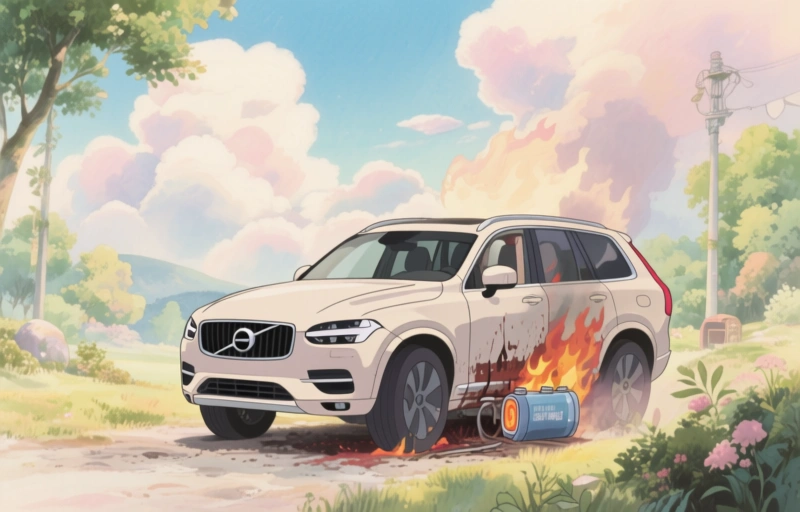
Volvo recalls 40,000 EX30 electric SUVs globally due to a battery management software issue that could pose a fire risk. The fix involves a software update, with no reported incidents in the U.S. yet.
So, Volvo just announced a major recall. We're talking about 40,000 of their electric SUVs globally, with a significant chunk right here in the United States. The reason? A potential battery fire risk that's got everyone's attention.
It's one of those moments that makes you pause. You buy an electric vehicle for its innovation and environmental benefits, and then you hear about a safety issue like this. It's a stark reminder that even the most advanced technology needs constant vigilance.
### What's Actually Happening with These Volvos?
The recall specifically affects the Volvo EX30 model. From what we understand, there's a software issue within the battery management system. It's not a physical defect with the battery cells themselves, which is somewhat reassuring. But software controls everything in modern EVs, and when it glitches, it can create dangerous conditions.
The system might incorrectly monitor the battery's temperature and voltage. Think of it like a faulty thermostat in your house that doesn't notice when things are getting too hot. In this case, "too hot" could potentially lead to thermal runaway—that technical term for when a battery cell overheats and can ignite.
### Why This Recall Matters for American Drivers
If you own one of these EX30s, you're probably wondering what to do next. First, don't panic. Volvo hasn't reported any fires or injuries related to this issue in the U.S. yet. This is a preventative recall, which is actually the responsible way manufacturers should handle potential problems.
Here's what you should know:
- The fix is a software update. In most cases, this can be done remotely or at a dealership.
- You'll receive official notification from Volvo if your vehicle is affected.
- Until the update is complete, it's wise to follow any specific guidance Volvo provides about charging and parking.
It's interesting to note how recalls have evolved. We've moved from mechanical fixes to digital patches. Your car's safety can now be improved with what's essentially an over-the-air update, much like your smartphone.
### The Bigger Picture on EV Safety
Let's step back for a moment. Battery safety is the single biggest concern holding some people back from adopting electric vehicles. Incidents like this recall, while handled properly, feed those anxieties. But here's the thing—gasoline cars get recalled too, often for fire risks related to fuel systems.
The difference is perception. A gasoline fire feels familiar, while a battery fire feels mysterious and potentially more dangerous. The reality is that all vehicle technologies carry risks, and what matters is how companies respond.
As one industry analyst recently noted, "Transparency in recalls builds more trust than perfection ever could." Volvo's quick action here, before any incidents occurred, actually demonstrates their commitment to safety.
### What This Means for the Future of Electric Vehicles
Every recall teaches the industry something. This Volvo situation will likely lead to:
- Better battery management software across all manufacturers
- More rigorous pre-delivery testing protocols
- Improved remote diagnostic capabilities
For consumers, it reinforces the importance of staying informed about your vehicle. Register your car with the manufacturer so you receive recall notices promptly. Check the NHTSA website periodically using your VIN. These simple steps take minutes but could prevent serious issues.
At the end of the day, recalls aren't failures—they're part of the ongoing process of making vehicles safer. The fact that Volvo identified this potential issue and is addressing it proactively should give owners confidence rather than concern. The electric revolution continues, with safety lessons learned along every mile of the journey.