Volvo Recalls 40,000 Electric SUVs Over Battery Fire Risk
Wouter Smit ·
Listen to this article~4 min
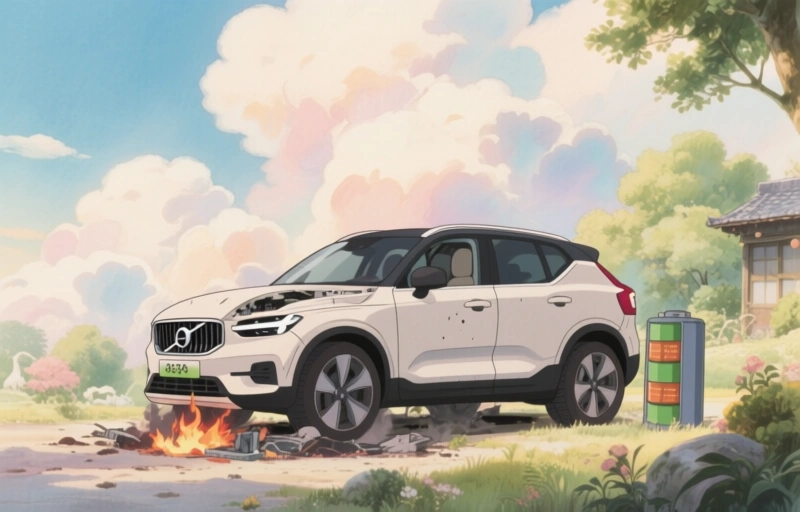
Volvo issues a major safety recall for 40,000 electric SUVs, including the EX30, due to a battery software glitch posing a fire risk. Owners will receive a software update.
Hey there. So, you've probably heard the news by now. Volvo is recalling a massive number of its electric SUVs. We're talking about 40,000 vehicles. The reason? A potential battery fire risk that's got everyone's attention.
It's a big deal, and if you're in the market for one of these cars, or you already own one, you need to know what's happening. Let's break it down, no jargon, just straight talk.
### What's Actually Happening with the Volvo Recall?
Volvo Cars has officially announced a safety recall for approximately 40,000 of its electric SUVs globally. The specific model at the center of this is the EX30, along with some other electric SUV models. The core issue is a software problem within the battery management system.
This isn't about a physical defect in the battery cells themselves, at least not from what's been shared. It's a glitch in the software that monitors and controls the battery. In rare cases, this glitch could lead to the battery overheating, which, as you can imagine, carries a fire risk.
Volvo has stated they are not aware of any accidents or injuries related to this issue. This is a proactive move, which is actually a good sign. They're catching it and addressing it before it becomes a bigger problem.

### What Should Owners Do Right Now?
If you own one of the affected vehicles, you'll be contacted directly by Volvo. They'll instruct you on the next steps. The fix, reportedly, is a software update. In most cases, this can likely be done remotely (over-the-air) or at a local dealership.
Here’s a quick list of actions to take:
- Don't panic. The risk is stated as low, and a fix is being deployed.
- Wait for official communication from Volvo. They will have the specific VINs (Vehicle Identification Numbers) of all affected cars.
- If you're concerned, you can proactively contact your local Volvo retailer or check the official NHTSA recall website using your VIN.
- Follow the instructions provided for the software update. It's crucial.
As one industry analyst recently noted, *"Proactive recalls in the EV space, especially for software, are becoming the new norm. It's a sign of a responsive safety culture, not necessarily a flawed product."*
### Why This Matters for the Electric Vehicle Industry
This recall is more than just a Volvo story. It's a spotlight moment for the entire electric vehicle transition. Battery safety is the number one concern for most new EV buyers, and frankly, for regulators too.
Every major recall like this gets scrutinized. It tests consumer confidence. But here's the thing – it also pushes the entire industry to do better. Software-defined vehicles are complex, and this shows how critical robust digital systems are alongside physical engineering.
For you, as a professional or an enthusiast, it underscores the importance of staying informed. Vehicle technology is evolving faster than ever, and understanding these risks and resolutions is part of the landscape now.
### Looking Ahead: Safety and Transparency
What's next? Volvo will roll out the update and monitor the situation. The key for them, and for all automakers, is transparency and clear communication. How they handle this logistically and how they support their customers will be watched closely.
For the rest of us, it's a reminder. Whether you're buying, selling, or just interested in cars, using a reliable vehicle history or recall check service isn't just a good idea—it's essential. You need to know the full story of a car, especially as systems get more interconnected.
So, keep an eye out. If you're affected, get that update. And if you're considering an EV, let this be a part of your research, not a reason to dismiss the technology outright. It's all about managed risk and informed decisions.