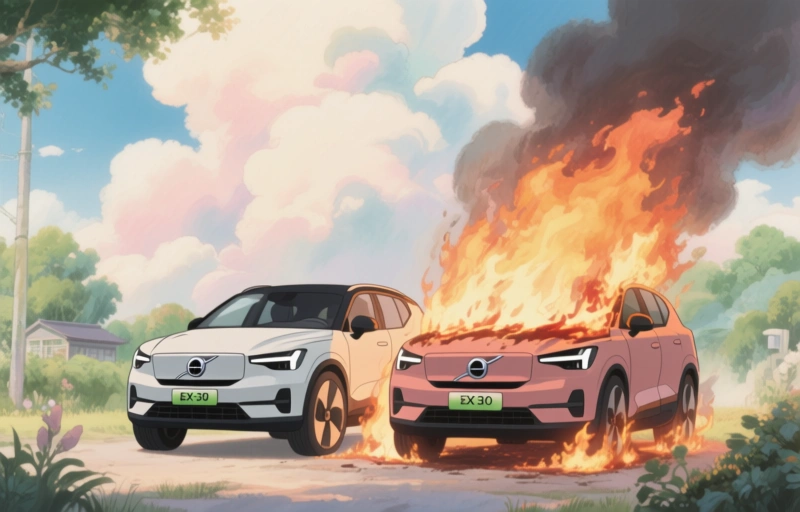
Two new Volvo EX30 fires escalate a battery recall crisis, with owners demanding refunds. Learn what happened, why it matters, and how to check your own car for safety recalls.
Volvo is known for safety, but recent events with the EX30 have shaken that reputation. Two new fires in the all-electric SUV have intensified an already serious battery recall, and now owners are demanding refunds. Let's break down what's happening, why it matters, and what you can do to stay informed.
### What's Going On with the Volvo EX30?
It started as a standard recall notice. Volvo identified a potential battery issue in some EX30 models and asked owners to bring their cars in for a fix. But then came the fires. Two separate incidents where the EX30 caught fire while parked or charging, and both vehicles were part of that recall group. That's a red flag no one can ignore.
Owners who thought a software update or a simple part replacement would solve the problem are now scared. They're worried the battery could ignite at any time, even after the so-called fix. That's why you're seeing groups of owners pushing for buybacks or full refunds. They don't want a patched-up car; they want a safe one.
### Why Battery Recalls Are Different
Battery recalls aren't like recalls for a faulty seatbelt or a cracked windshield. When a battery fails, it can fail catastrophically. Lithium-ion packs store a lot of energy, and if something goes wrong internally, you can get thermal runaway. That means intense heat, toxic fumes, and flames that are tough to put out.
For context, a typical gasoline car fire is bad enough. But a lithium-ion battery fire can reignite hours or even days later. Fire departments have had to develop new protocols just for EV fires. So when Volvo says they've fixed the issue, but new fires still happen, that's a major concern.

### What Owners Are Doing About It
Right now, owners aren't just waiting for Volvo to figure it out. They're taking action. Some have filed complaints with the National Highway Traffic Safety Administration (NHTSA). Others are contacting lawyers to explore lemon law claims. A few have even parked their EX30s outside, away from their homes, until they get a permanent solution.
> "I bought a Volvo because I thought it was the safest car on the road. Now I'm afraid to park it in my garage." - EX30 owner in California
That quote sums up the frustration. People paid a premium for safety and peace of mind, and now they feel betrayed. Refunds or buybacks are becoming the only acceptable outcome for many.
### How to Check if Your Car Has a Recall
If you own any vehicle, not just a Volvo, it's smart to stay on top of recalls. Here's what you can do:
- Visit the official NHTSA recall website and enter your VIN.
- Sign up for recall alerts from your car's manufacturer.
- Check your automaker's app or owner portal regularly.
- Don't ignore recall notices that come in the mail.
Recalls happen more often than you think. The key is catching them early before they become dangerous.
### What This Means for the EV Market
This Volvo situation is a wake-up call for the entire electric vehicle industry. Battery technology is improving, but it's not perfect yet. Automakers are under pressure to deliver long range and fast charging, and sometimes that means pushing the limits of battery chemistry.
When a major brand like Volvo has a battery fire problem, it makes everyone nervous. It could slow down EV adoption if buyers start questioning safety. That's why Volvo needs to get this right, not just for current owners but for the future of electric cars.
### Final Thoughts
If you own a Volvo EX30, don't ignore this recall. Even if you've had the fix done, stay alert. Watch for any signs of battery trouble, like unusual smells, heat, or swelling. And if you're considering buying an electric car, this is a good reminder to research the safety history of any model you're interested in.
For professionals in the car recall check space, this story highlights the growing importance of real-time recall alerts. Owners need fast, accurate information to protect themselves and their families. That's where you come in.