Volvo's Critical EV Recall: Park Outside Due to Fire Risk
William Miller ·
Listen to this article~4 min
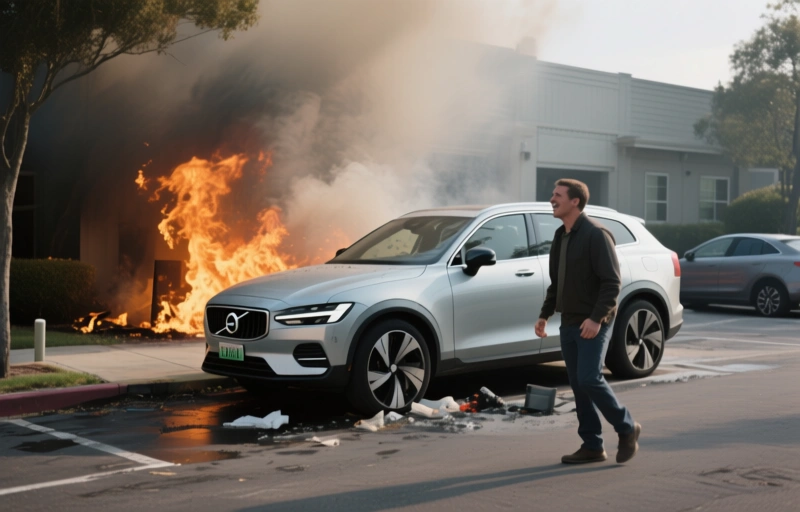
Volvo issues a critical 'park outside' recall for new EVs due to a fire risk. This analysis covers the implications for recall professionals, owner communication, and evolving EV safety protocols.
Hey there. If you work in automotive recalls, you've probably seen this alert come across your desk. Volvo just issued a pretty unusual recall for some of their newer electric vehicles. And the guidance is straightforward, but concerning: park them outside.
That's not the kind of instruction you see every day. It gets your attention immediately. It tells you the potential risk is serious enough that they don't want the car near structures or other vehicles. For professionals like you, that single directive speaks volumes about the underlying investigation and the immediate mitigation strategy.
### What We Know About the Recall So Far
The details are still emerging, as they often do in these early stages. The recall centers on a fire risk identified in certain new Volvo EV models. The company hasn't released the full technical bulletin publicly yet, but the 'park outside' order is a clear stop-drive or limited-use recommendation in disguise.
It suggests the issue could manifest even when the vehicle is powered off and stationary. That changes the risk profile significantly. You're not just managing an operational hazard, but a passive one. It affects how owners live with the car day-to-day, and it complicates logistics for dealerships holding inventory.
- The primary directive is to avoid indoor parking, including garages and carports.
- The recall appears to be proactive, issued before any widespread incidents.
- It highlights the intense scrutiny on EV battery safety and thermal management systems.
For your teams, this means coordinating inspections and potential component replacements. It also means clear, calm communication with concerned vehicle owners. They'll have questions, and lots of them.
### Navigating Communication With Vehicle Owners
This is where your expertise really matters. Owners will be worried. Getting a notice that says your new car shouldn't be parked in your garage is alarming. Your communication needs to balance urgency with reassurance.
Explain the precautionary nature. Volvo is erring on the side of extreme caution, which is a good thing. It shows a commitment to safety. Provide crystal-clear next steps: where to park temporarily, how to schedule the service, what the remedy will likely involve.
As one industry veteran put it, 'A recall handled well can build more trust than a car that never had a problem.' Your response defines the brand's relationship with that customer moving forward.
### The Bigger Picture for EV Safety Protocols
This recall isn't happening in a vacuum. Every major EV recall is a learning moment for the entire industry. It pushes engineering teams, regulatory bodies, and yes, recall professionals, to refine our processes.
We're all building the safety playbook for this new era of transportation in real-time. Each case study adds another layer to our collective understanding of failure modes, detection methods, and effective remediation.
For you, it's another data point. It reinforces the need for robust diagnostic tools specific to high-voltage systems. It underscores the importance of specialized technician training. And it reminds us that transparency and speed are non-negotiable when potential safety is on the line.
The key takeaway? Volvo's move, while disruptive, is the responsible one. It puts safety above all else. Your role in executing that vision on the ground is what makes the system work. It's a challenging part of the job, but a critical one. Stay sharp out there.