Volkswagen Recalls 44K ID.4 EVs Over Battery Fire Risk
Wouter Smit ·
Listen to this article~4 min
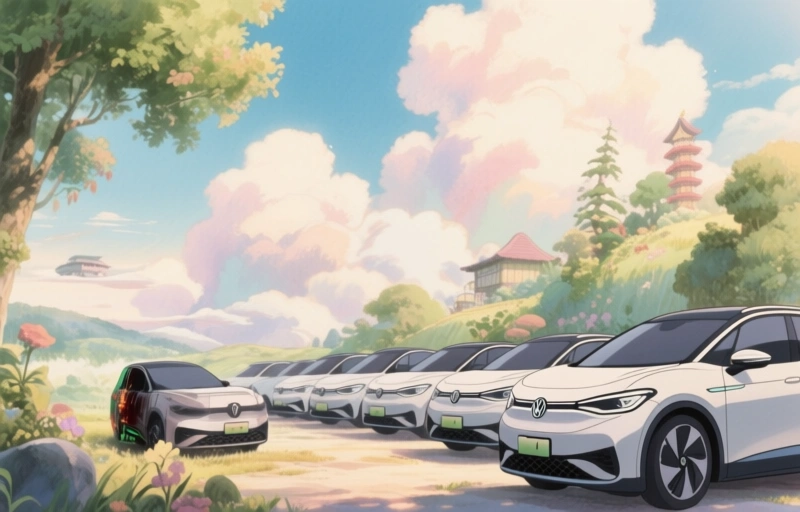
Volkswagen issues safety recall for approximately 44,000 ID.4 electric vehicles due to potential battery defect that could lead to fire risk. Affected model years include 2021-2023.
So Volkswagen just announced a major recall. We're talking about nearly 44,000 ID.4 electric vehicles here. The reason? Their high-voltage battery systems might have a defect that could lead to a thermal event—which is the technical way of saying these batteries could potentially catch fire.
That's not something you want to hear about your electric car, right? It's the kind of news that makes you pause and think about the rapid pace of EV adoption and the challenges that come with it.
### What's Actually Happening with These Batteries?
The recall centers on the battery cells within the ID.4's high-voltage battery pack. According to the safety report, a manufacturing defect could cause a short circuit inside the cell. When that happens, it can lead to excessive heat buildup.
And in the worst-case scenario, that heat can trigger a thermal runaway. That's the chain reaction where one overheating cell causes its neighbors to overheat, potentially leading to a fire. It's a serious safety concern that VW isn't taking lightly.
### Which Vehicles Are Affected?
This recall isn't for every ID.4 on the road. It specifically targets certain model years where the problematic battery cells were installed. If you're a professional handling these recalls, you'll need to check the VIN ranges.
- Model years 2021 through 2023
- Specific production periods within those years
- Vehicles equipped with particular battery modules
The total comes to about 43,800 vehicles in the United States alone. That's a significant number of cars that need attention.
### What Should Owners and Professionals Do?
For owners, the message is clear: don't panic, but do pay attention. Volkswagen will be sending out official recall notices by mail. Those notices will explain the next steps, which will likely involve bringing the vehicle to a dealership for inspection.
For recall professionals, this means preparing for a wave of vehicles coming through service bays. You'll need to:
- Verify vehicle eligibility using official VIN tools
- Follow the precise diagnostic procedures from VW
- Be ready to replace battery modules if necessary
- Document everything thoroughly for safety records
It's going to be a substantial logistical operation, no doubt about it.
### The Bigger Picture for EV Safety
This recall highlights something important about the electric vehicle industry. As one engineer put it, 'Battery safety isn't just about chemistry—it's about manufacturing consistency and quality control at massive scale.'
Every major automaker pushing into EVs faces these challenges. Battery technology is complex, and when you're producing hundreds of thousands of cells, even a tiny defect rate can affect thousands of vehicles.
What's encouraging is that the monitoring systems in these vehicles detected the potential issue. The onboard diagnostics flagged anomalies that triggered the investigation. That shows the safety systems are working as intended to catch problems before they become incidents.
### Looking Forward
Volkswagen has stated they're working on a repair procedure that will be available soon. In the meantime, they're advising owners to park their vehicles outdoors and away from structures until the inspection can be completed—standard precautionary advice for any potential fire risk.
For the automotive recall community, this is another case study in managing large-scale EV safety campaigns. The processes are evolving, the technology is new, and everyone's learning as they go.
The key takeaway? Transparency matters. Clear communication with owners matters. And having robust procedures in place before these recalls happen—that matters most of all.