Volkswagen Recalls 44,000 EVs Over Battery Fire Risk
William Miller ·
Listen to this article~3 min
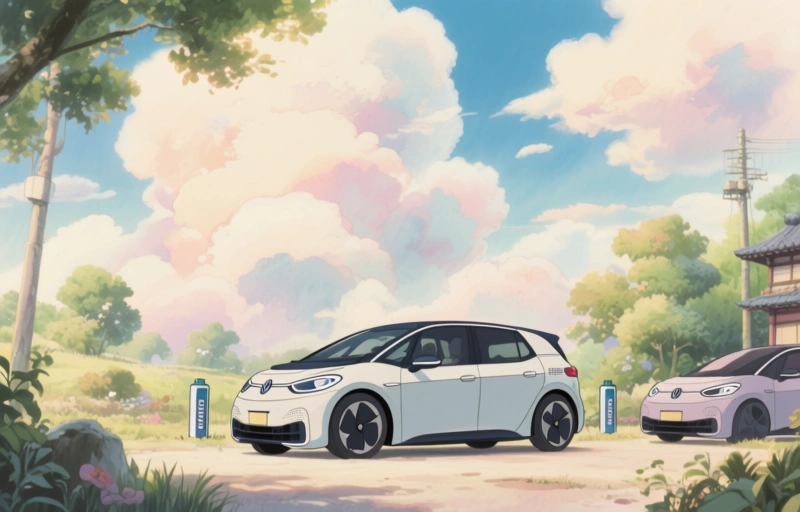
Volkswagen issues a safety recall for 44,000 electric vehicles due to a potential fire risk in the high-voltage battery system. Key details for automotive recall professionals.
Hey there. If you're in the recall management space, you've probably already seen the alert come across your desk. Volkswagen is initiating a recall for approximately 44,000 of its electric vehicles. The reason? A potential fire risk stemming from the high-voltage battery system.
It's one of those situations that reminds us why our jobs exist. A single component issue can ripple out, affecting tens of thousands of vehicles and the people who drive them. Let's break down what we know so far.
### Understanding the Core Issue
The recall centers on a specific fault within the high-voltage battery unit. While official technical bulletins are still rolling out, preliminary information suggests the risk involves a potential short circuit. This could, in certain conditions, lead to a thermal event—essentially, a battery fire.
It's not the first time we've seen battery-related recalls, and it certainly won't be the last. As the industry pushes rapidly into electrification, these are the growing pains we're tasked with managing. The complexity of these systems means diagnostics and remediation require specialized knowledge.
### The Models Affected
While the full VIN list is being finalized, the recall is expected to cover specific model years of Volkswagen's ID.4 electric SUV. This model is a cornerstone of their EV strategy, making this a significant action for the brand.
For professionals on the ground, this means preparing for:
- Customer communication protocols
- Dealer service department readiness
- Parts availability and logistics
- Technical service procedure development
### The Recall Process in Motion
Owners of affected vehicles will be notified by mail, as per standard procedure. Volkswagen dealers will inspect and, if necessary, replace the high-voltage battery unit at no cost. The key for us is ensuring that process is seamless.
There's a quote from an industry veteran that always comes to mind in these situations: *'A recall isn't a failure of the product; it's a test of the company's integrity.'* How VW handles the logistics, communication, and repair execution will be closely watched.
### What This Means for the Industry
This recall is more than just a single manufacturer's issue. It's a data point in the larger narrative of EV safety and reliability. Every action like this informs future design, manufacturing, and quality control processes across all automakers.
For recall professionals, it underscores the need for:
- Continuous training on high-voltage systems
- Updated safety protocols for handling EVs
- Robust tracking systems for new component failures
We're in a unique moment where traditional recall expertise must merge with new EV technology knowledge. It's challenging, but it's also what makes the work so critical. Keeping drivers safe is the constant, even as the machinery beneath them evolves.
The coming weeks will reveal more details on the root cause and the full scope of the remediation. For now, it's a reminder to stay sharp, stay informed, and keep those communication lines open with your networks. We're all navigating this shift together.