Volkswagen Recalls 40,000 Vehicles Due to Fire Risk
William Miller ·
Listen to this article~5 min
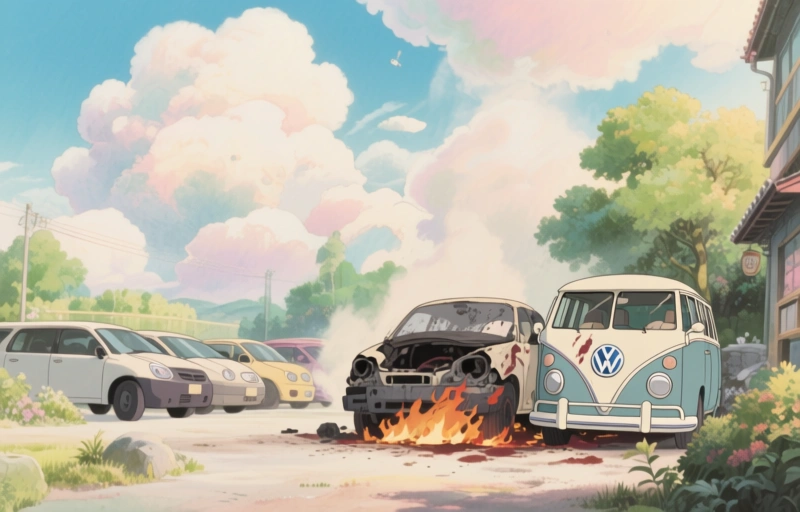
Volkswagen has issued a safety recall for approximately 40,000 vehicles in the U.S. due to a potential fire risk. The recall affects specific Taos, Golf, and Jetta models from recent years. Automotive recall professionals should prepare for inspection and repair procedures.
If you work in automotive recalls, you've probably seen the alert come across your desk. Volkswagen has issued a recall for approximately 40,000 vehicles in the United States. The reason? A potential fire risk that has the company and safety regulators urging immediate attention.
It's one of those situations where a seemingly small component can create significant danger. We're talking about a defect that could lead to an engine compartment fire, even when the vehicle is parked and turned off. That's the kind of risk that keeps safety professionals up at night.
### What's Causing the Fire Risk?
The recall centers on a specific part in the engine bay. While Volkswagen hasn't released exhaustive technical details in their initial bulletin, the concern involves a component that may overheat under certain conditions. This overheating could potentially ignite nearby materials, leading to a fire.
What makes this particularly concerning for recall professionals is the "parked vehicle" aspect. Owners might assume their car is safe when it's not running, but this defect doesn't care about ignition status. It's an always-present risk once the conditions align.
### Which Models Are Affected?
The recall impacts specific Volkswagen models from recent model years. If you're handling communications or logistics for this recall, you'll want to focus on:
- 2021-2023 Volkswagen Taos SUVs
- Certain 2022 Volkswagen Golf GTI and Golf R models
- Specific 2022 Volkswagen Jetta GLI vehicles
The recall isn't blanket across all vehicles of these models—it's tied to specific production periods and component batches. That's where your VIN lookup tools become absolutely essential for accurate identification.
### The Professional's Perspective on This Recall
From where I sit, analyzing recalls day in and day out, this Volkswagen situation highlights several important patterns. First, it's another example of how modern vehicles, with their complex electrical systems and tightly packed engine compartments, create new failure modes we need to anticipate.
Second, the communication challenge is real. How do you convey urgency without causing panic? How do you get owners to take action when they might not notice any symptoms until it's too late?
One industry veteran I respect put it well: "Our job isn't just about identifying defects—it's about creating pathways for resolution that actually work for real people."
### What Happens Next for Recall Professionals?
If you're managing this recall on the dealership or corporate side, your checklist probably looks something like this:
- Verify your inventory against the official VIN lists
- Prepare service bays for the inspection and repair procedure
- Train technicians on the specific repair protocol
- Develop clear customer communication templates
- Establish a priority system for high-risk vehicles
The repair, from what we understand, involves inspecting the problematic component and either securing it properly or replacing it entirely. The fix should take under an hour for most vehicles, but logistics will be the real challenge with 40,000 units to address.
### Why This Recall Matters Beyond the Numbers
Sure, 40,000 vehicles might not be the largest recall we've seen this year. But every fire risk recall deserves serious attention because the consequences can be so severe. We're not talking about a malfunctioning radio or a sticky door handle—we're talking about something that could destroy property and endanger lives.
For professionals in our field, recalls like this reinforce why our work matters. We're the bridge between engineering problems and public safety. We translate technical bulletins into action plans. We turn corporate responsibility into real-world protection.
The Volkswagen fire risk recall will work its way through the system over the coming months. Some owners will respond immediately. Others will need multiple notifications. Some vehicles might never get fixed. That's the reality of recall completion rates.
But for those of us in the business, our job remains the same: identify the affected vehicles, communicate the risk clearly, and make the repair process as seamless as possible. Because at the end of the day, it's not about numbers on a spreadsheet—it's about making sure people can trust that their vehicle won't put them in danger.