V-8 Formula 1 Cars Are Coming, FIA President Confirms
Wouter Smit ·
Listen to this article~4 min
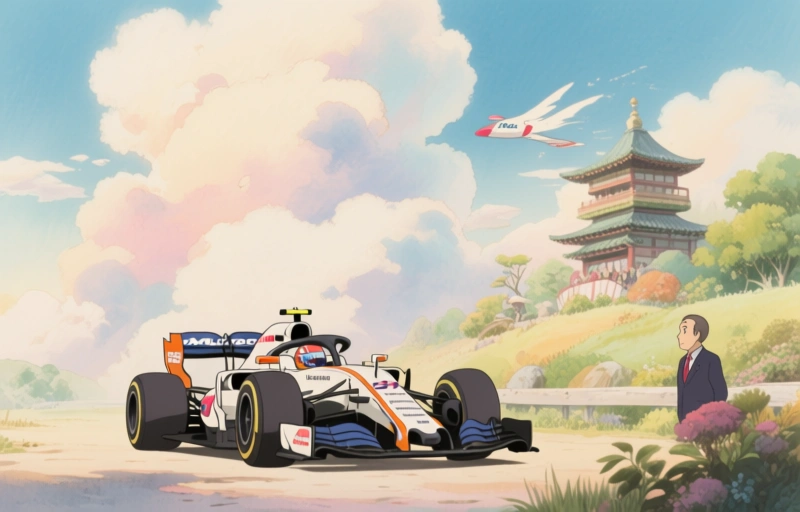
FIA president confirms V-8 engines are coming back to Formula 1, and hints McLaren could become an engine supplier. Here's what it means for fans and teams.
The roar of V-8 engines might soon return to Formula 1. In a recent interview with Car and Driver, the president of the FIA (Fédération Internationale de l'Automobile) dropped a bombshell: bringing back V-8s isn't a question of if, but when. For fans who miss the raw, screaming sound of those engines, this is huge news.
But it's not just about nostalgia. The shift could change how teams approach racing, how cars perform, and even who supplies the engines. Let's break down what this means for the sport and why it matters.
### The V-8 Comeback: What's Driving It?
Formula 1 has been using hybrid V-6 turbo engines since 2014. They're incredibly efficient, but they've also been criticized for being too quiet and complex. The FIA president says the push for V-8s comes from a desire to balance sustainability with excitement.
Here's the key: a V-8 engine is simpler, lighter, and produces a more visceral sound. Think of it like swapping a high-tech electric car for a classic muscle car. Both get you there, but one feels more alive. The FIA wants F1 to feel alive again, especially for younger fans who crave authenticity.
- **Simpler technology**: Fewer hybrid components mean lower costs for teams.
- **Louder, more engaging**: V-8s produce a signature scream that fans love.
- **Potential for sustainable fuel**: The plan is to use carbon-neutral synthetic fuels, keeping the V-8 green.
The president made it clear: "We're working on the logistics. It's a matter of when, not if." That's a strong signal that change is coming, possibly within the next few years.
### McLaren as an Engine Supplier: A Game Changer?
The FIA president also hinted at something unexpected: McLaren could become an independent engine supplier. Right now, most teams use engines from Mercedes, Ferrari, or Red Bull Powertrains. If McLaren enters the mix, it could shake up the competition.
Think about it. McLaren is already a top team, but building engines from scratch is a massive investment. The FIA is considering ways to make it easier for new suppliers to join, like standardizing some parts or offering financial incentives. This could lead to more diversity on the grid and better racing.
> "McLaren has the engineering talent and the passion. If we can lower the barriers, they could be a major player in engine supply," the president said.
This isn't just about McLaren, though. It opens the door for other manufacturers to jump in. More suppliers mean more competition, which often leads to better performance and lower costs for everyone.
### What This Means for Fans and Teams
For fans, a V-8 return means louder weekends at the track. The current cars sound like vacuum cleaners compared to the old V-10s and V-8s. Expect more excitement and a return to the sport's roots.
For teams, the change could level the playing field. Smaller teams might find it easier to afford engines, especially if McLaren offers competitive pricing. And with sustainable fuel, F1 can still claim to be eco-friendly without sacrificing the thrill.
The timeline is still fuzzy, but the FIA is moving fast. Some experts predict we could see V-8 prototypes by 2026, with full adoption by 2028. That's just around the corner in F1 terms.
### Final Thoughts
The return of V-8 engines isn't just a technical change; it's a cultural shift for Formula 1. It's about embracing the past while looking to the future. And if McLaren becomes an engine supplier, we might see a more diverse, exciting grid than ever before.
So, keep your ears open. The sound of F1 might soon be a lot louder—and a lot more thrilling.