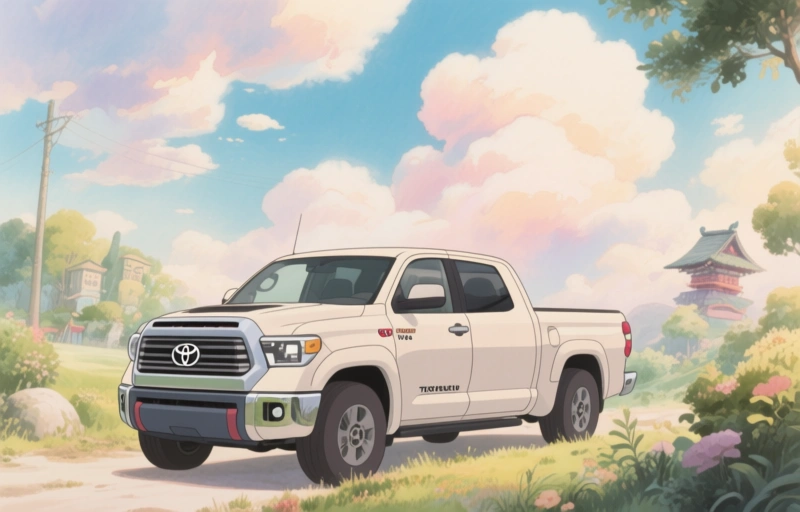
Toyota's twin-turbo Tundra V6 recall is expanding. Learn what's happening, why it matters, and how to check your vehicle for safety issues.
If you own a Toyota Tundra with the twin-turbo V6, you've probably heard the news by now. The problem that started as a minor issue has grown into something much bigger. And honestly, it's causing a lot of headaches for owners across the United States.
This isn't just another recall. This is about safety, reliability, and the trust you put in your vehicle. So let's break down what's happening, why it matters, and what you should do next.
### What's Going On With the Tundra V6?
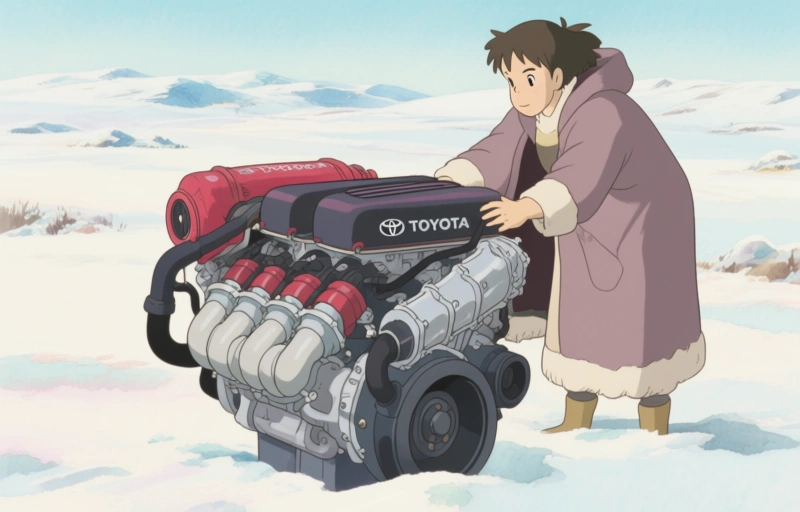
Toyota's twin-turbo V6 engine was supposed to be a game-changer. It promised more power, better fuel economy, and a smoother ride. But instead, it's been plagued with problems. The latest recall affects thousands of trucks, and the scope keeps expanding.
Here's the short version: The engine can lose power while you're driving. That's dangerous, especially on highways or in heavy traffic. Toyota is working on a fix, but it's taking time. And if you're waiting for parts, you know how frustrating that can be.
### Why This Matters for Tundra Owners
If you drive a 2022 or 2023 Tundra, you're likely affected. The recall covers specific VIN ranges, so it's crucial to check your vehicle's status. Don't assume you're safe just because you haven't had issues yet.
- **Safety first**: A sudden loss of power can lead to accidents. Don't ignore the warning signs.
- **Resale value**: Recalls can hurt your truck's value. Getting it fixed promptly helps.
- **Peace of mind**: Once the repair is done, you'll drive with confidence again.
### How to Check Your Vehicle
Checking for recalls is easier than you think. You don't need to be a mechanic or visit a dealership. Just grab your VIN number and head to the National Highway Traffic Safety Administration (NHTSA) website. Their free tool shows all open recalls for your vehicle.
Alternatively, you can use trusted third-party services. They often provide additional details like repair timelines and customer reviews. Just make sure the service is reputable and up-to-date.
### What Toyota Is Doing About It
Toyota has acknowledged the problem and is working on a solution. They're replacing faulty components and updating software. But the process is slow, and some owners have waited months for parts.
> "We're committed to making things right," said a Toyota spokesperson. "Our priority is customer safety and satisfaction."
That's reassuring, but actions speak louder than words. If you're stuck waiting, don't hesitate to contact Toyota's customer service or your local dealer. They might offer loaner vehicles or other accommodations.
### What You Can Do Right Now
Don't wait for the problem to get worse. Here's your action plan:
1. **Check your VIN** on the NHTSA website or a trusted recall service.
2. **Contact your dealer** to schedule the repair as soon as parts are available.
3. **Stay informed** by monitoring recall updates. Sign up for alerts if possible.
4. **Drive cautiously** until the fix is applied. Avoid long trips or heavy loads if you can.
### Final Thoughts
Recalls are never fun, but they're part of owning a vehicle. The key is to act quickly and stay proactive. Toyota has a strong reputation for reliability, and this issue doesn't change that. But it does mean you need to be vigilant.
Remember, your safety is worth more than any inconvenience. So take the time to check your truck and get it fixed. You'll be glad you did.