Toyota Recalls 74,000 Corolla Cross Hybrids Over Quiet Alert
Wouter Smit ·
Listen to this article~4 min
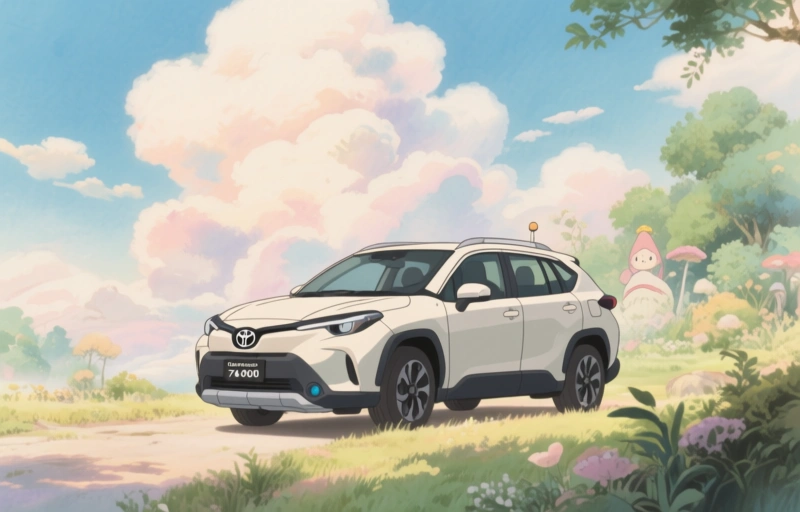
Toyota recalls 74,000 Corolla Cross Hybrid vehicles due to an insufficiently loud pedestrian alert sound, highlighting critical safety checks for automotive professionals.
So, Toyota's got a bit of a noise problem. Or rather, a lack-of-noise problem. They're recalling about 74,000 Corolla Cross Hybrid vehicles because the pedestrian alert sound isn't loud enough. It's one of those recalls that makes you think, "Wait, that's a thing?" But when you dig in, it makes perfect sense.
These hybrid and electric vehicles are so quiet at low speeds that pedestrians, especially folks with visual impairments, might not hear them coming. The alert sound is supposed to be a safety net. If it's not loud enough, that net's got a hole in it.
### Why This Recall Matters
This isn't just about a minor technical glitch. It's about real-world safety. Imagine crossing a parking lot or a quiet street. You're relying on your ears as much as your eyes. A silent or too-quiet vehicle removes one of those key senses from the equation.
For professionals in the automotive safety and recall space, this highlights a critical trend. As the fleet electrifies, we're moving from mechanical failures to software and system-integration issues. The fix here likely isn't a wrench turning a bolt. It's a technician with a laptop updating a module.
### How to Check for Recalls on Any Vehicle
This Toyota situation is a perfect reminder. Recalls happen all the time, and staying informed is crucial. Here's how you can check if a vehicle you own, manage, or are considering buying has an open recall.
- **Use the NHTSA Website:** The National Highway Traffic Safety Administration's VIN lookup tool is the gold standard. It's free, official, and updated regularly.
- **Check the Manufacturer's Site:** Most automakers, including Toyota, have recall lookup pages on their official websites.
- **Sign Up for Notifications:** You can often register your vehicle with the manufacturer to get direct alerts about recalls.
"A recall is not a mark of failure, but a commitment to getting it right," as one industry veteran once told me. It's a proactive step, not a reactive one.
### What This Means for Fleet and Safety Managers
If you're responsible for a fleet, this is your daily bread. A recall like this requires action. You need to identify which vehicles in your fleet are affected, schedule the repairs, and ensure compliance. It's a logistical puzzle with safety as the prize.
The cost of ignoring a recall can be steep. Beyond the obvious safety risk, there's potential liability. Using a vehicle with a known, unaddressed safety defect is a major risk, both on the road and in the courtroom.
### The Bigger Picture on Recall Checks
This Toyota recall is a single data point in a much larger story. Millions of vehicles are recalled every year in the United States. From airbags to brakes to software, the reasons are vast. That's why having a reliable, systematic process for recall checks isn't just good practice—it's essential.
For professionals, it's about building layers of verification. Don't rely on a single source. Cross-reference. Set up automated alerts where possible. Make recall checks a standard part of every vehicle's lifecycle management, from acquisition to disposal.
Staying ahead of recalls protects people, protects assets, and protects your organization's reputation. In the end, that quiet alert sound in the Corolla Cross is a loud reminder that vigilance is non-negotiable in our line of work.