Toyota Recalls 550,000 Highlanders: Seat Safety Alert
Wouter Smit ·
Listen to this article~5 min
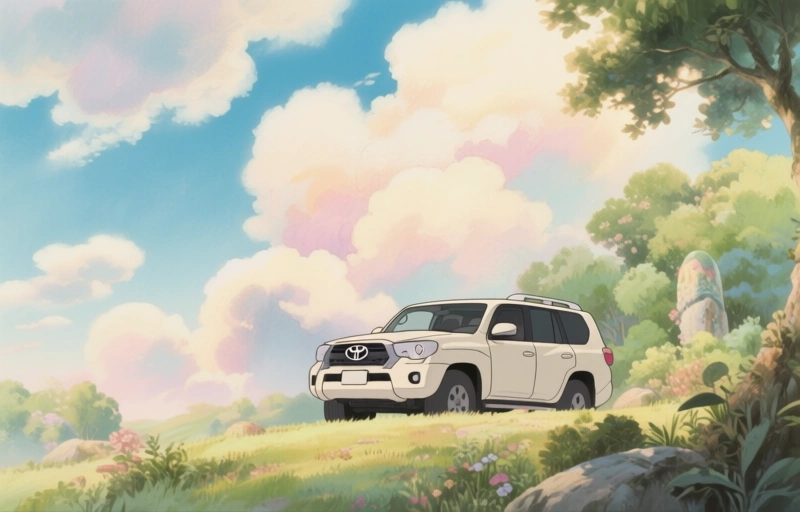
Toyota recalls approximately 550,000 Highlander SUVs due to potential second-row seat frame welding issues that may affect crash safety. Owners of 2020-2023 models should check their VIN and schedule free repairs.
If you own a Toyota Highlander, you'll want to pay close attention to this. Toyota just announced a massive recall affecting about 550,000 Highlander SUVs. The issue? A potential problem with the second-row seat back frames that might not lock properly.
That's not something you want to gamble with when you're carrying passengers. A seat that doesn't lock securely could increase the risk of injury during a crash. It's one of those things you don't think about until it's too late.
### What's Actually Wrong With These Seats?
Let's break this down simply. The recall covers certain 2020 through 2023 Toyota Highlander and Highlander Hybrid vehicles. The problem centers on the second-row outboard seat frames.
During manufacturing, these frames might have been produced with potentially insufficient welds. Think of it like a chain with a weak link. Over time, with regular use—people getting in and out, adjusting seats, normal wear and tear—those welds could potentially fail.
If that happens during a collision, the seat back might not stay in its locked position as designed. That compromises the entire safety system for whoever's sitting there.
### What Toyota Highlander Owners Should Do Right Now
First, don't panic. Recalls are actually a sign that the system is working—companies identify potential issues and fix them before they become widespread problems.
Here's your action plan:
- Check if your vehicle is included using Toyota's recall lookup tool
- You'll need your Vehicle Identification Number (VIN)
- If affected, Toyota will notify you by first-class mail
- The fix involves inspection and potential replacement of seat frames
- Repairs will be completely free to owners
What's interesting is how Toyota discovered this. It wasn't from customer complaints or accidents, but through their own internal quality checks. They found some seats during production that didn't meet their welding standards and decided to investigate further.
### Why This Recall Matters Beyond Toyota
This situation highlights something important for all car owners. Vehicle safety systems are interconnected. A seat isn't just a place to sit—it's part of the crash protection structure.
When one component like this has potential issues, it affects:
- The effectiveness of seat belts
- Airbag deployment timing and positioning
- Overall occupant protection in various crash scenarios
It's like having a football helmet with a weak chin strap. The helmet might be great, but if the strap fails, the whole system is compromised.
### How to Stay Informed About Vehicle Recalls
Many people only find out about recalls when they get that letter in the mail. But there are proactive ways to stay informed:
- Register your vehicle with the manufacturer
- Check the NHTSA website regularly
- Use third-party recall check services
- Pay attention to news about your vehicle model
Remember, recalls don't expire. Even if you buy a used Highlander years from now, this repair would still be available if it hasn't been done.
### The Bigger Picture on Automotive Safety
Here's a thought that might surprise you. The automotive industry actually has one of the most responsive safety systems in consumer products. When a potential issue is identified, manufacturers have legal obligations to notify owners and fix the problem at no cost.
This Toyota recall affects a specific range of vehicles, but the process is similar across all brands. It's a reminder that even with rigorous manufacturing standards, issues can slip through. What matters is how companies respond.
If you're driving one of these Highlanders, your next step is simple. Check your VIN, wait for your notification, and schedule that repair. It's one of those maintenance items that's actually about peace of mind rather than just vehicle function.
And if you're in the market for a used Highlander from these model years? Make sure to ask if this recall has been addressed. It's becoming a standard question for used car buyers, right alongside service history and accident reports.
At the end of the day, this is about what really matters—making sure everyone gets where they're going safely. Even the most reliable brands occasionally need to make corrections, and that's actually a good thing for everyone on the road.