Toyota Recalls 140,000+ Lexus Models: What You Need to Know
Wouter Smit ·
Listen to this article~4 min
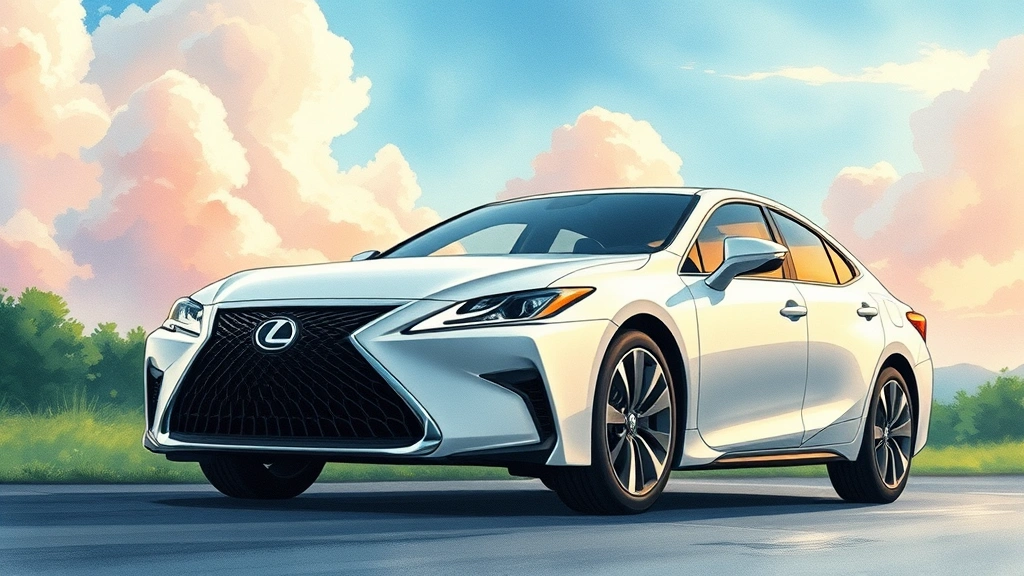
Toyota's recall of over 140,000 Lexus vehicles has owners concerned. Learn which models are affected, how to check your VIN, and what steps to take for free repairs to ensure your luxury vehicle remains safe on the road.
So, Toyota just announced a massive recall affecting over 140,000 Lexus vehicles. That's a lot of luxury cars with potential safety issues. If you own a Lexus, you're probably wondering if your vehicle is on that list and what you should do next.
Let's break this down. Recalls happen more often than you might think, and they're not necessarily a sign of poor quality. Sometimes it's a specific part that doesn't meet safety standards, or there might be a software glitch that needs fixing. The important thing is to stay informed and take action when needed.
### Which Lexus Models Are Affected?
While the exact models haven't been detailed in the initial announcement, recalls typically target specific model years and configurations. We're talking about recent vehicles here, likely from the past few years. If you drive a newer Lexus, you'll want to pay close attention to official communications from Toyota.
Here's what you should do right now:
- Check your vehicle identification number (VIN) on the National Highway Traffic Safety Administration website
- Contact your local Lexus dealership for confirmation
- Don't ignore recall notices if you receive one in the mail
- Schedule any necessary repairs as soon as possible
### Why Vehicle Recalls Matter
You might think, "It's just a small issue, why bother?" But here's the thing - recalls address potential safety hazards that could put you, your passengers, or other drivers at risk. We're talking about things like airbag malfunctions, brake system problems, or electrical issues that could lead to fires.
"Safety should never be compromised, especially in vehicles we trust to protect our families," says one automotive safety expert. That's why taking recalls seriously isn't just about following rules - it's about protecting what matters most.
### How to Check for Recalls on Any Vehicle
Whether you own a Lexus or any other brand, staying on top of recalls is easier than you might think. The process is actually pretty straightforward:
First, locate your VIN. You'll find it on the driver's side dashboard (visible through the windshield) or on your registration documents. Then visit the NHTSA website and enter that number. The system will show you any open recalls for your specific vehicle.
You can also use third-party services that track recalls across multiple manufacturers. Some even offer email alerts when new recalls are announced for your vehicle make and model.
### What Happens During a Recall Repair
If your vehicle is affected, here's what typically happens. You'll receive an official notice from the manufacturer detailing the issue and next steps. Then you schedule an appointment with an authorized dealership. The repair is almost always free of charge - you shouldn't pay a dime for recall-related fixes.
The process usually takes a few hours, though some complex repairs might require leaving your vehicle overnight. Dealerships often provide loaner cars for longer repairs, especially for luxury brands like Lexus.
### Beyond the Current Recall
This Toyota-Lexus situation serves as a good reminder for all vehicle owners. Regular maintenance checks are important, but they don't catch recall-specific issues. That's why proactive checking matters.
Consider setting a quarterly reminder to check for recalls. It takes just a few minutes and could prevent serious problems down the road. Think of it like checking your smoke detector batteries - quick, simple, and potentially life-saving.
For Lexus owners affected by this recall, the key is not to panic but to act. Contact your dealership, verify your VIN status, and schedule that repair. Your luxury vehicle deserves proper care, and more importantly, you deserve peace of mind on the road.
Remember, recalls are the automotive industry's way of correcting issues before they become problems. They show that manufacturers are paying attention and taking responsibility. Your job is simply to respond when your vehicle needs attention.