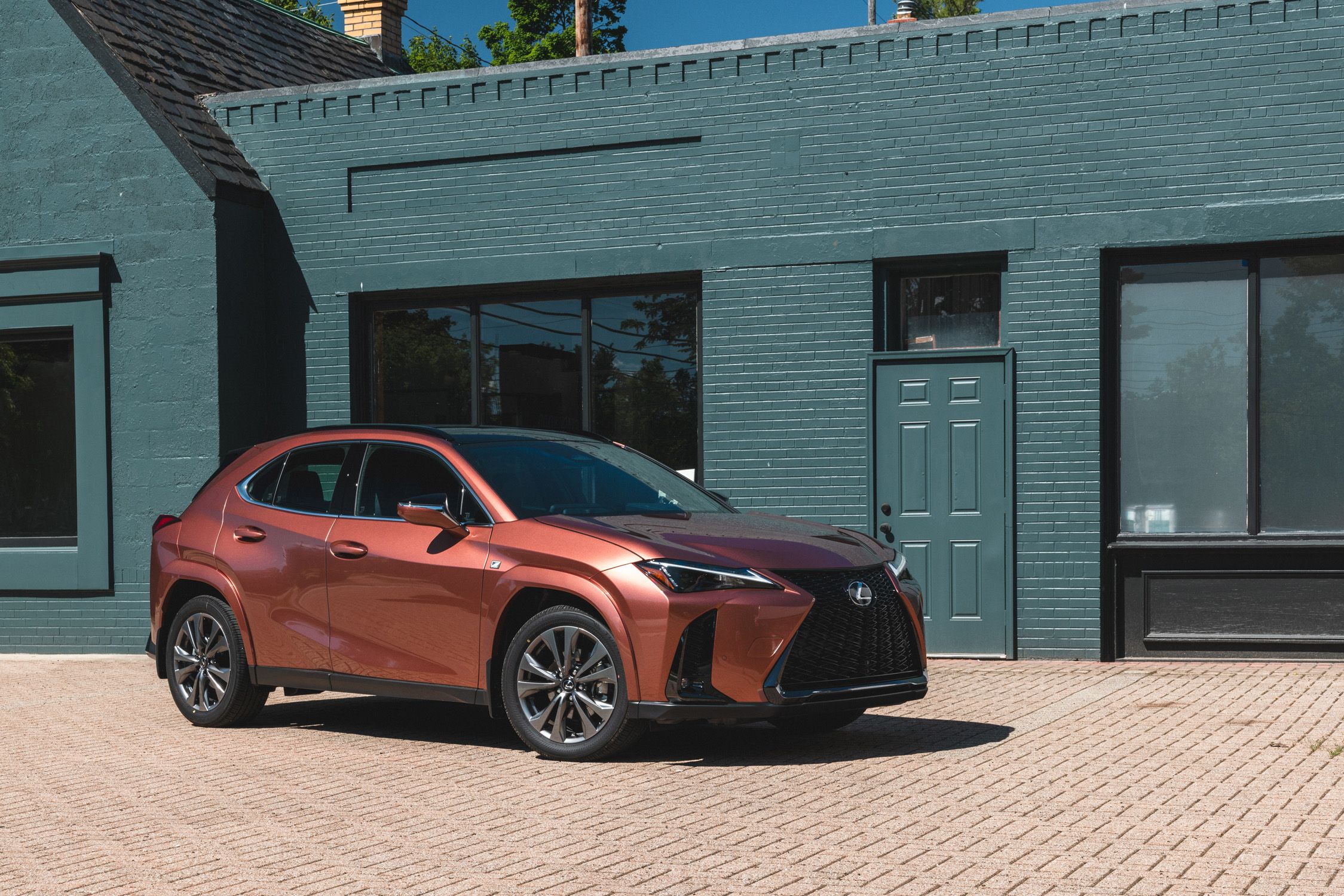
Toyota and Nissan suspended production in Japan after a major earthquake, which could tighten new car supply and raise prices for US buyers. Here's what to watch.
When the ground started shaking in southwestern Japan, it didn't just rattle the region—it sent a tremor straight through the global auto industry. Toyota and Nissan, two of the biggest names in car manufacturing, were forced to suspend production at several plants in the area. And while that might sound like a distant problem, it could actually hit closer to home than you think, especially if you're in the market for a new vehicle in the United States.
The earthquake, which struck near the island of Kyushu, caused significant damage to facilities and supply chains that these automakers rely on every single day. For a country that builds millions of cars each year, even a short pause in production can create a ripple effect that takes months to smooth out. Let's break down what's happening, why it matters for American drivers, and how you can stay ahead of the curve if you're shopping for a car right now.
### The Immediate Impact on Production
Toyota and Nissan didn't just shut down for a coffee break. The suspension was necessary because the quake damaged critical equipment and disrupted the delivery of essential parts. In some cases, it's not just the final assembly lines that stopped—suppliers that make everything from microchips to seat frames also had to halt operations. That's a logistical nightmare, because modern car manufacturing runs on a just-in-time system where parts arrive exactly when they're needed. There's very little buffer stock sitting around.
For the United States, this is a big deal because a lot of the vehicles sold here are either built in Japan or rely heavily on Japanese-made components. Models like the Toyota RAV4, Nissan Rogue, and various Lexus and Infiniti offerings have deep ties to these factories. If production stays down for weeks, you could see thinner inventory on dealer lots, fewer discounts, and longer wait times for custom orders.
### How This Affects Car Prices and Availability
Let's be honest—car prices have been a rollercoaster over the last few years. After the pandemic-induced chip shortage, things started to stabilize, but any major disruption can send prices creeping back up. When supply drops and demand stays steady, dealerships have less incentive to negotiate. You might find that the $500 off you were hoping for just isn't on the table anymore.
Here's what to keep an eye on:
- **Inventory levels:** Check your local dealer's website to see how many units of your target model they have in stock. If the numbers start dropping fast, that's a sign of trouble.
- **Incentives and rebates:** Automakers often offer cash-back deals to move inventory. If production halts, those offers might disappear quickly.
- **Used car prices:** When new cars are scarce, buyers turn to the used market, which pushes prices up there too. A car that was $22,000 last month could suddenly be $24,000.
### What Should You Do If You're Shopping for a Car?
If you were planning to buy a new Toyota or Nissan in the next few months, you don't need to panic, but you do need to be smart. The worst thing you can do is wait until the last minute and then settle for whatever's left on the lot. Instead, take a proactive approach.
First, get pre-approved for financing. That way, you're ready to move quickly when you find the right deal. Second, expand your search radius. Don't just look at dealers in your immediate area—checking within a 200-mile radius can uncover cars that others have overlooked. Third, consider placing a factory order if you have your heart set on a specific trim or color. It might take longer, but it locks in your price and guarantees you get exactly what you want.
### The Role of Recall Checks in This Situation
Here's something many people overlook: when production is disrupted, it's also a good time to double-check the safety history of the vehicle you're considering. Whether you're buying new or used, you want to make sure the car doesn't have any outstanding recalls. An earthquake can damage not just the assembly line but also the records and systems that track quality control. It's a small risk, but one that's easy to mitigate.
Use a reliable car recall check service to look up the vehicle identification number (VIN) of any car you're serious about. It takes less than a minute and can save you from a headache down the road. If a recall exists, you'll want to know whether the fix has been applied or if you'll need to schedule a service appointment.
### Bottom Line: Stay Flexible and Informed
The earthquake in Japan is a reminder that the global supply chain is more fragile than it appears. For American consumers, the key takeaway is to stay flexible. If the exact car you wanted is suddenly unavailable, be open to similar alternatives from other brands. Competition is fierce, and there are plenty of excellent vehicles that don't come from these two manufacturers.
Also, keep an eye on the news. Toyota and Nissan are working hard to get production back up, and they'll likely announce timelines in the coming weeks. If the recovery is faster than expected, you might not see any major changes at all. But if it drags on, being prepared will put you in a much stronger position to get a fair deal.
In the end, a little bit of planning goes a long way. Whether you're a first-time buyer or a seasoned car enthusiast, understanding how events around the world affect your local dealership can save you both time and money. So before you sign on the dotted line, do your homework—check those recalls, compare prices, and don't be afraid to walk away if the deal doesn't feel right. Your future self will thank you.