Rolls-Royce Issues Urgent Safety Warning for Rear Seats
Wouter Smit ·
Listen to this article~6 min
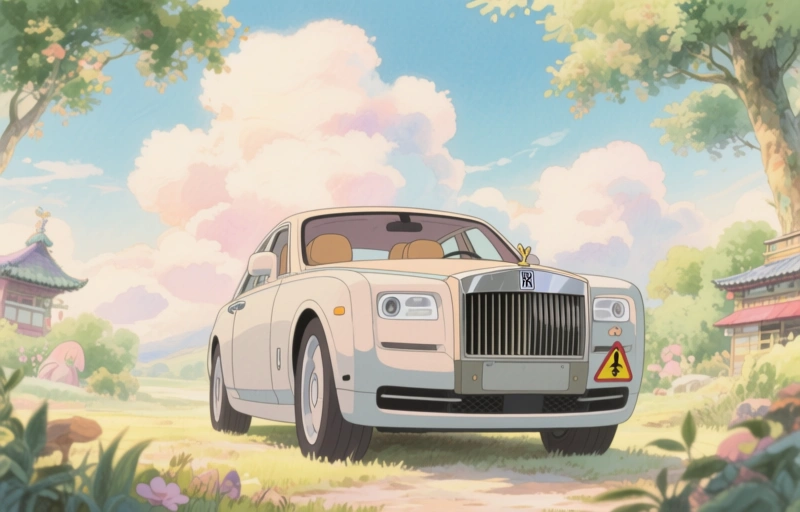
Rolls-Royce has issued an urgent safety directive telling owners to stop using rear seats and trunks until May. This serious recall highlights why regular vehicle safety checks matter for all drivers, regardless of vehicle price or brand reputation.
You know that feeling when you get a recall notice in the mail? That little pit in your stomach? Well, imagine getting one from Rolls-Royce. The luxury automaker recently told owners of certain models to stop using their rear seats and trunks entirely. That's not a minor inconvenience—it's a major disruption for a vehicle that's all about comfort and space.
This isn't your typical "bring it in when you can" recall. This is an immediate "don't use these parts of your car" directive. And it's in effect until at least May while the company works on a fix. For owners who paid hundreds of thousands of dollars for ultimate luxury, suddenly having a two-seater instead of a four-seater is, well, less than ideal.
### What's Actually Happening Here?
Let's break this down. Rolls-Royce discovered a potential safety issue with the rear seat and trunk area in some of their vehicles. They haven't released all the technical details publicly—luxury brands tend to be discreet about these things—but the seriousness is clear from the action they're taking.
When a manufacturer tells you not to use entire sections of your vehicle, they've identified something that could compromise safety during normal operation. We're not talking about a software glitch in the infotainment system. This is structural or mechanical enough that continued use could be dangerous.
### Why This Recall Check Matters for Professionals
Here's where it gets interesting for those of us in the automotive industry. This Rolls-Royce situation highlights several important points about modern vehicle safety:
- **Even luxury isn't immune**: No brand, regardless of price point or reputation, is perfect
- **Transparency varies**: Different manufacturers communicate recalls with different levels of detail
- **Timing is everything**: Some recalls get immediate action, others get phased repairs
- **Owner compliance isn't guaranteed**: Just because there's a recall doesn't mean every vehicle gets fixed
I remember working with a client last year who bought a used luxury SUV. They assumed that because it was a premium brand, all recall work had been done. We ran a check and found three outstanding safety recalls that the previous owner had ignored. The dealership had never mentioned them during the sale.
### How Recall Services Actually Work
Most people think recalls are simple—the manufacturer sends a letter, you take your car in, they fix it. But the reality is more complex. There are different types of recalls:
- **Safety recalls**: These address issues that could cause injury or death
- **Compliance recalls**: These fix problems with emissions or safety standards
- **Service campaigns**: These address non-safety related improvements
The Rolls-Royce situation appears to be a safety recall, given the immediate "stop use" directive. But here's something most owners don't realize: recall information doesn't always transfer with vehicle ownership. If you buy a used car, you need to check for yourself whether all recall work has been completed.
### The Human Side of Vehicle Recalls
Let's be real for a moment. When you hear about a recall on a $400,000 car, it's easy to think "well, they can afford it." But that misses the point. Every vehicle recall represents a potential safety issue that affected real people. Every "stop use" directive means someone's daily life gets disrupted.
I've seen families scrambling to rearrange carpools because their minivan had a recall. I've watched small business owners stressed about delivery schedules when their work truck needed immediate attention. The financial cost of the repair might be covered, but the inconvenience rarely is.
### What You Should Do Right Now
Whether you drive a Rolls-Royce or a more modest vehicle, here's my advice:
First, don't panic if you get a recall notice. Read it carefully and follow the instructions. If they say "stop using," you really should stop using. Temporary inconvenience beats permanent consequences every time.
Second, make recall checks part of your regular vehicle maintenance routine. You can check for recalls on any vehicle using the NHTSA website by entering your VIN. It takes two minutes and could save you from driving an unsafe vehicle.
Third, if you're in the market for a used car, always run a recall check before you buy. Don't assume the dealership has taken care of everything. I've seen too many cases where they haven't.
### The Bigger Picture
This Rolls-Royce situation reminds us that vehicle safety is an ongoing process. Even the most carefully engineered machines can have issues that only show up after years on the road. The good news is that manufacturers are generally quick to address safety concerns once they're identified.
The recall system isn't perfect—we all know that. But it's what we have, and it does save lives. As professionals in this industry, our job is to help people navigate that system effectively. To turn anxiety into action, confusion into clarity.
So next time you hear about a recall, whether it's on an economy car or a luxury vehicle, remember: it's not about blame. It's about making sure everyone gets home safely. And really, isn't that what matters most?