North Carolina sues VinFast after the EV maker broke ground on a $4 billion factory in 2023 but built nothing. The state wants its $1.2 billion incentive package back, raising questions about corporate promises and taxpayer risk.
North Carolina is taking legal action against Vietnamese electric vehicle maker VinFast. The state wants its money back after the company broke ground on a factory in 2023 and then built nothing. It's a messy situation that raises big questions about corporate promises and taxpayer risk.
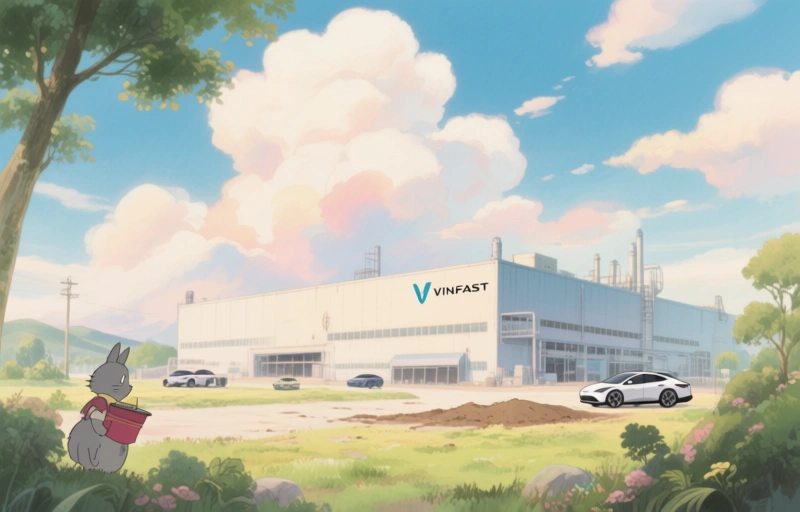
VinFast announced plans for a $4 billion manufacturing plant in Chatham County back in 2022. The company promised thousands of jobs and a major boost to the local economy. North Carolina offered hundreds of millions in incentives to seal the deal. But now, over a year after the ceremonial groundbreaking, the site remains an empty field.
### What Happened With the VinFast Factory?
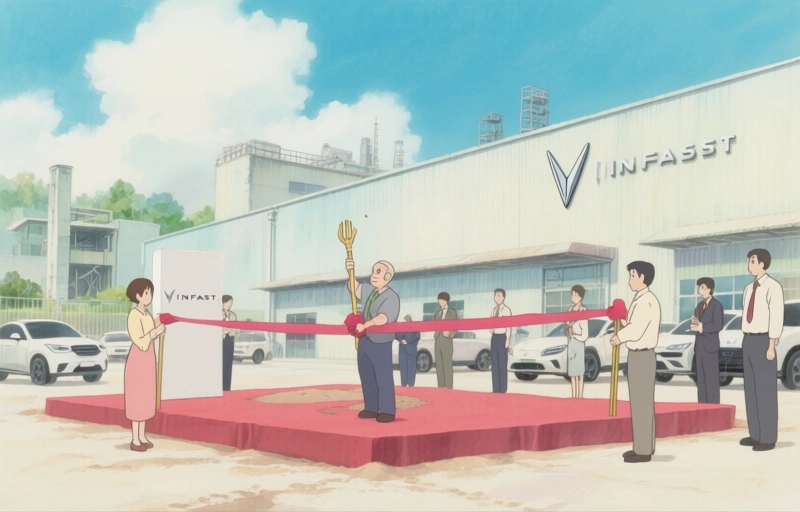
VinFast held a groundbreaking event in July 2023 with plenty of fanfare. State officials showed up, photos were taken, and everyone seemed excited. But construction never really started. The company cited delays in permitting, supply chain issues, and shifting market conditions. Meanwhile, North Carolina taxpayers were left wondering where their money went.
The state's lawsuit claims VinFast failed to meet key milestones outlined in the incentive agreement. Those milestones included starting construction by a certain date and hiring a minimum number of local workers. VinFast missed them all. Now North Carolina wants to claw back the $1.2 billion incentive package it promised.
### Why This Matters for Taxpayers
This case highlights a bigger issue with corporate incentive deals. States often compete to attract big companies by offering tax breaks, grants, and other perks. But when companies don't deliver, taxpayers get stuck with the bill. It's a gamble that doesn't always pay off.
- States offer incentives to create jobs and boost local economies
- Companies may promise more than they can deliver
- Taxpayers bear the risk when deals fall through
- Legal battles can drag on for years, costing even more money
VinFast's situation isn't unique. Other companies have pulled similar moves, taking incentives and then scaling back or abandoning projects. It's a pattern that leaves communities frustrated and skeptical of future development promises.

### What VinFast Says in Its Defense
VinFast argues that the delays were beyond its control. The company points to global economic uncertainty, rising interest rates, and slower-than-expected EV adoption. They also claim they've invested millions in site preparation and design work. But North Carolina isn't buying it. The state says a groundbreaking ceremony implies a real commitment, not just a photo op.
"We broke ground in good faith," a VinFast spokesperson said. "Market conditions changed, and we had to adjust our timeline. We're still committed to building in North Carolina."
But the state's attorney general fired back: "Promises made must be promises kept. Taxpayers shouldn't have to subsidize a company's wishful thinking."
### The Broader Impact on EV Industry
The VinFast lawsuit comes at a tough time for the electric vehicle market. Demand has slowed, competition is fierce, and many startups are struggling to survive. VinFast itself reported heavy losses in 2023 and has delayed several international projects. This legal battle could make other states think twice before offering huge incentives to EV companies.
Some experts say the industry needs more realistic expectations. "You can't just throw money at a problem and expect it to work," said one analyst. "Companies need to prove they can execute before getting taxpayer support."
### What Happens Next?
The lawsuit is still in its early stages. Both sides are preparing for a lengthy legal fight. If North Carolina wins, it could set a precedent for holding companies accountable for broken promises. If VinFast prevails, it might encourage more companies to take incentives without real commitment.
For now, the empty factory site stands as a reminder of what can go wrong when ambition outpaces reality. Local residents are left wondering if the promised jobs and economic boost will ever come. And state officials are rethinking how they structure future incentive deals.
### Key Takeaways for Professionals
If you work in economic development, corporate law, or the EV industry, this case offers some important lessons:
- Always include clear, enforceable milestones in incentive agreements
- Require regular progress reports and independent verification
- Build clawback provisions that let states recover funds if promises aren't kept
- Don't rely on groundbreaking ceremonies as proof of commitment
- Consider the long-term financial health of the company before offering incentives
The VinFast story is still unfolding. But one thing is clear: the days of handing out big incentives without accountability might be numbered. North Carolina's lawsuit could change how states and companies do business for years to come.