Nissan Recalls 643K Vehicles: Engine & Transmission Risks
Wouter Smit ·
Listen to this article~5 min
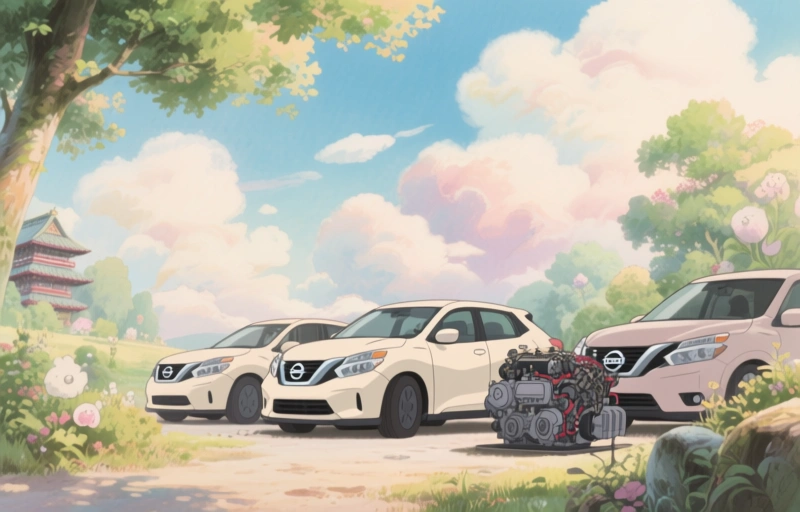
Nissan recalls nearly 643,000 vehicles in the U.S. due to serious engine stalling and transmission safety risks affecting Rogue, Pathfinder, and Infiniti QX60 models. Safety professionals should advise immediate VIN checks.
If you own a Nissan, you might want to sit down for this one. The automaker just announced a massive recall affecting nearly 643,000 vehicles across the United States. We're talking about serious engine and transmission risks here—the kind of stuff that keeps safety professionals up at night.
It's a huge number, isn't it? Over half a million vehicles suddenly in need of attention. This isn't some minor software update or a simple trim piece that might come loose. These are core components that affect how your vehicle operates and, more importantly, how safely it gets you from point A to point B.
### What's Actually Wrong With These Vehicles?
Let's break it down simply. The recall covers specific models where the engine might stall unexpectedly while driving. Imagine cruising down the highway at 70 miles per hour and suddenly losing power. That's not just inconvenient—it's downright dangerous. The transmission issue is equally concerning, potentially causing the vehicle to roll away even when it's parked and the parking brake is engaged.
Here are the main models affected:
- Nissan Rogue (2014-2016 model years)
- Nissan Pathfinder (2013-2016 model years)
- Infiniti QX60 (2014-2016 model years)
These aren't ancient vehicles either. We're talking about cars that are still very much on the road today, many of them likely with families inside.
### Why This Matters For Safety Professionals
You know how this goes. A recall this size creates ripple effects throughout the industry. Dealership service departments will be swamped. Parts availability will become a challenge. And most importantly, getting the word out to every single affected owner becomes a monumental task.
As one industry veteran put it recently: "When core systems like engines and transmissions fail, we're not talking about comfort features—we're talking about fundamental safety. Getting these repairs done quickly and correctly isn't just good business, it's a moral obligation."
That's the real kicker here. These aren't luxury features malfunctioning. These are the systems that keep people safe on roads that are already challenging enough with distracted drivers and unpredictable conditions.
### What Vehicle Owners Should Do Right Now
First, don't panic. Recalls happen—it's how companies handle them that matters. Here's your action plan:
1. Check if your vehicle is affected by visiting the National Highway Traffic Safety Administration (NHTSA) website and entering your VIN
2. Contact your local Nissan or Infiniti dealership to schedule the repair
3. The repairs should be completely free of charge—don't let anyone tell you otherwise
4. If you experience any symptoms (unexpected stalling, transmission issues), stop driving the vehicle immediately and have it towed to a dealership
### The Bigger Picture On Vehicle Safety
This Nissan situation highlights something important. Vehicle recalls have been increasing in recent years, partly because technology has become more complex and partly because monitoring systems have gotten better at detecting issues. For professionals in the field, this means staying vigilant about:
- Regular monitoring of recall databases
- Clear communication channels with vehicle owners
- Efficient repair processes that don't leave customers waiting weeks for parts
- Proper documentation of all recall-related work
It's a lot to manage, but here's the thing—when done right, effective recall management saves lives. Plain and simple. Those 643,000 vehicles represent hundreds of thousands of families, commuters, and road users who deserve to travel safely.
The repair process itself involves updating software and potentially replacing certain components. Nissan estimates the fix will take a few hours at most, but given the volume of vehicles affected, scheduling might require some patience. The company has stated they'll begin notifying owners by mail starting next month, but why wait? Proactive checking is always your best bet.
At the end of the day, this recall serves as a reminder that even established manufacturers with solid reputations can face significant engineering challenges. What separates the good companies from the great ones isn't that they never have problems—it's how quickly and thoroughly they address them when issues arise. For now, if you own one of these vehicles, make that check your priority this week.