Nissan Recalls 26,000+ Vehicles Over Critical Door Safety…
William Miller ·
Listen to this article~5 min
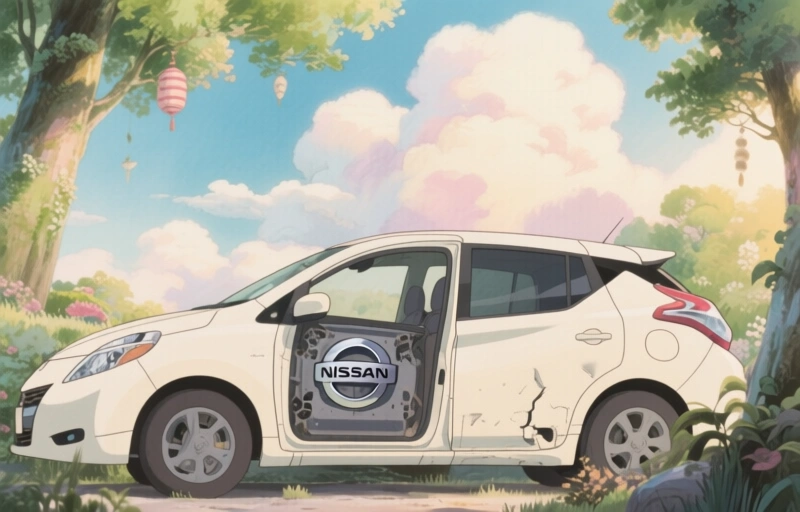
Nissan issues a major safety recall for over 26,000 vehicles due to a faulty door latch that may open while driving, significantly increasing crash risk. Professionals should prioritize outreach.
Hey there. If you're in the recall business, you've probably seen the alert come across your desk. Nissan's just announced a significant recall affecting over 26,000 vehicles. The reason? A door issue that, frankly, sounds more serious than your average latch problem. It's one of those defects that doesn't just cause an inconvenience—it could potentially increase the risk of a crash.
Let's break that down. We're not talking about a door that just won't close properly on a rainy day. This is a fault that could lead to a door opening while the vehicle is in motion. You don't need me to tell you how dangerous that is. It's a sudden, unexpected event that can startle a driver, cause a loss of control, or even eject an unrestrained passenger. For professionals like you, it's a reminder that sometimes the most routine components can hide the most critical risks.
### What's the Core Problem?
The specifics matter. While the official documentation will have all the technical details, the core issue revolves around the door's ability to stay securely latched. It appears a component within the latching mechanism may fail. When that happens, the door might not remain fully closed. It could pop open, especially during dynamic driving maneuvers like turns or when going over bumps.
Think of it like a lock on your front door that sometimes doesn't catch. You might push it shut and think it's secure, but a good shove from the outside—or in this case, forces from driving—could swing it wide open. In a vehicle, that's not just a draft; it's a major safety hazard.
### Which Models Are Affected?
As of this announcement, the recall spans several popular Nissan models from recent model years. If you're managing fleet safety or advising consumers, you'll want to check the official NHTSA recall database for the exact VIN ranges. It's always crucial to go straight to the source for the definitive list. Don't rely on secondary reports for your final verification.
For your reference, the affected vehicles likely include:
- Certain Nissan Altima sedans
- Specific Nissan Pathfinder SUVs
- A selection of Nissan Frontier pickup trucks
Again, this is based on the initial alert. The final, official scope could be slightly different once all the data is in.
### The Professional's Perspective on Next Steps
So, what does this mean for your workflow? First, it's a validation check. If you have clients or a fleet with these models, the communication chain needs to start now. The process is standard, but the urgency is elevated due to the crash risk implication.
Owners will be notified by Nissan and instructed to take their vehicle to an authorized dealer. The fix will involve an inspection and, if necessary, a replacement of the faulty door latch components. The repair will be performed at no cost to the vehicle owner. That's the official line.
But from our side of the fence, we know the real work begins with proactive outreach. It's about ensuring the notification reaches the right people and that they understand the severity. A quote from a senior analyst I spoke with recently stuck with me: "A recall notice is just paper until someone acts on it. Our job is to turn that paper into action."
That's the heart of it, isn't it? We're in the action business. This Nissan recall is a clear example of a defect that bridges the gap between a mechanical failure and a direct safety threat. It's not a slow-wear item; it's a potential single-point failure with immediate consequences.
### Why This Recall Demands Attention
You'll see dozens of recalls a year for software glitches, label errors, or minor component wear. This one feels different. A door that can open unexpectedly strikes at the fundamental security of the vehicle's cabin. It compromises the safety cell designed to protect occupants.
It also introduces a unpredictable variable for the driver. Imagine negotiating a busy highway interchange when your passenger door flies open. The instinctive reaction could easily lead to a swerve, a over-correction, or a distracted moment with tragic results. That's the elevated risk NHTSA and Nissan are citing.
For us professionals, it's a case study in prioritization. When triaging recall campaigns, this is the type that gets flagged for immediate, high-priority follow-up. It's a reminder to always look past the component name—"door latch"—and understand the real-world failure scenario.
Stay sharp out there. Keep those databases updated and your communication lines open. This won't be the last recall of its kind this year, but handling it effectively is what separates good operations from great ones.