Major Auto Recall: 760K Toyota, Kia Vehicles Pose Serious Safety Risks
Wouter Smit ·
Listen to this article~4 min
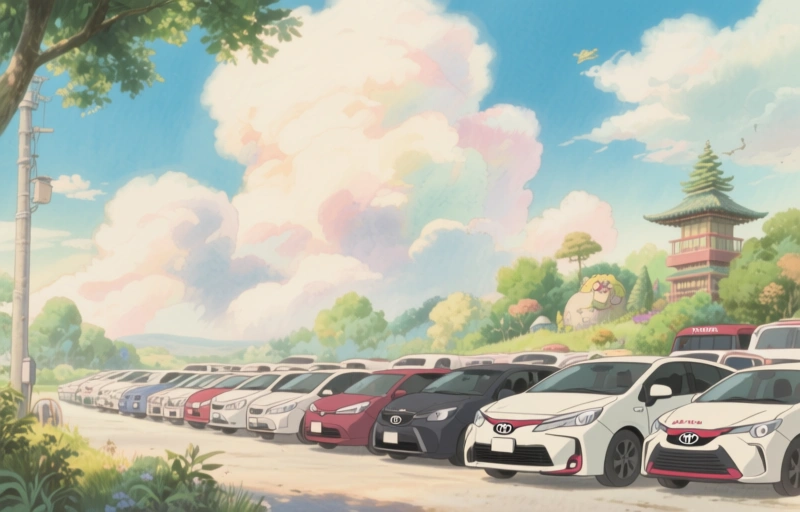
A major safety recall impacts 760,000 Toyota and Kia vehicles. Car recall professionals must act swiftly to address serious risks and coordinate repairs for concerned owners.
If you work in the car recall space, you know that feeling. That pit in your stomach when a major announcement hits the wire. This week, it's a big one. Several major automakers have just issued an urgent recall affecting approximately 760,000 vehicles. The risks are serious, and the scale is significant. It's a situation that demands immediate attention from professionals like you.
We're talking about household names here—Toyota and Kia are at the forefront. These aren't niche models with limited production runs. These are popular vehicles that are on roads across the country right now. The recall isn't for a minor software glitch or a cosmetic issue. The identified defects pose genuine safety hazards that could lead to accidents, injuries, or worse if left unaddressed.
### What's Behind This Massive Recall?
The specific defects prompting this action are critical. While the full technical bulletins from the National Highway Traffic Safety Administration (NHTSA) will have the granular details, the overarching theme is component failure. In some cases, it's a part that could fail unexpectedly during operation. In others, it's a system that might not perform as designed in a crucial moment. Think about it—a component that's supposed to last for 100,000 miles failing at 50,000. That's the kind of unpredictability that keeps safety engineers up at night.
For dealership service managers and independent repair shops, this means a sudden influx of work. You'll need to prioritize these vehicles, source the correct replacement parts, and communicate clearly with concerned owners. It's a logistical challenge, but it's also your core mission: getting these cars fixed and back on the road safely.
### The Professional's Checklist for Recall Response
When a recall of this magnitude drops, having a clear process is everything. Here's a quick rundown of the immediate steps your operation should take:
- **Verify Vehicle Identification Numbers (VINs):** Use the official NHTSA VIN lookup tool or manufacturer portals to confirm which specific vehicles in your area are affected. Don't rely on broad model-year assumptions.
- **Audit Your Parts Inventory:** Check immediately for the affected components. You don't want to schedule appointments only to find you're waiting on a back-ordered part for weeks.
- **Craft Clear Customer Communication:** Owners will be nervous. Your outreach—whether by phone, email, or posted notice—should be calm, factual, and directive. Tell them exactly what to do next.
- **Plan Your Service Bay Workflow:** These repairs will tie up lifts and technicians. How will you integrate this urgent work with your scheduled maintenance appointments? A little planning now prevents chaos later.
It's easy to get lost in the paperwork and the parts numbers. But let's not forget the human element. As one veteran service director put it, "Every VIN on that recall list is a family, a commute, a life. Our job is to restore their peace of mind." That perspective is what separates a good shop from a great one.
### Looking Beyond the Immediate Fix
This recall, like all major ones, is also a data point. It's a signal about supply chain quality, design validation processes, and real-world durability testing. For professionals analyzing trends, this event will be studied. Could similar materials or components be in other models? Is this a supplier issue that might ripple out? The work doesn't end when the last car is repaired. The analysis and the lessons learned are just as important for preventing the next big recall.
So, take a deep breath. Grab your coffee. A busy period is ahead, but this is the work that matters. Coordinating this response, fixing these cars, and protecting the public—that's why you're in this business. Let's get to it.