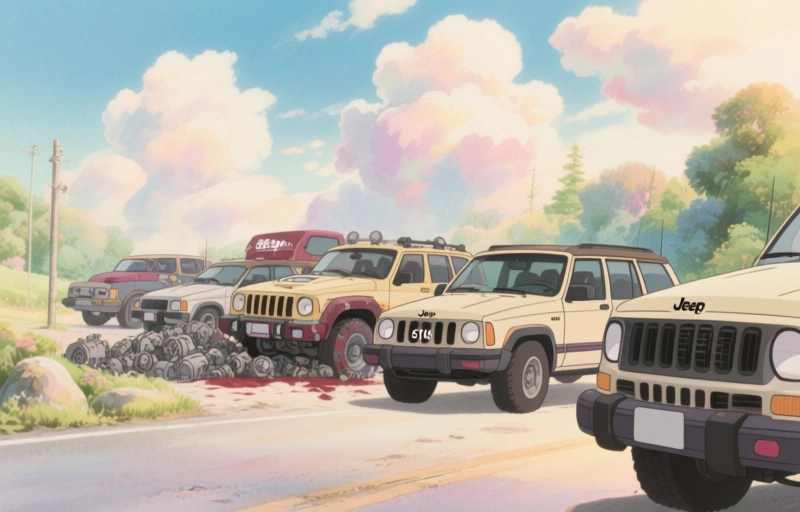
Jeep recalls 61K Cherokees due to catastrophic transfer case failure. Learn which models are affected, what to do, and why regular recall checks are vital for your safety on US roads.
If you own a Jeep Cherokee, there's some news you need to hear. Jeep has issued a recall for roughly 61,000 Cherokees due to a serious transfer unit failure. This isn't a minor glitch—it's a catastrophic problem that could leave you stranded or worse. Let's break down what's happening, why it matters, and how you can check if your vehicle is affected.
### What's the Problem?
The recall centers on the transfer case, which is the part that sends power to all four wheels in four-wheel-drive models. In affected Cherokees, this unit can fail without warning. When it does, you might lose drive power entirely. Imagine driving on the highway and suddenly having no forward motion. That's the risk here.
Jeep's investigation found that internal components can fracture under stress. This leads to oil leaks and eventual failure. It's not a slow degradation—it can happen suddenly. For drivers in the United States, this is a safety issue that demands immediate attention.
### Which Models Are Affected?
This recall specifically covers certain Jeep Cherokee models. The affected vehicles include:
- 2014-2015 Jeep Cherokee models with four-wheel drive
- Vehicles equipped with the 9-speed automatic transmission
- Approximately 61,000 units in the United States
If you own a Cherokee from these years, you need to verify if your VIN is included. The issue is limited to four-wheel-drive versions, but two-wheel-drive models are not affected.
### What Should You Do?
First, don't panic. This recall is serious, but there's a clear path forward. Here's what you need to do:
- Check your vehicle identification number (VIN) on the official recall website
- Contact your local Jeep dealer to schedule a free repair
- The fix involves replacing the transfer case assembly, which takes a few hours
- Until repaired, be cautious—especially on long trips or at highway speeds
Keep in mind that recalls are free. You won't pay a dime for the repair. Jeep will cover all costs, including labor and parts. This is your right as a vehicle owner in the United States.
### Why Regular Recall Checks Matter
This situation highlights why regular recall checks are so important. Many vehicle owners ignore recall notices, thinking they don't apply to them or that it's not a big deal. But recalls exist for a reason—they address real safety risks.
"A recall isn't just paperwork; it's a lifeline. Ignoring it could put you and your passengers in danger." - Wouter Smit, Innovation Consultant
Checking for recalls should be part of your routine vehicle maintenance. It takes just a few minutes and can save you from major headaches down the road.
### How to Stay Safe
Beyond this specific recall, there are broader steps you can take to protect yourself. Make it a habit to:
- Check for recalls every few months using your VIN
- Sign up for alerts from the National Highway Traffic Safety Administration (NHTSA)
- Act quickly when a recall is issued for your vehicle
- Keep your contact information updated with your dealer
These simple practices can prevent accidents and keep your car running smoothly. Don't wait until something goes wrong.
### Final Thoughts
This Jeep Cherokee recall is a stark reminder that even reliable vehicles can have hidden flaws. The transfer case failure is a serious issue, but it's one you can address easily by taking action. Check your VIN today, schedule a repair, and drive with peace of mind.
Remember, safety starts with awareness. Stay informed, stay proactive, and your vehicle will thank you.