Hyundai Ioniq 6 N Lives On While Standard Models Get Cut
Wouter Smit ·
Listen to this article~5 min
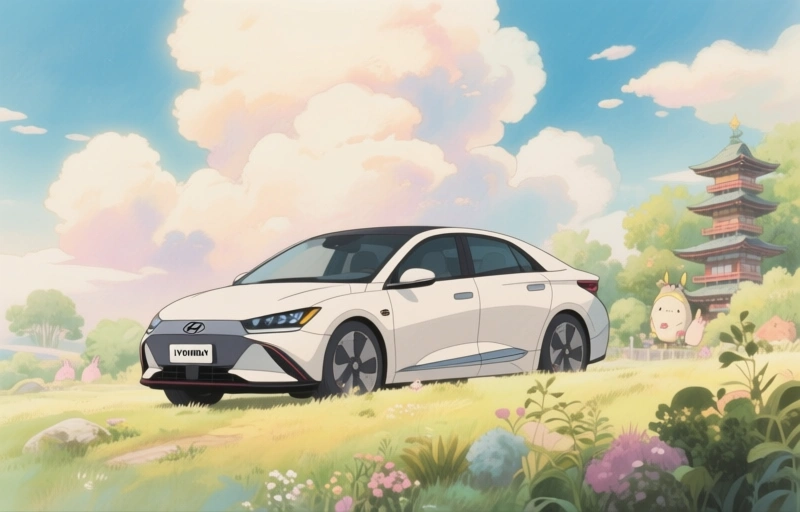
Hyundai cuts standard Ioniq 6 models from U.S. lineup while confirming the high-performance Ioniq 6 N sports sedan is still coming. The move reshapes EV options for American buyers.
So here's the latest twist in the electric vehicle world that's got everyone talking. Hyundai just made a pretty bold move with their Ioniq 6 lineup. The regular, less powerful versions? They're gone. But the exciting part? The sporty Ioniq 6 N is still very much on its way to American roads.
It's one of those decisions that makes you pause and think about where the EV market is heading. Are manufacturers shifting focus entirely toward performance models? Or is this just Hyundai streamlining their offerings in a crowded marketplace?
### What This Means for EV Shoppers
If you've been eyeing the standard Ioniq 6, this news might feel like a curveball. Those models offered solid range and more affordable pricing—think starting around $42,000 for the base model. They were practical daily drivers with enough pep for most people's needs.
Now, with only the N version remaining, the entry point jumps significantly. The Ioniq 6 N is expected to start north of $60,000. That's a whole different conversation about value and what you're really getting for that premium.
### The Ioniq 6 N's Promised Performance
Let's talk about why this sports sedan is generating so much buzz. Hyundai's N division doesn't mess around—they're the performance arm that's been turning heads with models like the Veloster N and Elantra N.
For the Ioniq 6 N, we're looking at:
- Dual-motor all-wheel-drive setup
- Estimated 600+ horsepower
- 0 to 60 mph in under 3.5 seconds
- Track-focused suspension and braking systems
- Special driving modes that adjust everything from steering feel to power delivery
It's not just about straight-line speed either. The N treatment typically includes chassis enhancements that make these cars genuinely fun on twisty roads. They're built for drivers who want engagement, not just transportation.
### Why Cut the Standard Models?
This is where things get interesting. Industry watchers have a few theories about Hyundai's decision. First, there's the simple reality of production costs and complexity. Building multiple versions of the same platform isn't cheap, especially when you're dealing with battery packs, motors, and software that all need separate development.
Then there's market positioning. Hyundai might be looking to elevate the Ioniq 6's image as a premium performance offering rather than competing directly with more mainstream EVs. As one industry analyst recently noted, "Sometimes subtraction is the best form of focus."
Sales numbers probably played a role too. The standard Ioniq 6 faced stiff competition from Tesla's Model 3, Polestar 2, and even Hyundai's own Ioniq 5. The N version creates a unique space without direct rivals.
### What You Should Consider Now
If you were planning to buy a standard Ioniq 6, this changes your options. You might want to:
- Check dealership inventories for remaining 2024 models
- Consider certified pre-owned options as they become available
- Look at the Ioniq 5, which still offers multiple trim levels
- Wait for potential lease returns in the coming years
For performance enthusiasts, this is actually good news. The Ioniq 6 N should arrive with Hyundai's full attention and resources behind it. No splitting development between multiple versions means they can pour everything into making this sports sedan exceptional.
### The Bigger Picture for Hyundai's EV Strategy
This move isn't happening in isolation. Hyundai's been aggressive with their EV rollout, but they're also learning what works and what doesn't. The Ioniq 5 continues to be a hit, while the Ioniq 6 has struggled to find its audience.
By focusing on the performance angle, Hyundai might be playing to their strengths. Their N division has earned serious credibility in recent years. Translating that success to electric vehicles could create a compelling story that standard models couldn't tell.
It also signals confidence in their technology. High-performance EVs stress batteries and thermal management systems much more than regular models. If Hyundai believes their systems can handle track use, that says something about durability and engineering.
### Looking Ahead
The Ioniq 6 N is expected to arrive at U.S. dealerships later this year. Pricing hasn't been officially announced, but based on European figures and typical markups, expect it to compete with performance variants of the Tesla Model 3 and upcoming electric sports sedans from other manufacturers.
What's clear is that the EV landscape keeps evolving in unexpected ways. Manufacturers are finding their niches, and sometimes that means making tough calls about what stays and what goes. For Hyundai, betting on performance might just be their smartest move yet with the Ioniq 6.
We'll be watching closely as more details emerge about specifications, exact pricing, and availability. One thing's for sure—the electric sports sedan segment just got a lot more interesting.