Honda Recalls 65K Prologue & ZDX EVs Over Software Glitches
Wouter Smit ·
Listen to this article~5 min
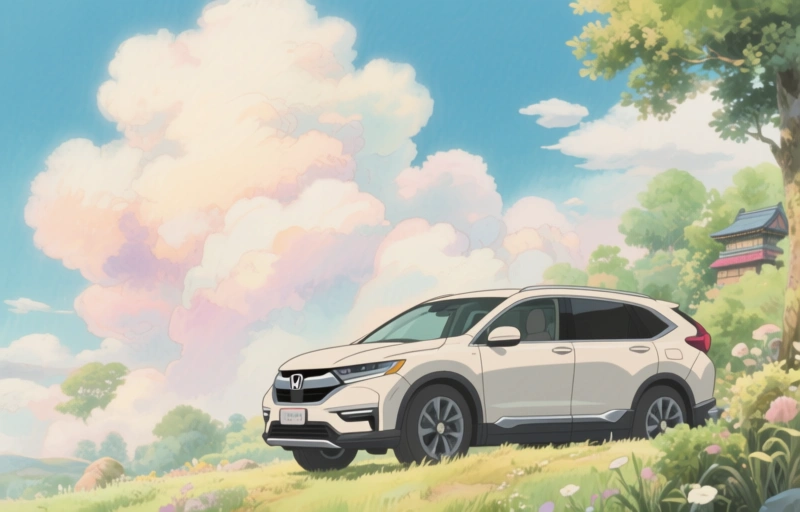
Honda issues major recall affecting 65,135 Prologue and ZDX electric vehicles due to software issues. Learn what owners need to know about the problem, the fix, and next steps for vehicle safety.
If you're driving one of Honda's newest electric vehicles, you might want to pay attention. The automaker just announced a major recall affecting over 65,000 Prologue and ZDX models due to software issues that could impact vehicle performance and safety.
Let's break down what this means for owners and why it matters more than you might think.
### What's Actually Wrong With These Vehicles?
The problem comes down to software - specifically, the software that controls the vehicle's electronic systems. We're not talking about a minor app glitch here. This is the kind of software that manages how your car communicates with itself, how it responds to your commands, and how it handles various driving situations.
Imagine you're driving down the highway and suddenly your dashboard lights up like a Christmas tree. Or worse, certain safety features decide to take an unexpected nap. That's the kind of scenario Honda wants to prevent with this recall.
Here's what owners should know right now:
- The recall affects 65,135 vehicles in total
- Both the Prologue and ZDX models are included
- The issue is software-related, not mechanical
- Dealers will update the software free of charge
### Why Software Recalls Are Becoming More Common
Here's something that might surprise you. We're seeing more and more recalls like this one. Cars today aren't just machines with computers added on - they're computers with wheels attached. A modern vehicle can have over 100 million lines of code. That's more than some fighter jets!
When you think about it that way, software issues become less surprising and more inevitable. The complexity is staggering, and sometimes bugs slip through. The important thing is how companies respond when they find them.
Honda's being proactive here, which is good. They identified the problem and they're fixing it before it causes widespread issues. That's how responsible manufacturers should operate in our increasingly digital automotive world.

### What Owners Need to Do Next
If you own one of these vehicles, don't panic. But do take action. Here's your step-by-step guide:
First, check if your vehicle is included. You can do this by:
- Visiting the NHTSA website and entering your VIN
- Contacting your local Honda dealer directly
- Waiting for the official recall notice in the mail
Once you confirm your vehicle is affected, schedule an appointment with your dealer. The fix should be relatively quick - we're talking software updates, not major mechanical work. Most dealers can handle this in a couple of hours.
While you're waiting for your appointment, keep driving as normal but stay alert. Pay attention to any warning lights or unusual behavior. If something doesn't feel right, pull over safely and contact Honda's roadside assistance.
### The Bigger Picture for EV Owners
This recall highlights something important about modern vehicle ownership, especially with electric vehicles. Software isn't just an add-on anymore - it's the heart of how these vehicles operate. Regular updates and maintenance are becoming as important as oil changes used to be.
As one industry expert put it recently: "Today's cars are smartphones on wheels, and they need the same kind of regular software attention."
That means as an owner, you should:
- Stay on top of recall notices
- Keep your contact information updated with the manufacturer
- Don't ignore software update notifications
- Maintain a relationship with a trusted dealer
### Looking Forward
Recalls happen. They're a normal part of the automotive industry, and they show that safety systems are working. What matters is transparency, speed, and thoroughness in addressing issues.
Honda appears to be handling this recall properly - they identified the problem, they're communicating clearly, and they're providing a free fix. That's exactly what consumers should expect from any manufacturer.
The takeaway? If you own one of these vehicles, get the software update. If you're considering buying one, know that this issue will be resolved. And if you're just watching from the sidelines, remember that this is how modern vehicle safety works - constantly evolving, constantly improving.
Stay safe out there, and keep those software updates current!