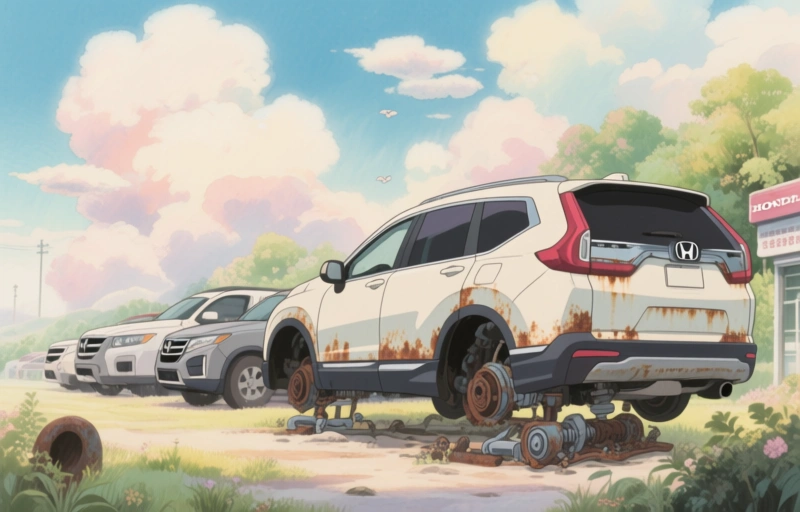
Honda recalls over 880,000 vehicles in the U.S. due to rear suspension rust that can cause the trailing arm to detach. Affected models include Pilot, Passport, Ridgeline, and Acura MDX. Free repairs at dealerships.
Honda just dropped a massive recall on over 880,000 vehicles in the U.S., and it's all because of rear suspension components that can rust and fail. If you own a Honda or Acura SUV or truck from certain model years, you'll want to pay attention.
This recall affects popular models like the Honda Pilot, Passport, Ridgeline, and Acura MDX, mostly from the 2019 to 2024 model years. The problem? Road salt can cause the rear subframe to rust, and in the worst case, the trailing arm can detach. That's not something you want happening at highway speeds.
### What's Actually Going Wrong?
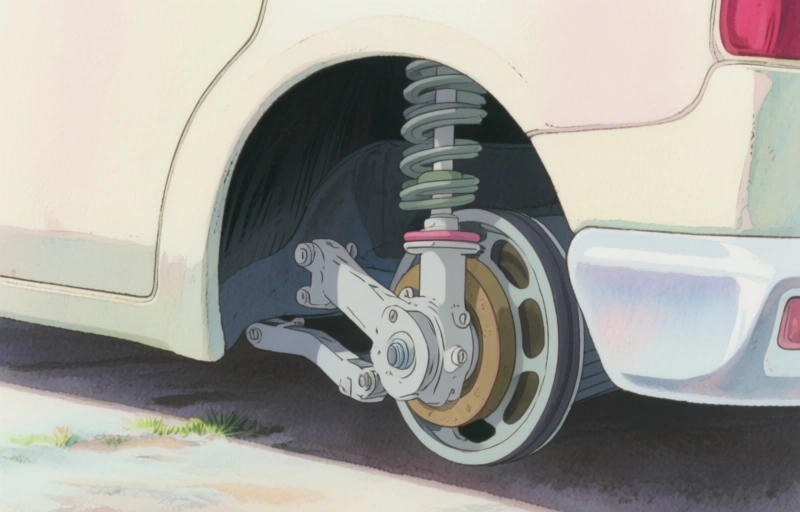
The issue centers on the rear suspension's trailing arm assembly. Over time, especially in colder states where roads get salted, the subframe can corrode. If the rust gets bad enough, the trailing arm can separate from the frame. That means you could lose control of the rear end of your vehicle.
Honda says they'll inspect the subframe and, if needed, install a reinforcement bracket or replace the entire subframe. The fix is free, but you'll need to schedule it at a dealership.
### Which Models Are Included?
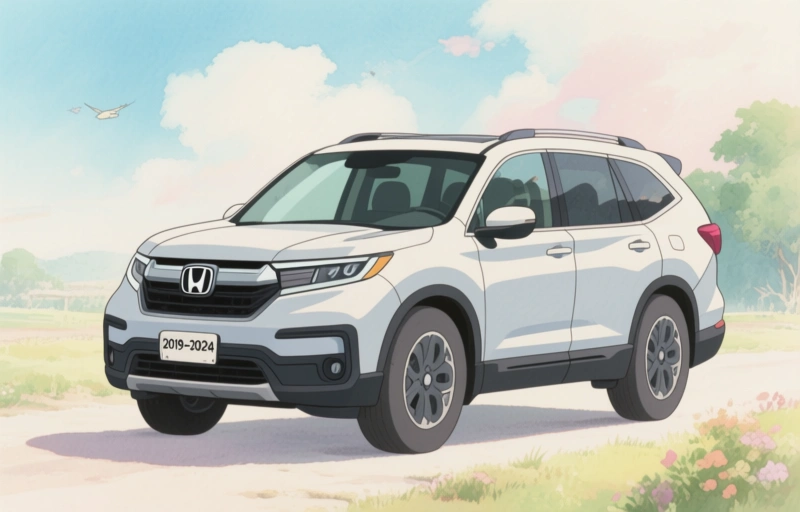
Here's the full list of affected vehicles:
- 2019-2024 Honda Pilot
- 2020-2024 Honda Passport
- 2020-2024 Honda Ridgeline
- 2020-2024 Acura MDX
- 2022-2024 Acura MDX Type S
If you're driving one of these, especially if you live in the Northeast or Midwest where road salt is common, don't wait. Get it checked.
### How to Check If Your Car Is Affected
You don't have to guess. The quickest way is to use the National Highway Traffic Safety Administration (NHTSA) recall lookup tool. Just enter your VIN (Vehicle Identification Number), and you'll know in seconds.
But honestly, a lot of people forget to check. That's why services like Carfax or AutoCheck are helpful. They keep track of recalls for you and can alert you when a new one pops up.
### Why Regular Recall Checks Matter
Recalls aren't rare. In fact, automakers issue hundreds every year. Some are minor, like a software glitch. Others, like this one, are serious safety risks. The problem is that many owners never get the fix done. According to NHTSA data, about 25% of recalled vehicles never get repaired.
That's a scary number. A loose suspension part can cause a crash. A faulty airbag can injure you. A bad brake line can fail when you need it most.
> "Regular recall checks are the easiest way to keep your family safe without spending a dime."
### What You Should Do Right Now
If you own one of the affected models, here's your action plan:
- Find your VIN (it's on your insurance card or the driver's side dashboard).
- Go to the NHTSA website or use a trusted recall check service.
- If your vehicle is included, call your local Honda or Acura dealer to schedule the repair.
- Don't wait. The repair is free, and it could prevent a serious accident.
### Final Thoughts
This Honda recall is a big one, but it's also a reminder that recalls happen all the time. The best thing you can do is stay proactive. Set a reminder to check for recalls every six months, or use a service that does it automatically.
Your car is only as safe as its newest recall fix. Don't skip it.