Honda Recalls 700k HR-V & Civic Models Over Wheel…
Wouter Smit ·
Listen to this article~6 min
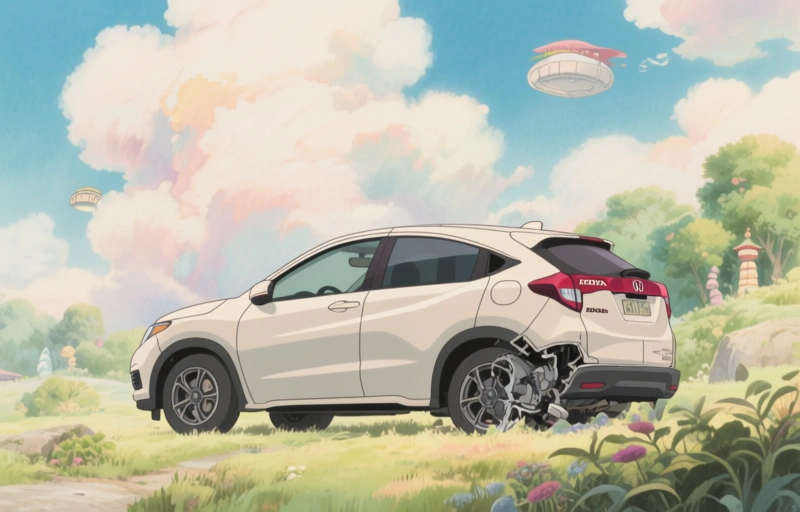
Honda recalls over 700,000 HR-V and Civic models due to wheel design defect that may cause lug nuts to loosen, posing wheel detachment risk. Vehicles manufactured between 2014-2021 affected.
If you work in vehicle safety or recalls, you've probably seen this one come across your desk. Honda's issuing a major recall affecting over 700,000 vehicles, and it's one of those defects that gets everyone's attention fast. Why? Because it involves wheels potentially coming loose while driving.
Let's break down what we know so far.
### The Scope of This Honda Recall
We're talking about 700,318 specific Honda HR-V and Civic models. The manufacturing window is pretty wide too—from November 1, 2014, through July 1, 2021. That's nearly seven years of production, which means a lot of vehicles could be sitting in driveways with this issue right now.
For recall professionals, you know what that means. Tracking down owners, coordinating with dealerships, managing parts inventory—it's a massive logistical operation. And with a safety issue this serious, time isn't just money, it's potentially lives.
### Understanding the Technical Defect
Here's where it gets technical, but I'll keep it simple. The problem centers on the wheel design. Specifically, certain wheels were manufactured without what Honda calls "pressed-in alloy steel bushes."
Without getting too deep into the engineering weeds, here's what that means in practical terms:
- The wheel nuts can't maintain their proper torque
- Over time, vibration and normal driving can cause them to loosen
- Eventually, they could loosen enough for the wheel to detach
Think about that for a second. A wheel detaching at highway speeds isn't just a minor inconvenience—it's a catastrophic failure that could lead to loss of vehicle control.
### Why This Recall Matters for Professionals
As someone in the recall industry, you're probably thinking about a few key things already. First, the risk profile here is high. Wheel detachment sits right up there with steering or braking failures in terms of immediate danger.
Second, the fix isn't just a simple software update. This requires physical inspection and potentially wheel replacement. That means:
- Significant parts inventory management
- Dealer service capacity planning
- Extended wait times for consumers
- Complex logistics for a widespread fix
One industry expert I spoke with recently put it this way: "Recalls like this test every part of the system—from engineering to customer communication to service execution. It's where theory meets reality."
### What Vehicle Owners Need to Know
While our primary audience here is recall professionals, let's think about what this means for the end user. The average Honda owner isn't going to understand "pressed-in alloy steel bushes." They need clear, actionable information.
Here's how I'd explain it to a concerned vehicle owner:
- Your vehicle might have wheels that weren't manufactured correctly
- This could cause the lug nuts to loosen over time
- Honda will inspect your wheels and replace them if necessary
- The service is completely free to you
- You should contact your dealer as soon as you receive official notice
The communication challenge here is real. You need to convey urgency without causing panic, technical accuracy without confusing people.
### The Recall Process in Action
For those managing this recall, you're looking at a multi-phase process. It starts with identifying affected VINs, then moves to owner notification, dealer preparation, parts distribution, and finally, the actual repair work.
Each phase has its own challenges:
- **Notification**: Getting accurate contact information for 700k+ owners
- **Parts**: Manufacturing and distributing enough replacement wheels
- **Service**: Training technicians and allocating service bay space
- **Follow-up**: Ensuring completion rates are high enough to mitigate risk
It's a massive undertaking, and it requires coordination across multiple departments and even multiple companies if third-party suppliers are involved.
### Looking at the Bigger Picture
This Honda recall isn't happening in a vacuum. It's part of a larger trend we're seeing in the automotive industry. As vehicles become more complex and manufacturing processes more globalized, quality control challenges are evolving.
What does this mean for recall professionals? A few things come to mind:
- Supply chain transparency is more important than ever
- Digital tools for tracking and managing recalls are becoming essential
- Consumer expectations around communication and convenience are rising
- Regulatory scrutiny continues to increase globally
Recalls like this one serve as important case studies. They show us what works, what doesn't, and where we need to improve our processes.
### Final Thoughts for the Industry
If you're working on this Honda recall or similar safety campaigns, remember that you're doing important work. It's easy to get lost in the spreadsheets and logistics, but at the end of the day, you're helping prevent accidents and save lives.
The key is balancing efficiency with effectiveness. Moving quickly matters, but so does moving correctly. Every vehicle fixed is one less potential accident on the road.
As we navigate this particular recall and others like it, let's keep sharing what we learn. The automotive safety community grows stronger when we collaborate, when we're honest about challenges, and when we focus on what really matters—getting unsafe vehicles fixed before anyone gets hurt.