Honda Recalls 700K HR-V & Civic Models Over Wheel…
William Miller ·
Listen to this article~5 min
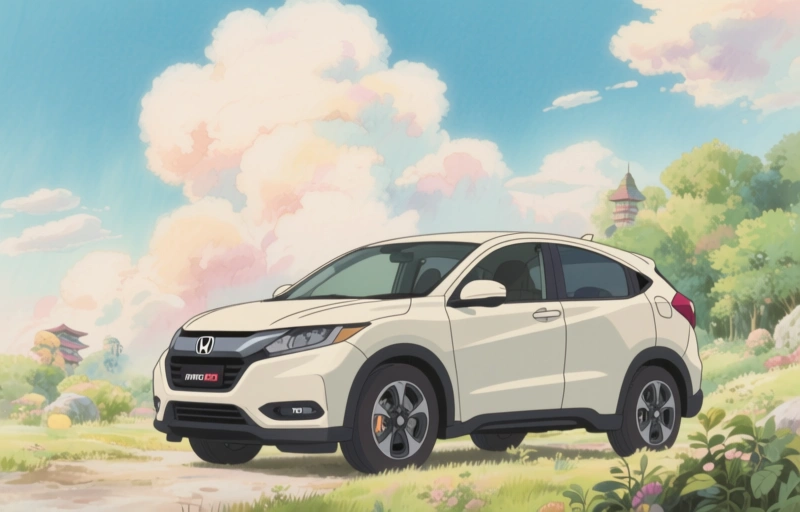
Honda recalls over 700,000 HR-V and Civic models due to a wheel design defect that can cause nuts to loosen, posing a serious risk of wheel detachment. Vehicles were built between 2014 and 2021.
Hey there, fellow recall professionals. Let's talk about something that just landed on our collective desks—a significant safety recall from Honda that we all need to understand inside and out. It's not just another bulletin; it involves over 700,000 vehicles and a defect that could literally lead to a wheel coming off. That gets your attention, doesn't it?
We're looking at a massive recall covering the Honda HR-V and Civic. The production window is wide: models built between November 1, 2014, and July 1, 2021. That's nearly seven years of production, which tells you this isn't a one-off assembly line hiccup. It's a systemic design issue that persisted.
### What's the Core Problem?
The heart of the matter is a wheel design defect. Specifically, it involves wheels that were manufactured *without* pressed-in alloy steel bushes. Now, you might be wondering, what's the big deal about a missing bushing? Here's the thing—it's critical for maintaining proper torque on the wheel nuts.
Without that component, the required clamping force simply can't be guaranteed. It's like trying to tighten a bolt into stripped threads; you think it's secure, but it's not. Over time, with the stresses of driving, those wheel nuts can and will loosen.
### The Escalating Risk Scenario
Let's walk through the failure progression, because it's important to communicate this clearly to consumers and dealers. It doesn't happen all at once. First, you get minor vibration or a wobble—easy to dismiss as a balance issue. Then, maybe some unusual noise from the wheel well.
If left unchecked, the loosening accelerates. The wheel's position shifts, causing uneven wear and potentially damaging the studs. The final, catastrophic failure mode is, of course, complete wheel detachment while the vehicle is in motion. We don't need to spell out the potential outcomes there; we all know they range from a controlled stop to a serious multi-vehicle incident.
Here’s a quick breakdown of the key recall facts:
- **Models Affected:** Honda HR-V, Honda Civic
- **Total Vehicles:** 700,318
- **Production Dates:** November 1, 2014 – July 1, 2021
- **Defect:** Design flaw in wheels lacking pressed-in alloy steel bushes
- **Consequence:** Inability to maintain proper wheel nut torque, leading to potential loosening and wheel detachment
### The Professional's Perspective on Root Cause
From an engineering standpoint, this is fascinating and a bit frustrating. The pressed-in bushing acts as a precise interface between the nut and the wheel. It ensures consistent friction and surface contact. Without it, the torque applied during installation doesn't translate into reliable clamping force. The nut can essentially "settle" or work itself loose as the softer aluminum of the wheel deforms minutely under pressure and vibration.
It’s a classic case of a missing component that seems minor but has major functional implications. It highlights why every single part in a design, especially a safety-critical one, has a purpose.
As one veteran engineer I spoke with put it: *"In our world, the smallest omission can create the biggest liability. A part isn't there by accident; it's there because the math says it has to be."* That really sums it up.
### Action Steps and Communication Strategy
Our role now is multifaceted. First, ensuring accurate VIN identification is paramount. With a range this broad, we must be meticulous. Second, crafting the consumer communication is key. The message needs to be urgent enough to prompt immediate action but clear enough to avoid panic.
The remedy, as I understand it, will involve inspection and likely replacement of the affected wheels. Dealers need clear technical bulletins outlining the inspection criteria for the missing bushings and the replacement procedure.
We also have to consider the logistical challenge. Sourcing over 700,000 replacement wheels (or more, for vehicles with full sets of affected wheels) isn't an overnight task. Staging parts, managing customer wait times, and prioritizing vehicles based on mileage or condition will be crucial parts of the recall execution plan.
This recall reinforces why our work matters. It's not just paperwork. It's about identifying a hidden flaw, understanding its mechanics, and orchestrating a solution that gets every single one of those 700,318 vehicles fixed before a predictable failure occurs. That's the mission.