GM Recalls 80K+ Chevy Vehicles: Critical Pedestrian Safety…
William Miller ·
Listen to this article~5 min
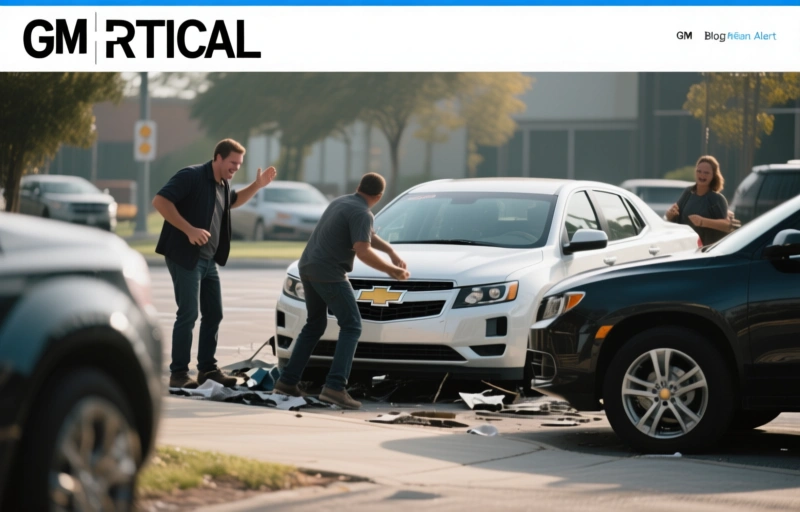
GM announces recall of over 80,000 Chevrolet vehicles due to serious pedestrian safety concerns. Critical information for recall professionals managing notification, repair logistics, and compliance.
Hey there, recall professionals. Let's talk about something that just landed on our collective radar. It's one of those moments that reminds us why our work matters so much.
GM just announced a recall affecting over 80,000 Chevrolet vehicles. The reason? A serious pedestrian safety risk. We're not talking about minor inconveniences here. This is the kind of issue that keeps people like us up at night, because it hits at the very heart of what we're trying to prevent.
### What's Actually Happening Here?
So here's the breakdown. General Motors is recalling specific Chevy models due to a defect that could increase the risk to pedestrians. The exact technical details are still coming through official channels, but the core message is clear: there's a potential for these vehicles to fail in protecting people outside the car.
Think about that for a second. We spend so much time focused on occupant safety—airbags, seatbelts, crumple zones. But pedestrian safety? That's a whole different ballgame. It's about what happens when our vehicles interact with the most vulnerable road users.
### Why This Recall Matters More
Here's what makes this situation particularly noteworthy:
- **Scale**: 80,000+ vehicles isn't a small batch. That's a significant population on the roads.
- **Risk Level**: When they say "serious pedestrian safety risk," they're not mincing words. This isn't about cosmetic issues or minor malfunctions.
- **Timing**: These recalls always come with that urgent timeline—get vehicles fixed before something happens.
You know how this goes. The notification process kicks in, dealerships get the technical service bulletins, and the repair procedures get distributed. But between all those steps, there are real vehicles on real roads with real people around them.
### The Human Element Behind the Numbers
Let me share something I've learned over the years. Behind every recall number, there are human stories. There are families driving these Chevys to soccer practice. There are delivery drivers using them for work. There are pedestrians crossing streets, completely unaware that a particular vehicle might not respond as designed.
> "Safety recalls aren't about blaming—they're about fixing. They're the system working as it should, catching problems before they become tragedies."
That's the perspective we need to maintain. This isn't about pointing fingers at GM. Actually, it's quite the opposite. It's about acknowledging that even with all our advanced engineering and testing, sometimes issues slip through. And when they do, the responsible thing is exactly what's happening here: identify, notify, and fix.
### What This Means for Your Work
If you're handling this recall or similar ones, here's what you're probably thinking about right now:
- Communication strategies for affected owners
- Parts availability and logistics
- Technician training on the specific repair
- Tracking completion rates
- Documenting everything meticulously
You're also probably considering the ripple effects. How does this interact with other active recalls? What about used car sales? Rental fleets? The questions multiply quickly, don't they?
### Looking at the Bigger Picture
Here's where I want to take a brief tangent. We're seeing more focus on pedestrian safety across the industry. Advanced driver assistance systems, better lighting, pedestrian detection technology—it's all moving in this direction. This recall, while concerning, fits into that larger narrative of the industry trying to do better.
The challenge? Balancing urgency with accuracy. Moving quickly enough to protect people, but carefully enough to ensure the fix actually works. It's that delicate dance we all know too well.
### Final Thoughts for the Front Lines
To everyone managing this on the ground: you've got this. The processes exist for a reason. The systems are in place. Your expertise in executing them matters more than ever.
Remember why we do this work. It's not just about compliance or avoiding lawsuits. It's about that pedestrian who gets to go home tonight because a potential hazard was identified and addressed. It's about the family that continues their road trip safely. It's about trust—the trust that people place in their vehicles, and by extension, in all of us who work to keep those vehicles safe.
So take a deep breath. Review your procedures. Communicate clearly. And let's get these vehicles fixed. Because at the end of the day, that's what we're here to do—make things right when they go wrong, one vehicle at a time.