GM Recalls 40K Brake Fluid Bottles Over Contamination Risk
Wouter Smit ·
Listen to this article~4 min
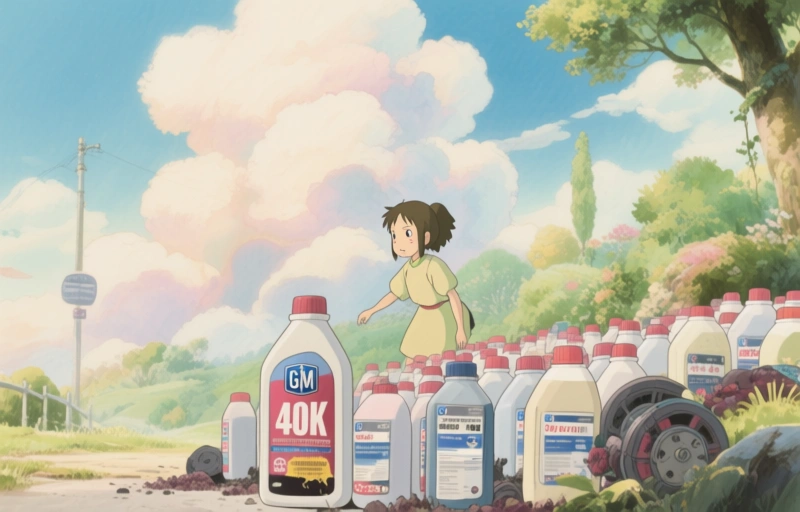
GM recalls 40,000 brake fluid bottles due to contamination that could reduce stopping power. Learn how to check if your bottle is affected and what to do next to stay safe.
General Motors has issued a recall for roughly 40,000 bottles of brake fluid that may be contaminated with debris. If you've recently bought GM brake fluid, this could be a serious safety issue for your car's stopping power.
Brake fluid is the lifeblood of your vehicle's braking system. When it's contaminated with particles or moisture, it can lead to reduced braking performance, longer stopping distances, and even complete brake failure in extreme cases. GM is recalling specific batches of its own-branded brake fluid sold at dealerships and parts counters.
### What's Going On With the Contaminated Brake Fluid?
The recall centers on brake fluid bottles that may contain foreign materials. These contaminants can clog the brake system's narrow passages, including the anti-lock braking system (ABS) module and caliper pistons. Over time, this can cause uneven braking, a spongy brake pedal, or a complete loss of hydraulic pressure.
GM first became aware of the issue after receiving customer complaints about brake performance issues. An investigation revealed that a supplier had introduced particles into the fluid during manufacturing. The company is now working to remove affected bottles from shelves and notify customers who may have purchased them.
### How to Check If Your Brake Fluid Is Affected
If you've recently bought brake fluid from a GM dealership or an authorized parts retailer, you should check the lot number on the bottle. The recall covers specific production dates and batch codes. You can do this by:
- Looking for a sticker or stamped code on the bottle's label
- Visiting GM's recall website and entering the lot number
- Contacting your local GM dealership for a free inspection
If your bottle is part of the recall, do not use the fluid. Return it to the dealership for a full refund or replacement. Do not attempt to use contaminated fluid, even if you think it might be safe.
### Why This Matters for Your Safety
Brake fluid is hygroscopic, meaning it absorbs moisture from the air. When it's already contaminated with particles, the risk of corrosion inside your brake lines increases dramatically. This can lead to expensive repairs down the road, not to mention the immediate danger of reduced stopping power.
For context, a car traveling at 60 miles per hour needs about 120 feet to stop under normal conditions. Contaminated brake fluid can double that distance, turning a routine stop into a potential collision.
### What Should You Do Next?
First, don't panic. Most GM brake fluid on the market is perfectly safe. But if you've purchased a bottle recently, take a few minutes to check the lot number. It's a small step that could prevent a big problem.
Second, if you've already used the fluid in your car, have a mechanic flush the system. This removes any contaminated fluid and ensures your brakes work properly. GM will cover the cost of this service under the recall.
Finally, stay informed. Car recalls happen more often than you think. Using a reliable recall check service can help you catch issues like this before they become dangerous. Whether it's for brake fluid, airbags, or engine components, knowing what's affected on your vehicle is key to staying safe on the road.
### The Bottom Line
GM's recall of 40,000 contaminated brake fluid bottles is a reminder that even routine maintenance items can pose risks. By checking your brake fluid and staying proactive about recalls, you're protecting yourself and your passengers. Don't wait for a problem to find you.