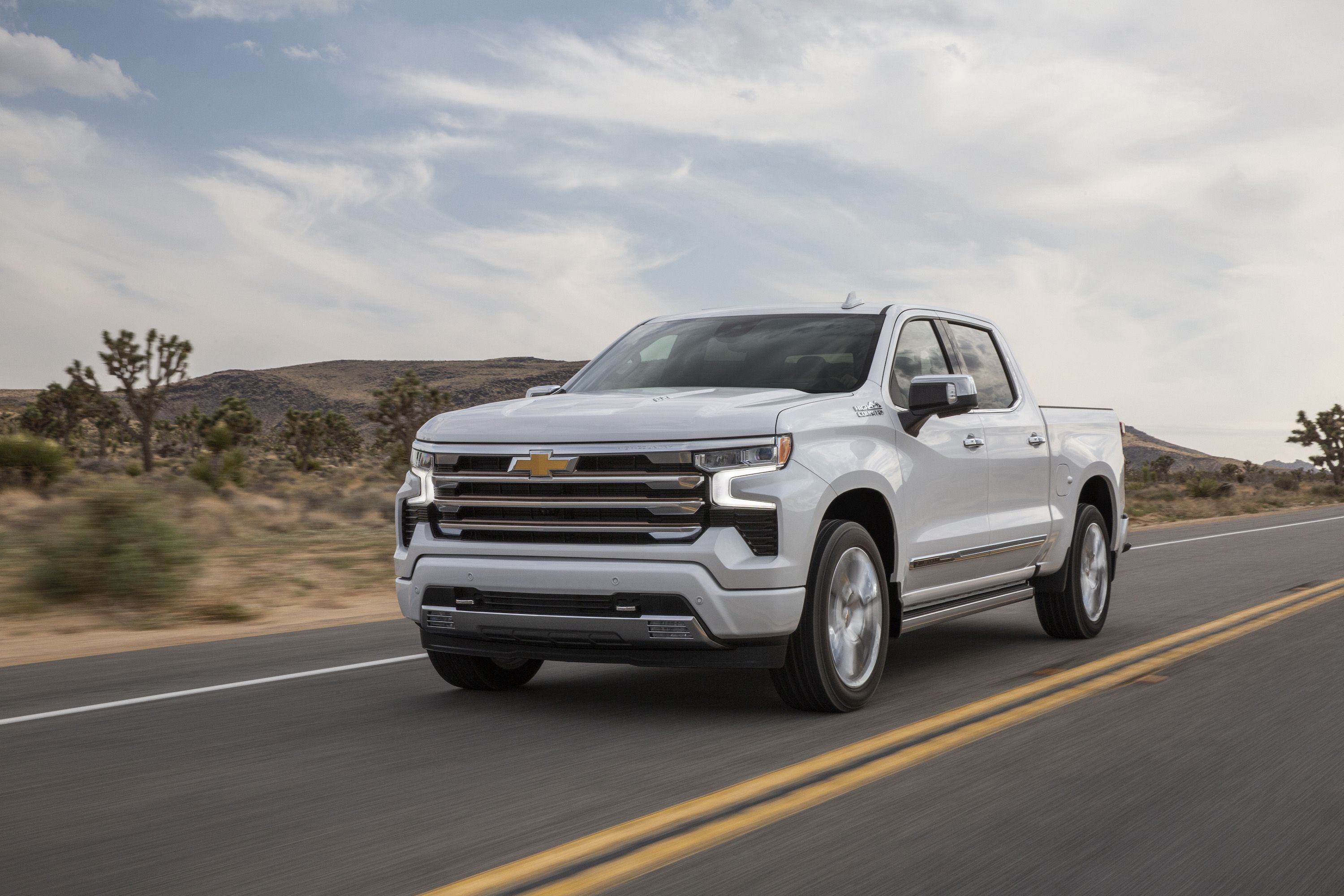
GM's recall fix for its L87 6.2L V-8 engines isn't working. NHTSA reports hundreds of failures after the repair, prompting a new federal safety investigation into ongoing catastrophic engine issues.
Here's something that might keep you up at night if you're a GM truck or SUV owner. Despite General Motors issuing what was supposed to be a definitive remedy for its problematic L87 6.2-liter V-8 engines, the National Highway Traffic Safety Administration (NHTSA) has received reports that hundreds of these engines have failed—even after the fix was applied.
That's right. The repair that was meant to solve the problem didn't. And now, a federal safety investigation is officially open, digging into why these expensive powerplants, found in popular models like the Chevrolet Silverado and GMC Sierra, continue to have catastrophic failures.
### What's Really Going Wrong with These Engines?
Let's break this down simply. The L87 engine is a high-performance V-8. It's the kind of engine you pay a premium for, expecting robust power and reliability. The original issue involved something called "excessive oil consumption," which can lead to severe internal damage if left unchecked.
GM's initial recall and remedy involved a software update and, in some cases, physical repairs. The idea was to monitor and manage the engine's operation to prevent the conditions that lead to failure. But the reports to NHTSA tell a different story.
- **Post-Fix Failures:** Owners who had the recall work performed are still experiencing complete engine failures.
- **Costly Consequences:** Replacing one of these engines can cost a vehicle owner well over $10,000 out of pocket if not covered under warranty.
- **Safety Implications:** A sudden engine failure while driving, especially at highway speeds, poses a significant safety risk to the driver and others on the road.
This isn't just an inconvenience. It's a major financial burden and a serious safety concern that, according to the data, hasn't been resolved.
### Why This Investigation Matters to Every Car Owner
You might be thinking, "I don't own a GM truck, so this doesn't affect me." But here's the thing—this situation highlights a critical flaw in our automotive safety net. It calls into question the entire recall and remedy process. If a fix issued by a major manufacturer under a federal safety recall doesn't work, what confidence can we have in other recalls?
It puts the onus back on you, the vehicle owner and professional, to be proactive. You can't just assume a recall notice means the problem is solved for good. This case shows that sometimes, the first fix isn't the final fix.
As one industry insider recently noted, "A recall is only as good as the remedy. When the remedy fails, it erodes trust in the entire system."
### What Should You Do If You Own an Affected Vehicle?
First, don't panic. But do take action. If you own a vehicle equipped with this engine—primarily certain 2021-2023 model year full-size trucks and SUVs—you need to stay informed.
1. **Check Your VIN:** Use the NHTSA website to see if your specific vehicle is included in the investigation or any new recalls. Don't rely on old mailers.
2. **Monitor Symptoms:** Be hyper-aware of warning signs like the check engine light, unusual knocking sounds, or noticeable oil loss between changes.
3. **Document Everything:** Keep meticulous records of all repairs, communications with the dealer, and symptoms. This paperwork is crucial.
4. **Report Problems:** If you experience an issue, especially after a recall repair, report it directly to NHTSA. Your report adds to the data that fuels these investigations.
The bottom line is this: trust, but verify. The GM V-8 investigation is a stark reminder that in the world of automotive safety, vigilance is a permanent requirement. The system is designed to protect us, but it only works when all the parts—manufacturers, regulators, and owners—do their jobs correctly. Right now, for hundreds of GM owners, that system appears to have broken down. Again.