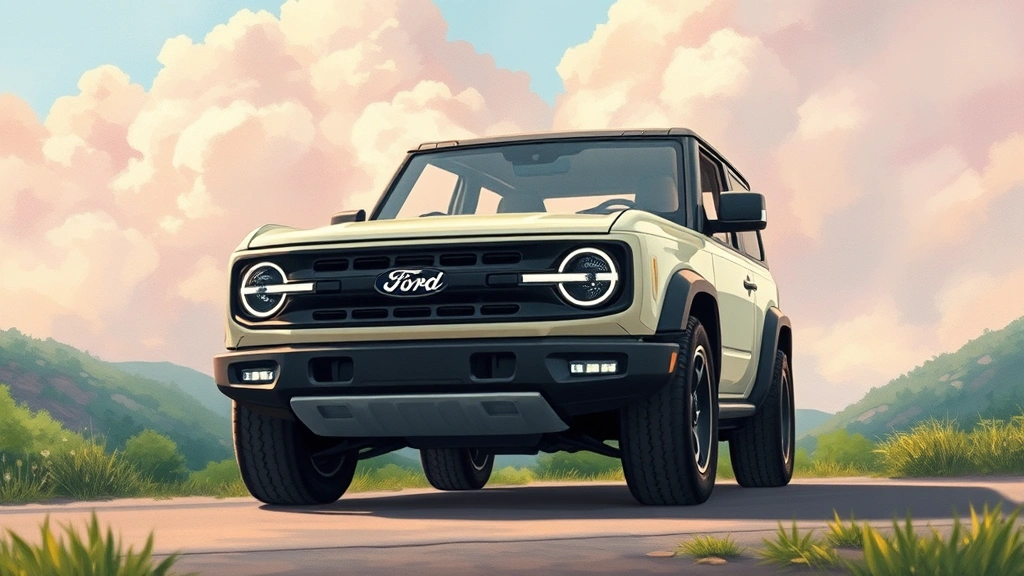
Ford issues a 'do not drive' advisory for certain Bronco Sport and Maverick models due to a rear suspension defect that could cause loss of control. Owners should check their VIN and park their vehicles immediately.
Ford has just dropped a serious warning for owners of certain Bronco Sport and Maverick models. The automaker is telling drivers to stop driving their vehicles immediately due to a dangerous suspension defect. This isn't a minor recall—it's a "do not drive" advisory, which is about as urgent as it gets. If you own one of these vehicles, you need to pay attention.
### What's the Problem?
The issue is with the rear suspension on select 2021-2023 Bronco Sport and 2022-2023 Maverick models. According to Ford, the rear shock absorbers can fail, leading to a loss of vehicle control. That's not something you want to experience on the highway or even in your neighborhood. The defect could cause the rear suspension to detach, making the car unsafe to drive.
Ford has received reports of accidents linked to this problem, though no injuries have been confirmed. Still, the company isn't taking any chances. They're asking owners to park their vehicles and contact dealerships for a free repair.
### What Should You Do?
If you own one of these models, here's your action plan:
- **Check your VIN**: Use Ford's recall lookup tool on their website to see if your specific vehicle is affected.
- **Stop driving immediately**: If your car is on the list, don't wait. Park it until the fix is applied.
- **Contact a dealer**: Ford will replace the rear shock absorbers at no cost to you. Some dealers may even offer to pick up your vehicle.
- **Stay informed**: Sign up for recall alerts from the National Highway Traffic Safety Administration (NHTSA) to stay on top of future issues.
> "A rear suspension failure could cause you to lose control of your vehicle, increasing the risk of a crash." — Ford's official statement on the recall.
### Why This Matters
Recalls happen all the time, but a "do not drive" advisory is rare. It means the risk is immediate and serious. For Bronco Sport and Maverick owners, this is especially concerning because these are popular models. The Bronco Sport is a compact SUV loved for its off-road capability, while the Maverick is a fuel-efficient pickup that's been a hit with buyers. If you own one, you're likely relying on it for daily commutes, errands, or even work. Parking it is inconvenient, but it's better than risking a crash.
Ford is working to fix the problem quickly, but parts may be in short supply. The company says they'll prioritize repairs based on risk, so some owners may have to wait longer than others. In the meantime, consider alternative transportation—borrow a friend's car, use public transit, or rent a vehicle if needed.
### How to Stay Safe
This isn't the first recall for Ford this year, and it won't be the last. The best way to protect yourself is to stay proactive:
- **Check for recalls regularly**: Visit the NHTSA website or use a third-party recall check service. Many are free and easy to use.
- **Keep your contact info updated**: Dealers use your registration to notify you of recalls. If you've moved, update your address with the DMV.
- **Don't ignore warnings**: If you get a recall notice in the mail, take it seriously. Even minor issues can become dangerous over time.
- **Ask questions**: When you take your car in for service, ask the dealer if there are any open recalls. They can check your VIN and schedule repairs.
### The Bottom Line
Ford's "do not drive" advisory is a big deal. If you own a Bronco Sport or Maverick, don't brush it off. Check your VIN, stop driving, and get the repair done as soon as possible. It's a hassle, sure, but it's nothing compared to the cost of an accident. And if you're in the market for a used car, always run a recall check before buying. It could save you a lot of trouble down the road.
Stay safe out there, and remember: a little inconvenience now is way better than a major repair bill—or worse—later.