Ford Reverses Course on Recalled Engine Replacement
Wouter Smit ·
Listen to this article~4 min
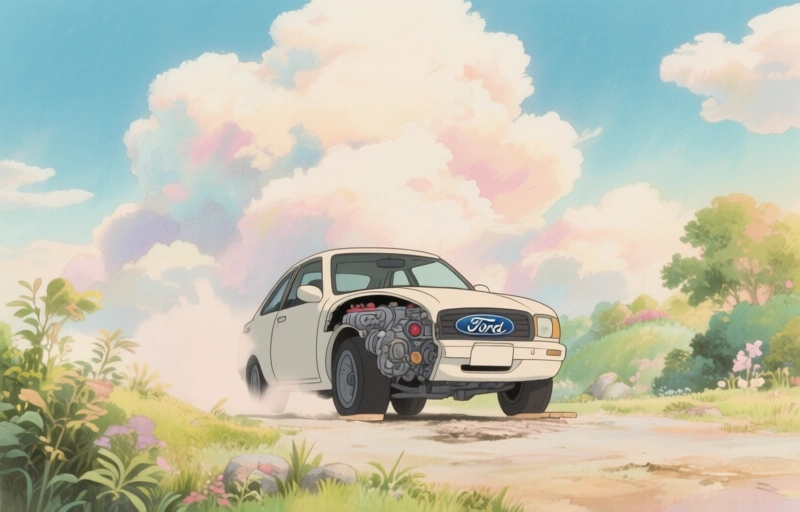
Ford initially refused to replace a recalled engine for a customer, then reversed its decision. This case underscores why automotive professionals must implement rigorous, proactive recall check systems to protect clients and avoid liability.
So, here's a story that really makes you think about how important it is to stay on top of vehicle recalls. Ford initially told a customer they wouldn't replace a recalled engine. Then, they changed their mind. It's a perfect example of why you can't just assume everything's been taken care of, even by a major manufacturer.
This situation highlights a critical point for automotive professionals. Recalls aren't always handled smoothly from the start. Sometimes, persistence and knowing your rights are what get results for your clients. It's a reminder that our role often involves being that knowledgeable advocate.
### Why This Case Matters for Your Business
When a giant like Ford makes a public reversal, it sends ripples through the industry. It shows that even the most established protocols can have cracks. For professionals who deal with fleet management, used car sales, or client advisories, this isn't just a news blip. It's a case study.
You need to have systems in place to check for recalls on every single vehicle you touch. A missed recall isn't just a liability; it's a failure in your duty of care. This Ford incident proves that the initial answer from a manufacturer isn't always the final one.

### The Real Cost of Ignoring Recalls
Let's talk numbers for a second. An engine replacement like the one in this case could easily run into the thousands of dollars. We're talking $8,000, $10,000, or even more depending on the model. That's a financial hit no business or client wants to absorb unnecessarily.
But beyond the dollar amount, there's the safety risk. An unrepaired recall is a potential accident waiting to happen. The reputational damage from being associated with that? That's incalculable. Protecting your clients from that risk is a core part of your professional value.
### How to Build a Bulletproof Recall Check Process
You can't leave this to chance. Relying on owners to get mailers or see news stories isn't a strategy. You need a proactive, repeatable process. Here's a simple framework to start with:
- **VIN is King:** Every check starts with the Vehicle Identification Number. No exceptions.
- **Use Official Tools:** The National Highway Traffic Safety Administration (NHTSA) website is your free, authoritative source.
- **Check at Multiple Touchpoints:** Integrate recall checks into purchase inspections, routine service visits, and pre-delivery checks.
- **Document Everything:** Keep a record of every check performed, the date, and the result. This is your paper trail.
As one industry veteran put it, "A recall check isn't a task; it's a non-negotiable line item in the workflow." That mindset shift is crucial.
### Turning Recall Management into a Service Advantage
Here's the opportunity. Most consumers and many smaller shops find the recall process confusing. They don't know where to look or how to follow up. You can turn this complexity into a clear service advantage.
Offer recall verification as a standard part of your consultation. Provide clients with a simple, plain-English report. Guide them through the repair scheduling process with the dealership. You're not just checking a box; you're providing peace of mind and demonstrating expertise.
The Ford story is a wake-up call. It reminds us that vigilance is permanent. By implementing rigorous, consistent recall checks, you protect your clients, safeguard your business, and solidify your reputation as a true professional who doesn't miss the critical details. That's how you build trust that lasts.