Ford Recalls 4.3M Trucks: Trailer Software Glitch Explained
Wouter Smit ·
Listen to this article~4 min
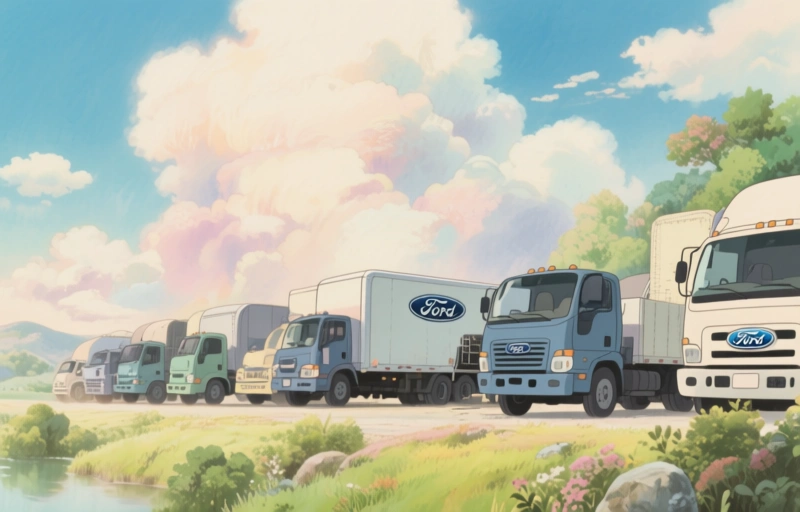
Ford's massive recall of 4.3 million trucks addresses a critical trailer brake controller software glitch. Learn which models are affected, the safety risks, and what steps owners need to take immediately.
So, you might have heard the news. Ford just issued a massive recall. We're talking about 4.3 million trucks. That's a staggering number, isn't it? It feels like every other pickup on the road could be affected. The reason? A software glitch in the trailer brake controller. It sounds technical, but the implications are very real for anyone who tows.
Let's break it down. This isn't about a physical part breaking. It's code. A line of software that didn't behave as expected. For professionals who rely on their trucks daily, this kind of news hits differently. Your vehicle isn't just transportation; it's your livelihood. A fault in the trailer brake system isn't a minor inconvenience—it's a potential safety hazard for you, your cargo, and everyone sharing the road.
### What Exactly Is The Problem?
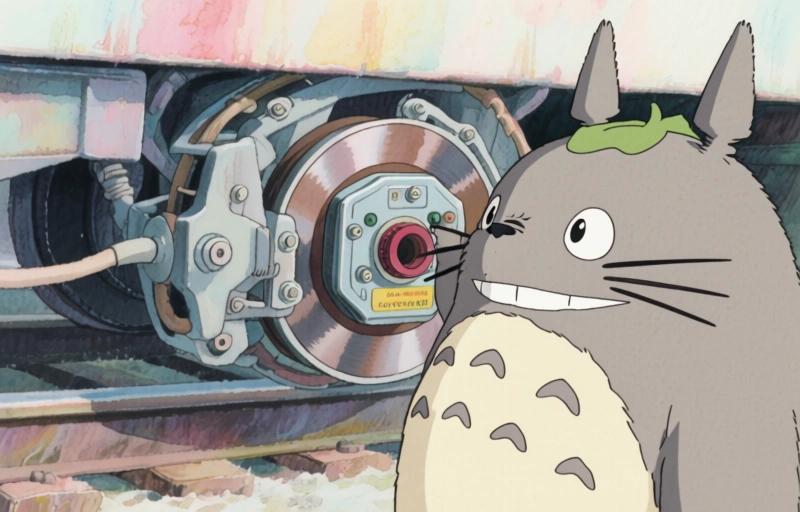
The recall centers on the integrated trailer brake controller. This is the system that manages your trailer's brakes when you hit the pedal in your truck. The software glitch can cause the system to unexpectedly apply the trailer brakes *without* the driver's input. Imagine cruising down the highway at 65 miles per hour and suddenly your trailer starts braking on its own. That's a recipe for a loss of control, a jackknife situation, or a rear-end collision. It's the kind of silent, digital failure that keeps safety engineers up at night.
### Which Ford Trucks Are Affected?
The scope is huge, covering some of Ford's most popular and trusted workhorses. If you drive one of these, you need to pay attention:
- 2021-2023 Ford F-150
- 2022-2023 Ford F-250, F-350, F-450, and F-550 Super Duty trucks
- 2022-2023 Ford Expedition and Lincoln Navigator SUVs
That's over four million vehicles. If your truck is in this range, you'll be getting a notification from Ford. Don't ignore it.
### What Should You Do Right Now?
First, don't panic. But do take it seriously. Here's your action plan:
- **Check for a recall notice.** You can use the NHTSA website or Ford's own recall lookup tool by entering your Vehicle Identification Number (VIN).
- **Contact your dealer.** Once the recall is officially active, they will perform a software update. This service should be completely free of charge.
- **Be extra cautious when towing.** Until the fix is applied, be aware of the potential for erratic braking. Increase your following distance and stay alert.
> "A recall this size shows how interconnected our vehicles have become. Software is now as critical as steel," notes Wouter Smit, an innovation consultant. "It underscores why regular system checks are part of modern vehicle stewardship."
### Why This Matters for Automotive Pros
For professionals in the industry, this recall is a case study. It highlights the growing role of software in vehicle safety and the cascading effects of a single bug. It also stresses the importance of robust recall check services. Knowing instantly if a vehicle in your fleet or one you're servicing is under a safety recall isn't just good practice—it's a liability shield and a duty of care.
The fix, thankfully, is straightforward. Dealers will reprogram the trailer brake control module with updated software. It's not a parts replacement, which means it should be a relatively quick process. But with millions of trucks needing the update, scheduling an appointment sooner rather than later is a smart move.
In the end, recalls happen. Even to the best brands. What defines a company is its response. A proactive, transparent recall to fix a safety issue is always the right move. For truck owners, the message is clear: get the update, restore your confidence, and get back to work safely.