Ford Puma Recall: Drive Shaft Risk and What to Do
Wouter Smit ·
Listen to this article~5 min

Ford recalls 12,782 Puma vehicles over a possible break in the front drive shaft inner joint, risking loss of drive. Learn how to check your VIN and get a free repair at an authorized dealer.
Ford has issued a recall for 12,782 Puma vehicles built between September 5, 2025, and February 9, 2026. The issue? A possible break in the inner joint of the right-hand front drive shaft. That might sound like technical jargon, but here's what it means for you: if that joint fails, your car could lose drive power entirely. And that's not just inconvenient—it's a serious safety risk, especially at highway speeds.
### What's Going Wrong With the Drive Shaft?
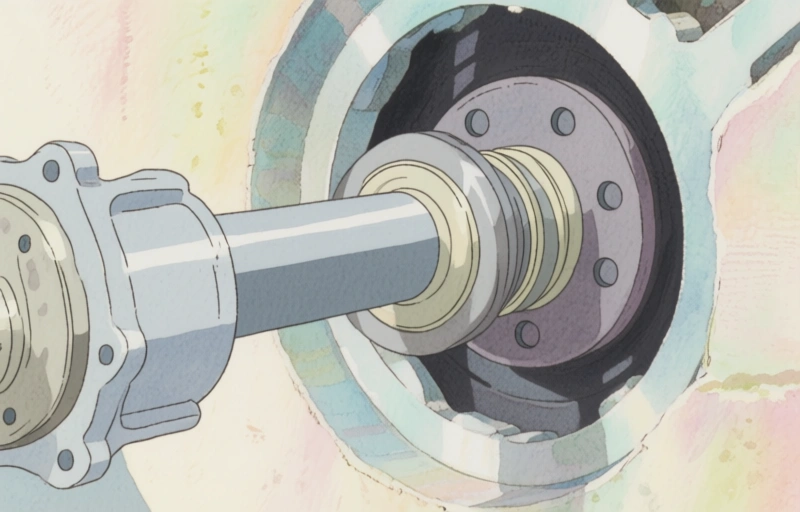
The drive shaft is the part that transfers power from your engine to your wheels. In this case, the inner joint on the right side might be faulty. Over time, or under stress, it could snap. Imagine driving down a busy interstate at 70 miles per hour, and suddenly your front wheel stops getting power. You'd lose acceleration, and steering could become unpredictable. That's the kind of scenario Ford is trying to prevent.
Ford hasn't released exact failure rates yet, but they're acting proactively. They're asking owners to bring their Puma to an authorized dealership. There, mechanics will inspect the drive shafts and replace any that look suspect. The repair is free, and it usually takes a few hours.
### How to Check if Your Puma Is Affected
Not every Ford Puma from that production window has the problem. Only certain VINs (vehicle identification numbers) are included. Here's how to find out if yours is one of them:
- Look for your VIN on your dashboard near the windshield or on your registration documents.
- Visit Ford's official recall lookup page (use a nofollow link if you're linking out).
- Enter your VIN and check for open recalls.
- You can also call your local Ford dealer with your VIN.
If your car is part of the recall, you'll get a letter in the mail. But don't wait for that. If you own a 2025 or 2026 Puma, check now. It's better to be safe.
### What to Expect at the Dealership
Once you schedule an appointment, here's the process:
1. The dealer verifies your VIN against the recall list.
2. A technician inspects both front drive shafts, focusing on the inner joint.
3. If they find any cracks, wear, or potential failure, they replace the entire shaft assembly.
4. If everything looks fine, they might still apply a reinforcement or just release the car.
Most dealers will complete the work in under two hours. And because it's a safety recall, you won't pay a dime. Ford covers parts and labor.
### Why This Recall Matters for Your Safety
A loss of drive isn't just a breakdown. It's a hazard. If you're merging onto a freeway or crossing an intersection, losing power suddenly could lead to a crash. That's why recalls like this exist—to fix problems before they cause accidents.
"Safety recalls are a normal part of vehicle ownership," says Wouter Smit, an innovation consultant. "What matters is how quickly manufacturers respond. Ford's move here is a good sign."
Still, it's up to you to take action. Ignoring a recall notice puts you and others at risk. And in some states, you could face issues with registration or resale if open recalls aren't addressed.
### Other Recalls to Watch For
This isn't the only Ford recall in recent months. The company has also issued recalls for brake issues in some Explorer models and airbag problems in older F-150s. If you own any Ford vehicle, it's worth checking for recalls every few months.
You can do that through the National Highway Traffic Safety Administration (NHTSA) website. Just enter your VIN, and they'll show all open recalls for your car. It's free and takes less than a minute.
### Final Thoughts
Recalls can feel like a hassle, but they're really just a safety net. Ford caught this drive shaft issue early, and they're fixing it at no cost to you. The key is to act quickly. Check your VIN, schedule a visit, and get the repair done. Your car—and your peace of mind—will thank you.
If you have questions, your local dealer is the best resource. They can walk you through the process and answer any concerns. Don't put it off. A few hours at the shop could save you from a much bigger problem down the road.