Ford, Lincoln Recall 4M Vehicles for Trailer Safety Issues
Wouter Smit ·
Listen to this article~5 min
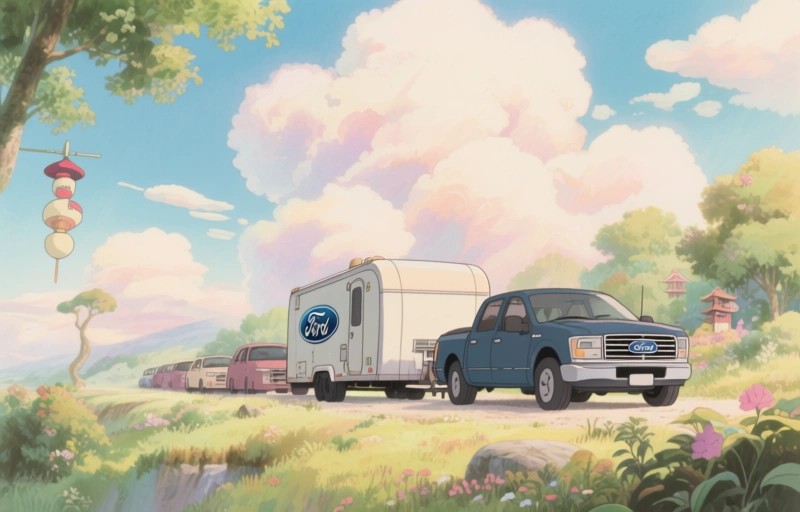
A major recall affects over 4 million Ford and Lincoln vehicles for trailer lighting and brake system failures. Learn which models are involved, the safety risks, and the crucial steps to check your VIN and get a free repair.
Hey there. So you've probably heard about the massive Ford and Lincoln recall that's been making headlines. It's a big one—affecting over 4 million vehicles across the United States. The issue? Trailer lighting and braking systems that could fail, creating a serious safety hazard on the road.
It's the kind of news that makes you pause. If you own one of these vehicles, or if you're a professional who deals with fleet safety, this isn't just another news item. It's a call to action. Let's break down what this means and, more importantly, what you should do about it.
### What Vehicles Are Affected?
The recall spans several popular models from the 2014 to 2023 model years. We're talking about a huge number of trucks and SUVs that are commonly used for towing. Think Ford F-150s, Super Duty trucks, Expeditions, and Lincoln Navigators. If you drive one of these and you ever hook up a trailer, this recall directly concerns you.
The core problem is with the trailer brake control module and the wiring for the trailer lights. In simple terms, the system might not communicate properly with your trailer. This could mean your trailer's brake lights or turn signals don't work, or worse, the trailer brakes themselves might not engage when you need them to.
### Why This Recall Matters for Professionals
For safety professionals and fleet managers, this isn't a minor glitch. It's a critical failure point. A trailer without proper lighting is a major collision risk, especially at night or in bad weather. And brakes that don't function? That's a recipe for disaster, potentially leading to loss of control or a rear-end collision.
Imagine you're managing a fleet of work trucks. One of these vehicles towing equipment on the highway experiences this failure. The liability and risk are enormous. It underscores why proactive recall checks aren't just paperwork—they're a fundamental part of operational safety.
### How to Check If Your Vehicle Is Included
First, don't panic. But do act. The easiest way to check is to use your Vehicle Identification Number (VIN). You can find this 17-character number on your driver's side dashboard, visible through the windshield, or on your registration documents.
Head over to the official National Highway Traffic Safety Administration (NHTSA) website. They have a dedicated recall lookup tool that's free to use. Just plug in your VIN. It'll tell you instantly if your specific vehicle has any open recalls, including this one.
You can also contact a Ford or Lincoln dealership directly. They can run your VIN and give you the official status. If your vehicle is part of the recall, the repair will be performed at no cost to you. That's right—the fix is free.
### Steps to Take If You're Affected
So your vehicle pops up on the list. What's next? Here's a simple action plan:
- **Stop towing immediately.** Until the repair is complete, do not use the vehicle to pull any trailer, camper, or other towed load.
- **Contact your local dealer.** Schedule an appointment for the recall service. The remedy involves inspecting and, if necessary, replacing the trailer brake control module and updating software.
- **Get confirmation.** Once the work is done, make sure you receive documentation that the recall has been completed. Keep this for your records.
As one industry expert recently noted, "Recalls of this scale highlight the interconnected nature of modern vehicle safety. A system designed for convenience, like integrated trailer controls, must be as reliable as the vehicle's primary brakes."
### The Bigger Picture on Vehicle Recalls
This Ford-Lincoln situation is a powerful reminder. Recalls happen. Even to the biggest brands. The key isn't to avoid them—that's impossible. The key is to know about them and address them promptly.
For professionals, establishing a routine recall check protocol is non-negotiable. Whether it's for a single personal vehicle or a fleet of hundreds, staying informed is your first line of defense. Use the tools available, set calendar reminders for quarterly checks, and never assume a vehicle is clear just because you haven't gotten a letter in the mail.
Sometimes notifications get lost in the mail or go to a previous owner. Taking a few minutes to check online can give you peace of mind and, more importantly, keep everyone on the road safer. After all, that's what it's all about, isn't it?