Electric Vehicle Recalls: Battery Fire Risks & How to Check
Wouter Smit ·
Listen to this article~4 min
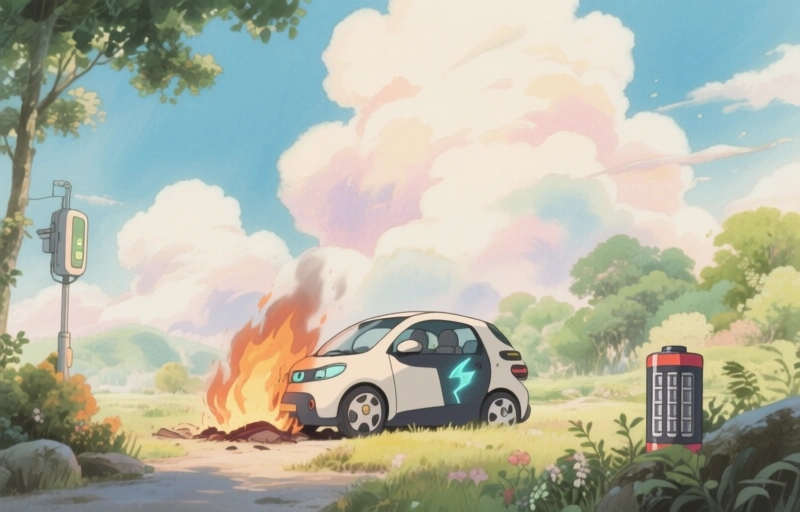
A major electric vehicle recall highlights critical battery fire risks. Learn how safety recalls work and the essential steps every automotive professional should take to protect clients.
Hey there. So you've probably heard the news – thousands of electric vehicles getting recalled over battery fire risks. It's enough to make anyone pause, right? We're talking about a major safety move happening right now, and it highlights something crucial for every car owner, especially professionals in the field.
It's not just a distant headline. This kind of recall underscores why staying on top of vehicle safety notices isn't just good practice; it's essential. Let's break down what this really means for you and the drivers you advise.
### Why Battery Recalls Are a Big Deal
Battery fires in EVs are a different beast than traditional engine fires. They can be incredibly intense and difficult to extinguish. When a manufacturer issues a recall for something this serious, it means they've identified a potential defect that could lead to overheating, smoke, or even a thermal runaway event.
The goal is always prevention. Getting the vehicle inspected and, if needed, repaired before any incident occurs. It's a proactive step, but it only works if owners are informed and take action.
### How Recalls Typically Work
The process usually starts with the manufacturer or the National Highway Traffic Safety Administration (NHTSA). They identify a safety defect. Then, they're required by law to fix it at no cost to the owner. You'll get a notification in the mail, but let's be honest – mail gets lost, people move, and sometimes those notices don't get through.
That's where proactive checking comes in. It's the safety net. For professionals, recommending regular recall checks is part of providing top-tier service. It builds trust and genuinely protects your clients.
### Your Go-To Checklist for Recall Information
Don't rely on the news or word of mouth. Here’s how you can get the definitive info, straight from the source:
- **Use the NHTSA Website**: Their recall lookup tool is the gold standard. You just need the Vehicle Identification Number (VIN).
- **Check Manufacturer Portals**: Most major automakers have their own recall lookup pages on their official sites.
- **Sign Up for Alerts**: The NHTSA offers email alerts for new recalls. It's a set-it-and-forget-it way to stay informed.
- **Consult with Authorized Dealers**: They have direct access to the latest service bulletins and recall campaigns for their brands.
As one industry insider put it, *“A recall isn't an indictment of a brand; it's a commitment to fixing a problem. The real risk is an owner who never hears about it.”*
### Turning Knowledge into Action
Knowing about a recall is step one. The critical step is getting the repair done. Remind clients that these fixes are free. There's no charge for parts or labor related to a safety recall. Schedule that appointment for them. Make it easy.
For electric vehicles specifically, these recalls often involve software updates or physical inspections of the battery pack and its cooling systems. The repairs are specialized, so they must be done by certified technicians.
### The Bigger Picture on Vehicle Safety
This recent event is a powerful reminder. Vehicle safety is a dynamic landscape. New technologies bring new challenges. For professionals, your value isn't just in fixing cars; it's in being a trusted source of information. You help navigate these issues, translating technical alerts into clear, actionable advice.
So, take this story as a prompt. Review your own processes for tracking recalls. Maybe set a quarterly reminder to check the major databases. The peace of mind you offer your clients is priceless, and in rare cases, it can be literally life-saving. That's the real job, isn't it?