The Chevy Express: How This Van Survived 30 Years Unchanged
Wouter Smit ·
Listen to this article~4 min

A friend's purchase of a Chevy Express reveals the surprising secret to this van's 30-year run: brutal simplicity and unwavering reliability in a world obsessed with constant change.
So, a friend of mine just bought a Chevy Express. Not a new one, mind you. A used one. And as we were looking it over in his driveway, it hit me. This thing is basically an automotive vampire. It's been around, looking almost exactly the same, for over three decades without a major redesign. That's a lifetime in car years.
It got me thinking. In a world where smartphones are obsolete after a year and cars get facelifts every few seasons, how does a vehicle like the Express just... keep going? It's a fascinating case study in simplicity, function, and maybe a little bit of stubbornness.
### The Unchanging Workhorse
Let's be clear. The Chevy Express isn't winning any beauty contests. Its design is about as exciting as a cardboard box. But that's kind of the point. It's a tool. For small businesses, tradespeople, and large families, it's a reliable, no-frills solution. You don't buy an Express because you want heated leather seats and a panoramic sunroof. You buy it because you need to move people or cargo from point A to point B, day after day, without drama.
Its survival speaks to a core truth: when something works, really works, there's less incentive to mess with it. The platform is proven. The parts are cheap and plentiful. Every mechanic in America knows how to fix one. That's a powerful value proposition that flashy new features can't always beat.
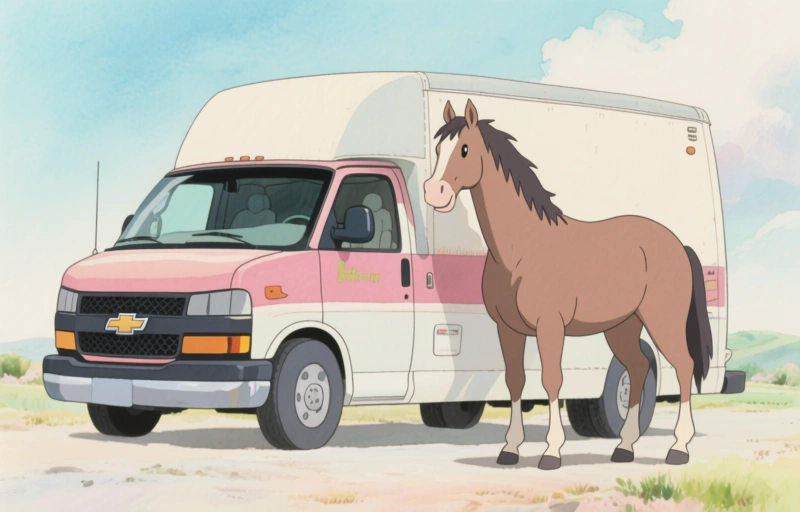
### Why "If It Ain't Broke" Still Applies
We live in an era of constant updates. But the Express is a reminder that not everything needs to be reinvented. Its longevity is built on a few key pillars:
- **Brutal Simplicity:** The interior is vinyl and plastic that you can hose out. The controls are basic. There's less to break.
- **Cost-Effective Operation:** With a starting price well under $40,000 for a new model, it's a budget-friendly entry into the full-size van market. Maintenance costs stay low thanks to that simple mechanical design.
- **Sheer Capability:** It can tow up to 10,000 pounds. You can fit 4x8 sheets of plywood flat in the cargo area. The passenger versions seat up to 15 people. It does the job.
As one longtime fleet manager told me, "We've tried other vans. They have more bells and whistles, but they also spend more time in the shop. The Express just runs."
That reliability is its secret weapon. While competitors focused on comfort and tech, Chevy kept the Express focused on being a durable asset. For a business owner, downtime is money lost. A van that's in the shop is a van that's not earning its keep.
### The Future of a Fossil
Now, the end is finally in sight. Production is slated to stop soon. But the Express's legacy is secure. You'll see these vans on the road for another 20 years, racking up miles. They've become ingrained in the fabric of American work life.
My friend's purchase wasn't about nostalgia. It was a practical decision. He needed a vehicle that could handle his landscaping equipment, could take a beating, and wouldn't bankrupt him in repairs. The 20-year-old Express he bought for a few thousand dollars checked every box.
Watching him drive off, I didn't see an outdated machine. I saw a testament to a different design philosophy. In a world obsessed with the new and shiny, the Chevy Express is a quiet, grumbling monument to getting the job done. It's the automotive equivalent of a trusted, well-worn leather tool belt. It might not be pretty, but you know it won't let you down when you need it most. And sometimes, that's the only feature that truly matters.