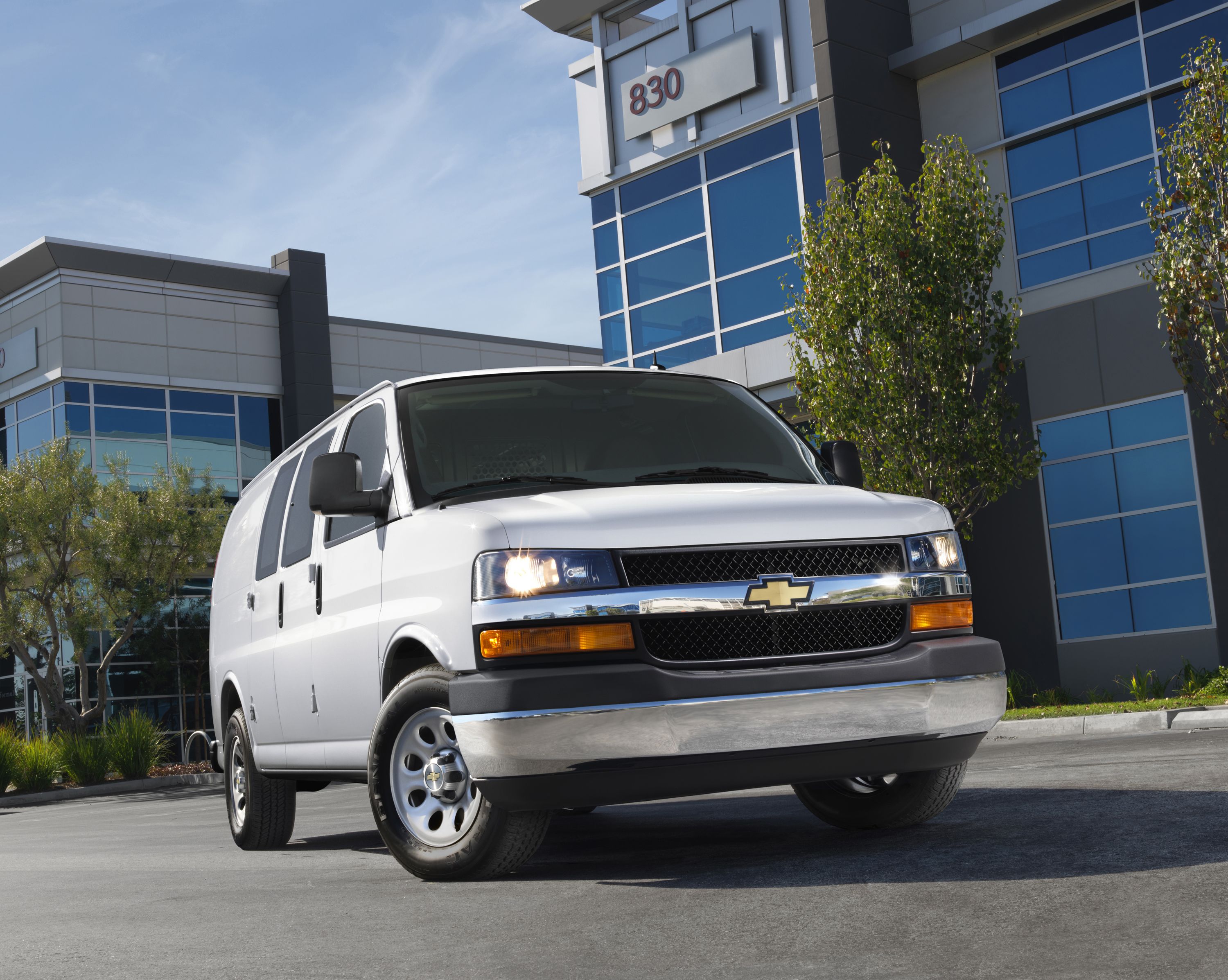
GM's aging commercial vans are getting a tech upgrade that's been standard in most other vehicles for over a decade—a touchscreen display. Here's what it means for fleets.
For years, the Chevy Express and GMC Savana have been the workhorses of American fleets. You see them everywhere—delivery trucks, shuttle buses, plumbing vans, and contractor rigs. They've been reliable, tough, and utterly unpretentious. But let's be honest: stepping inside one felt like stepping back in time. The dashboard was a relic, with physical buttons and a tiny screen that looked like it belonged in a 2005 sedan.
That's finally changing. GM's aging commercial vans are getting a tech upgrade that's been standard in most other vehicles for over a decade: a touchscreen display. It's a small step for the auto industry, but a giant leap for these utilitarian giants. If you're managing a fleet or just rely on one of these vans for your business, this matters more than you might think.
### What's New Inside the Cabin
The new touchscreen isn't just a gimmick. It brings the vans into the modern infotainment world, offering features that drivers have been begging for. Think of it as swapping a flip phone for a smartphone—same reliable core, but suddenly you can actually navigate, stream music, and use apps without a clunky aftermarket mount.
Here's what you can expect:
- A larger, crisper display that's easier to read at a glance
- Apple CarPlay and Android Auto compatibility for seamless phone integration
- Over-the-air updates, so the system stays current without a dealer visit
- Improved voice controls that actually understand your commands
- A cleaner layout that reduces driver distraction
For a van that's often driven for hours at a time, these features aren't luxury—they're practical tools. Navigating to a job site, checking traffic, or taking a hands-free call becomes safer and simpler.
### Why the Delay? And Why Now?
You might wonder why GM took so long. The answer is simple: these vans were designed for durability and low cost, not cutting-edge tech. The platform dates back to the early 2000s, and for years, fleet buyers prioritized price per mile over cabin amenities. A touchscreen was seen as an unnecessary expense that could break and cost money to replace.
But the market has shifted. Drivers expect connectivity, and fleets are discovering that modern tech improves efficiency and driver satisfaction. Plus, with more businesses relying on telematics and route optimization, a built-in screen that integrates with those systems is a no-brainer. GM is finally listening to what the market demands.
### The Impact on Resale Value
Here's a subtle but important benefit: resale value. Commercial vans hold their worth well because they're built to last. But a dated interior was starting to hurt their appeal. A used 2027 model with a touchscreen will be far more attractive to buyers than a similar van with an old radio. If you're planning to sell or trade in your van down the road, this upgrade could mean a few extra thousand dollars in your pocket.
### Should You Upgrade Your Fleet?
If you're running a business with older vans, you might be tempted to hold off. But consider this: the cost of adding a modern head unit aftermarket, plus installation and potential wiring issues, can easily add up. Getting it factory-installed is cleaner, more reliable, and covered by the warranty. Plus, the improved driver experience can reduce turnover—an often-overlooked cost in the logistics industry.
As one fleet manager put it: "My drivers used to complain about the vans being outdated. Now they're actually excited to get behind the wheel." That kind of morale boost is hard to measure, but it's real.
### The Bottom Line
The 2027 Chevy Express and GMC Savana are proof that you don't need a complete redesign to stay relevant. By adding a touchscreen, GM has addressed the biggest complaint about these workhorses without messing with what makes them great: their ruggedness, cargo space, and no-nonsense attitude. It's a thoughtful update that respects the past while embracing the future.
If you're in the market for a commercial van, this is the moment to pay attention. The tech gap is closing, and these vans are finally ready for the modern road ahead.