Cadillac Lyriq Recall: Software Fix for Display & Camera…
William Miller ·
Listen to this article~4 min
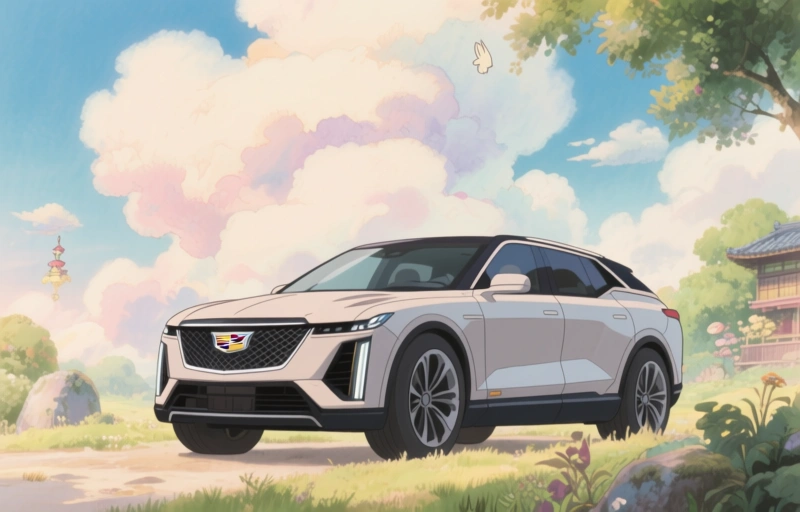
Cadillac recalls 47,846 Lyriq EVs due to software failures affecting the instrument display and rearview camera. The fix is a critical over-the-air update or dealer visit.
Hey there, fellow recall pros. Let's talk about the latest from Cadillac. It's a big one, and it hits right at the heart of modern vehicle tech. They've issued a recall for 47,846 Lyriq models. That's every unit built between August 24, 2022, and September 20, 2024. The core issue? Critical display and camera systems failing. We're not talking about a minor infotainment glitch here. This is the instrument cluster and the rearview camera—functions that are federally regulated for safety. It's the kind of thing that keeps us up at night, right?
### What's Actually Failing?
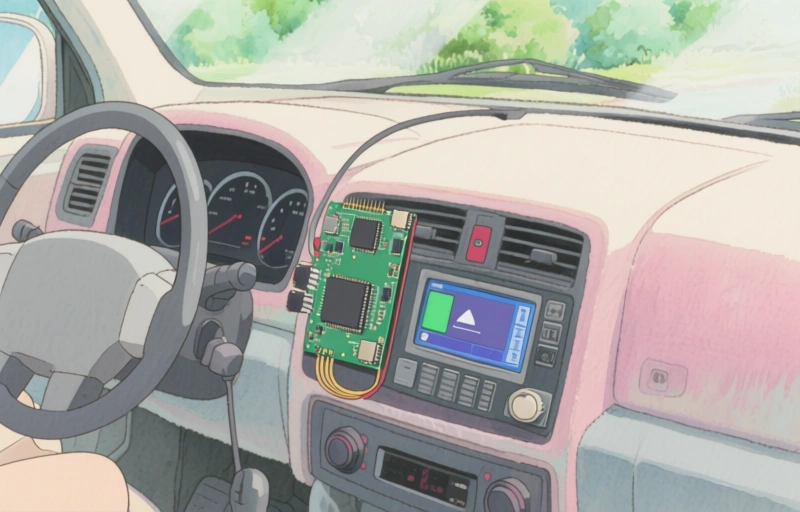
The problem centers on the vehicle's video display control module. Think of it as the brain behind the screens. When it malfunctions, it can take out multiple systems at once. The instrument display going dark means drivers lose access to speed, battery level, and warning lights. The rearview camera cutting out creates a massive blind spot. It's a dual failure that significantly impacts situational awareness. Cadillac's investigation points squarely at a software bug, not a hardware fault. That's both good and bad news, which we'll get into.
### The Fix: An OTA Update
Here's where it gets interesting. The remedy is a software update. Cadillac plans to push it wirelessly using over-the-air (OTA) technology. Owners won't necessarily have to visit a dealership. For professionals like us, this is becoming more common, but it's crucial to understand the process.
- The vehicle must be in a ready state, often meaning parked and connected to Wi-Fi.
- Owners will receive a notification to approve the installation.
- The update process can take significant time and shouldn't be interrupted.
But—and there's always a but—OTA isn't a magic bullet. What about vehicles in areas with poor connectivity? Or owners who ignore the notifications? That's where the alternative path comes in.

### The Dealer Alternative
For vehicles that can't or don't receive the OTA update, the fix requires a dealership visit. Technicians will manually flash the updated software to the video display control module. This ensures 100% coverage, which is our ultimate goal in any recall campaign. It's a more resource-intensive solution, but a necessary backup. Coordinating between the OTA push and dealer appointments is the logistical challenge here. Communication with owners needs to be crystal clear about their options.
### Why This Recall Matters
This isn't just another software patch. It's a reminder of how deeply software is woven into vehicle safety. A single line of faulty code can disable federally mandated equipment. As one industry insider recently noted, "The connected car era means recalls are increasingly digital, but the safety obligation remains physical."
For us managing these campaigns, it highlights new priorities. We need to track OTA completion rates just as diligently as dealer repair rates. We have to educate consumers on a process that feels like updating their phone, but carries real-world safety consequences. The Lyriq recall is a case study in modern automotive problem-solving. It's efficient, it's high-tech, but it still relies on old-fashioned thoroughness to ensure every single vehicle is made safe. That part of the job never changes, no matter how advanced the cars get.