Cadillac Simplifies 2027 Models: Badges and Designs Get…
Wouter Smit ·
Listen to this article~4 min
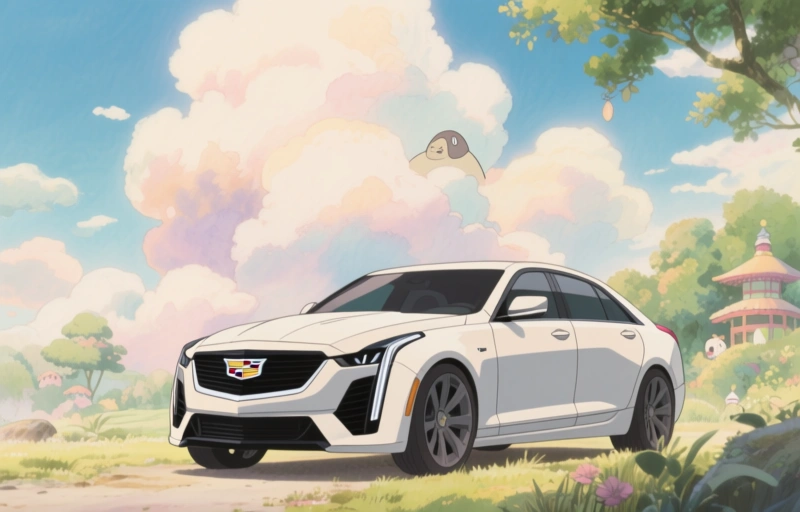
Cadillac is simplifying its 2027 models by removing confusing torque-based badges and distinctive graphics like the Vistiq's Mondrian window, aiming for clearer brand identity.
You know that feeling when you're trying to figure out what model a car is, and the badges just don't make sense? Cadillac's heard you. For their 2027 lineup, they're making a big move towards clarity. They're ditching some of those confusing design elements that had folks scratching their heads. It's a shift back to simplicity, and honestly, it feels pretty refreshing.
Let's talk about what's actually changing. The Vistiq electric SUV is losing its distinctive "Mondrian" rear-window graphic. That was the patterned glass that divided opinion. More significantly, those torque-based number badges are disappearing from the entire Cadillac range. You know the ones—they tried to tell a performance story with numbers, but for many buyers, it just added another layer of mystery.
### Why Cadillac is Streamlining Its Look
This isn't just a random design tweak. It's a strategic decision. In a crowded market, especially in the electric vehicle space, clear brand identity is everything. When a potential buyer sees a Cadillac, they should immediately recognize it as a Cadillac, not get stuck decoding badges. The move suggests a confidence in the core brand name to carry the weight, without needing extra alphanumeric explanations.
Think about it from the owner's perspective. Explaining your car's specs shouldn't require a decoder ring. The new approach is more intuitive. It's about clean lines, recognizable silhouettes, and letting the driving experience speak for itself. It's a nod to classic automotive design where the shape of the car was its signature.
### What This Means for Future Cadillac Buyers
So, what can you expect when you visit the showroom for a 2027 model? A cleaner, less cluttered aesthetic. The focus will shift back to the fundamental design of the vehicle—its proportions, its stance, its presence on the road. The goal is instant recognition and timeless appeal, rather than trendy graphics that might feel dated in a few years.
This simplification extends beyond just badges. It's part of a broader philosophy to reduce visual noise. It makes the cars easier to identify at a glance, whether you're looking at the sleek Lyriq or the commanding Escalade. For professionals who value both performance and prestige, this clarity is a welcome change. It signals a brand that knows what it stands for.
### The Bigger Picture in Automotive Design
Cadillac's move is interesting because it goes against a recent trend of adding more badges and model designations. It's a bet on minimalist sophistication. In an era where screens and tech features can overwhelm, the exterior is becoming a sanctuary of simplicity. This decision likely came from extensive customer feedback and market research, pinpointing what truly resonates with their audience.
It reminds me of a quote from a famous designer: "Good design is as little design as possible." Cadillac seems to be embracing that idea. They're removing elements that don't serve a clear purpose, refining their visual language to its essence. It's a bold step that could influence how other luxury brands approach their own branding in the years to come.
In the end, it's about reducing friction. The buying process, the ownership experience, even the casual glance from across the street—all of it gets smoother when the design is intuitive. For 2027, Cadillac is choosing clarity, and that's a feature everyone can appreciate.