Bugatti F.K.P. Hommage: A Veyron Tribute That Redefined…
William Miller ·
Listen to this article~5 min
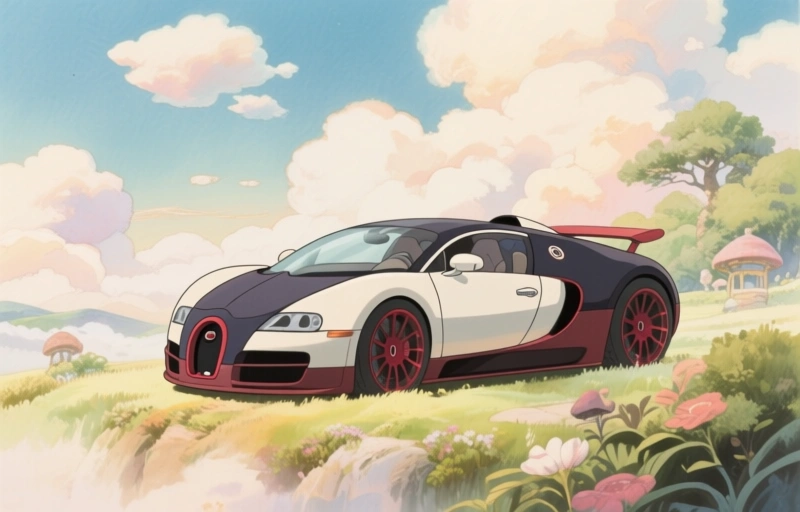
The Bugatti F.K.P. Hommage isn't just another hypercar—it's a tribute to the Veyron that saved the brand. This modern reinterpretation blends iconic design with two decades of engineering evolution, creating a bridge between automotive history and future innovation.
Let's talk about something that doesn't happen every day in our world of recalls and safety bulletins. We're diving into automotive artistry today. The Bugatti F.K.P. Hommage isn't just another hypercar announcement—it's a full-circle moment for a brand that almost disappeared. This machine serves as a tribute to the car that literally restarted Bugatti's modern era of prominence. It's a faithful reinterpretation of the Veyron's iconic design, but it's so much more than that when you look closer.
You know how we're trained to spot patterns in vehicle issues? Well, looking at automotive history reveals patterns too. The Veyron wasn't just a fast car when it launched. It was a statement that Bugatti was back from the brink, pushing engineering boundaries that seemed impossible. The Hommage captures that same audacious spirit, but with two decades of perspective woven into its carbon fiber.
### What Makes This Hommage Different?
Most tribute cars are just cosmetic exercises—a new paint job and some badges. The F.K.P. Hommage goes deeper. It's built on the Chiron platform, which means it inherits that monstrous W-16 engine we all know. But the bodywork? That's where the magic happens. Every curve, every intake, every surface whispers "Veyron" while shouting "2024." It's like meeting an old friend who's somehow become even more impressive with age.
They didn't just copy the old lines. They reinterpreted them. The signature Bugatti horseshoe grille is wider, more pronounced. The side profile has that familiar arch, but it's sharper, more defined. Even the color choices—many pulled directly from original Veyron launch palettes—feel like a conscious bridge between eras. It's nostalgia engineered for the present moment.
### Why This Matters Beyond the Showroom
In our professional world, we track how designs evolve and how those changes impact everything from manufacturing to long-term reliability. The Hommage gives us a fascinating case study. When a company revisits a landmark design, what do they keep? What do they improve? What lessons from twenty years of production get baked into the tribute?
- The original Veyron's cooling challenges led to engineering breakthroughs
- Aerodynamic refinements from the Chiron program inform the Hommage's shape
- Material science advances allow for more precise recreations of complex curves
- Modern safety standards are seamlessly integrated into a classic silhouette
That last point is particularly interesting from our recall perspective. Creating a car that looks like a 2005 Veyron but meets 2024 global safety regulations? That's an engineering tightrope walk few attempt.
### The Human Element Behind the Machine
Here's something we don't always consider when reviewing technical documents. Ferdinand Karl Piëch, the man honored in the car's name, was the driving force behind the original Veyron project. His famous "1001 horsepower" mandate wasn't just a performance target—it was a survival strategy for Bugatti. The Hommage acknowledges that human vision matters as much as technical specifications.
As one engineer involved quietly noted during development, "We're not building a replica. We're building a thank you letter." That emotional component matters. It's what transforms a corporate project into a genuine homage. In an industry often focused solely on metrics, that human connection stands out.
### What Professionals Should Watch For
When extraordinary limited-run cars like this appear, they create ripple effects. They influence design language across the manufacturer's broader lineup. They test new manufacturing techniques that might trickle down to production models. They even affect how heritage and legacy get valued in an increasingly digital automotive landscape.
For those of us who track vehicle lifecycles, the Hommage represents something rare: a deliberate pause to acknowledge a turning point. Most manufacturers just keep pushing forward. Bugatti stopped, looked back, and built something beautiful from that reflection. That's worth noting, even if our daily work revolves around very different automotive documents.
So next time you're deep in recall databases or safety reports, remember there's another side to this industry. Sometimes, it's about celebrating what worked perfectly. Sometimes, it's about honoring the machines that changed everything. The F.K.P. Hommage does both, and that's why it matters—even to professionals who usually focus on what goes wrong with cars.