BMW and Toyota Recall Vehicles Over Fire Risk
Wouter Smit ·
Listen to this article~4 min
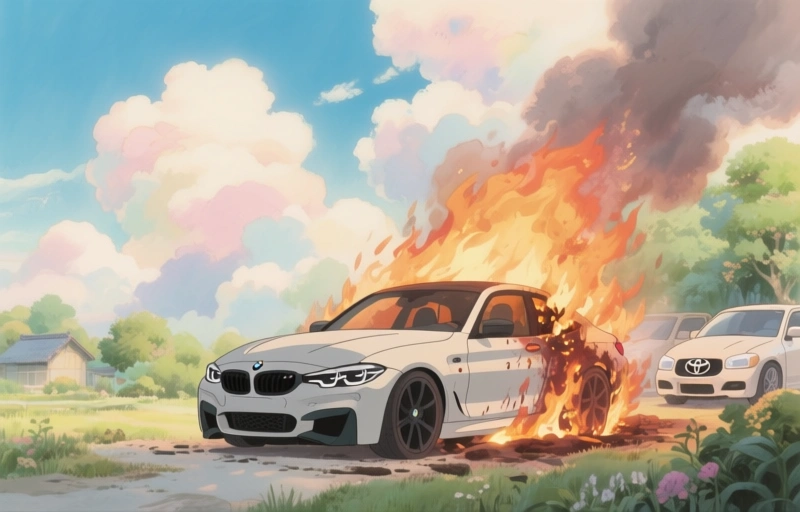
BMW and Toyota have issued major recalls due to fire risks. Learn which models are affected, why it's critical to act, and how to check your vehicle's VIN for free to ensure your safety.
Hey there. So you've probably heard the news by now. It's been all over the place. BMW and Toyota are recalling a whole lot of cars because, well, they might catch fire. Not exactly what you want from your daily driver, right?
It's one of those things that makes you pause. You trust these brands. You pay a premium for that peace of mind. Then you hear something like this, and it just gets you thinking. How do you even know if your car is part of a recall? And what are you supposed to do about it?
Let's break it down, because this stuff matters.
### What's Actually Happening?
The recalls are pretty significant. We're talking about two separate issues from two major automakers, both centered on a fire risk. That's the scary part. It's not a faulty cup holder or a squeaky door panel. It's a genuine safety concern.
For BMW, the recall is massive—hundreds of thousands of vehicles. The problem is linked to a potential electrical short in the wiring for the heating and ventilation system. In simpler terms, a part that's supposed to keep you comfortable could, in rare cases, overheat and spark a fire. They're advising owners not to park in garages or near structures until the fix is done.
Toyota's recall, which involves BMW models too, is for over 87,000 vehicles. This one is tied specifically to the starter motor. A faulty component there could cause an electrical overload, again leading to a potential fire under the hood.
Here are the key models affected, so you can check:
- **BMW:** Various 3 Series, 5 Series, and X3 models from recent years.
- **Toyota/BMW:** Certain Supra models (which share a platform with BMW) and specific BMW Z4 roadsters.
If you drive one of these, don't panic. But do pay attention.
### Why Recalls Like This Matter to You
You might be thinking, 'My car seems fine.' I get it. Most of the time, it probably is. But recalls aren't issued for maybes. They're for documented risks. The National Highway Traffic Safety Administration doesn't mess around with this stuff.
Ignoring a recall notice is like ignoring a check engine light that says 'potential fire.' You just wouldn't. The repair is almost always free at your dealership. They'll replace the faulty part with a new, safe one. You're not just protecting your car; you're protecting your garage, your home, and most importantly, the people inside the car.
It's a hassle, sure. Taking your car in is never fun. But compare that hassle to the alternative. It's a no-brainer.
### How to Check if Your Car is Affected
This is the most important step. Don't wait for a letter in the mail to get lost in a pile of bills. Be proactive. It takes two minutes.
Every car has a unique 17-character Vehicle Identification Number, or VIN. You can find it on your registration, your insurance card, or on a small metal plate visible through the windshield on the driver's side.
Take that VIN and plug it into the official NHTSA recall lookup website. It's free, it's instant, and it will tell you every single unrepaired recall on your vehicle, from any manufacturer. Do it once a year. Make it a habit, like checking your smoke detector batteries.
> “A recall is a manufacturer's way of saying they've found a problem and they want to make it right, on their dime. It's one of the few true 'customer care' moments in the auto industry.”
So, what's the takeaway here? These big recalls from BMW and Toyota are a loud reminder. Our cars are incredibly complex machines. Sometimes, things go wrong in the design or the parts. The system is working when they catch it and issue a recall.
Your job isn't to diagnose the starter motor. Your job is to stay informed. Check your VIN. If you get a notice, schedule the repair. It's that simple. Drive safe.