BMW Recalls 87,394 Vehicles for Starter Fire Risk
Wouter Smit ·
Listen to this article~5 min

BMW issues a major safety recall for 87,394 U.S. vehicles due to a starter motor defect that can overheat and pose a fire risk. Learn which models are affected and the critical steps for professionals managing the recall process.
If you're a recall professional, you know the drill. Another day, another safety notice. But this one from BMW deserves a closer look. It's not just about the numbers, though 87,394 U.S. cars is significant. It's about the specific, and frankly, concerning nature of the defect: a starter motor that can overheat and potentially cause a fire.
That's the kind of issue that gets everyone's attention, from the service bay to the corporate boardroom. It's a reminder that even in modern, sophisticated vehicles, a single component can create a major safety event. Let's break down what we know and what it means for the professionals managing this process.
### Understanding the Core Defect
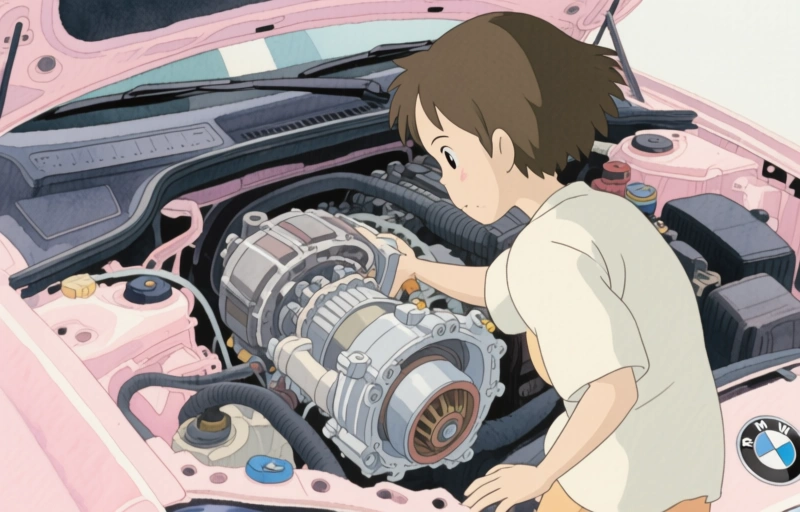
The recall centers on the starter motor. In certain BMW models, a manufacturing issue can cause the starter to overheat. We're not talking about a little extra warmth here. This is the kind of overheating that can lead to thermal damage to surrounding components and, in the worst-case scenario, ignite a fire in the engine compartment.
Think about it. The starter is a high-current device. When it's engaged, it draws a massive amount of power to turn the engine over. If there's an internal fault, that energy has to go somewhere, and heat is the usual suspect. It's a classic failure mode, but one with serious consequences when it happens in a confined space filled with flammable fluids and materials.
### Which Models Are Affected?
BMW has identified specific models and model years for this recall. While the official recall notice from the National Highway Traffic Safety Administration (NHTSA) will have the complete Vehicle Identification Number (VIN) list, the affected vehicles generally include:
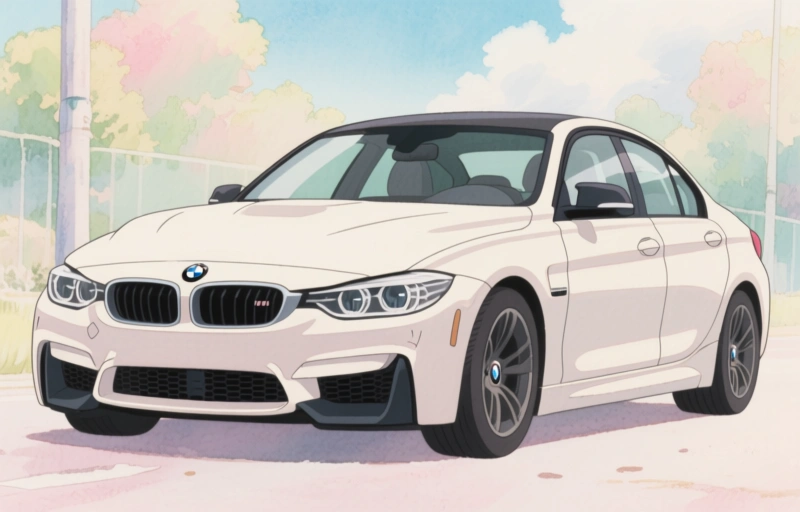
- Certain 3 Series sedans
- Specific X3 and X4 SUVs
- Various model years within the 2019-2022 range
It's crucial for owners and professionals to check the official VIN lookup tool. A general model list is a starting point, but the VIN is the definitive source of truth for determining if a specific vehicle is included.
### The Professional's Action Plan
So, what's the protocol? For recall professionals, the steps are clear, but executing them smoothly is the real challenge. First, notification. BMW will be contacting registered owners by mail. That's the formal channel. But in today's world, you can't rely on mail alone. Proactive communication through dealership networks, customer apps, and even social media awareness is part of a modern recall strategy.
Next comes the remedy. The fix, in this case, involves a dealer inspection. Technicians will examine the starter motor and its wiring. If they find the defective starter, they'll replace it with a new, corrected unit. It's a straightforward repair, but it requires specialized parts and trained technicians, which means logistics and scheduling become key bottlenecks to manage.
Here's a critical point for professionals to communicate to vehicle owners: Until the repair is completed, it's wise to park the car outside and away from structures or other vehicles. It's a simple, precautionary step that can mitigate risk while waiting for the service appointment.
### Why This Recall Matters
Beyond the immediate fire risk, this recall highlights a couple of enduring truths in our industry. First, supply chain and manufacturing quality control are more important than ever. A single part from a single supplier can impact nearly 90,000 vehicles. Second, clear, empathetic communication is non-negotiable. Owners need to understand the risk is real but manageable, and that a solution is available.
As one veteran recall manager once told me, "Our job isn't just to fix cars. It's to restore trust." That starts with transparency about the problem and ends with a seamless repair experience. For the teams handling this BMW recall, that's the task at hand. It's a significant operational lift, but it's also a chance to demonstrate professionalism and care that customers will remember long after the repair is done.