BMW Recalls 87,000+ Vehicles Over Fire Risk
Wouter Smit ·
Listen to this article~4 min
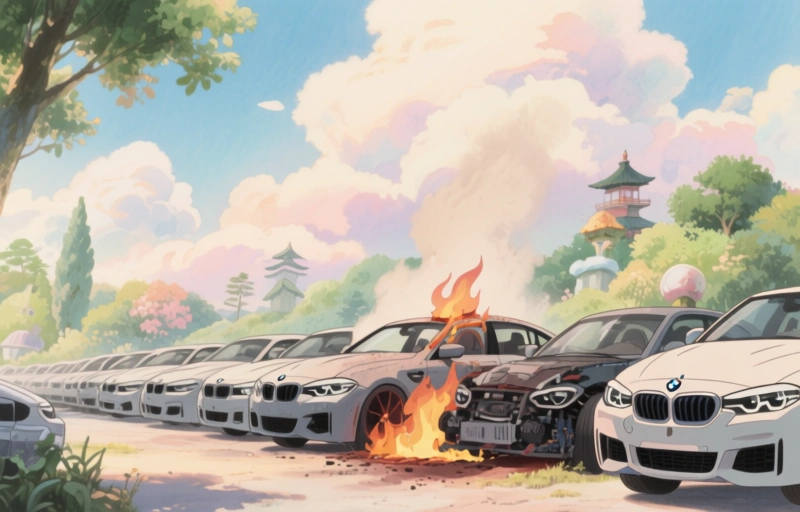
BMW issues a major safety recall for over 87,000 vehicles in the U.S. due to a fire risk. Learn which models are affected and the critical steps for recall professionals.
Hey there. If you're handling recalls professionally, you've probably seen the alert. BMW just announced a major safety recall affecting over 87,000 vehicles in the United States. The reason? A potential fire risk that's serious enough to warrant immediate action.
It's one of those situations where a small component can create a huge problem. We're talking about a specific electrical issue that could lead to a thermal event—which is the technical way of saying it might catch fire. Not what you want from a luxury vehicle, right?
### What Models Are Affected?
The recall isn't for every BMW on the road. It targets specific models from certain model years. If you're working with dealerships or owners, you'll need to check the official NHTSA recall number for the exact VIN range. Generally, we're looking at some popular SUVs and sedans from the last few years.
Owners should be receiving notifications by mail, but you know how that goes—sometimes they get lost, sometimes people move. That's where your expertise comes in. Helping bridge that communication gap is crucial.
### The Specific Component Issue
Let's break down the technical part without the jargon. The problem centers on a component in the vehicle's electrical system. Under certain conditions, this part can overheat. It's not a guaranteed failure, but the risk is real enough that BMW isn't taking chances.
Think of it like a faulty electrical outlet in your house. Most of the time it works fine, but sometimes it sparks. You wouldn't ignore that, and BMW isn't ignoring this. The fix involves a dealership inspection and, if necessary, a replacement of the affected part. The repair should be performed at no cost to the vehicle owner.

### Steps for Recall Professionals
If you're managing this on the ground, here's your game plan:
- Verify the VIN against the official recall list. Don't rely on preliminary reports.
- Communicate clearly with vehicle owners. Explain the risk without causing panic.
- Schedule inspections promptly. This isn't a recall that can wait for the next oil change.
- Document everything. Meticulous records are your best friend for compliance.
As one veteran recall coordinator put it: "The goal isn't just to fix the car. It's to restore the driver's confidence. That takes clear communication and flawless execution."
### Why This Recall Matters
Beyond the obvious safety implications, this recall highlights a growing trend. Modern vehicles are more complex than ever. More electronics mean more potential failure points. For professionals in this field, understanding these systems is becoming as important as knowing the mechanical ones.
It also shows how proactive the industry has become. Manufacturers are catching issues earlier and responding faster. That's good for everyone—safer roads, protected brands, and fewer catastrophic incidents.
### The Bigger Picture
Recalls like this aren't just about one brand or one model. They're part of a larger ecosystem of vehicle safety. Every major recall teaches the industry something new about design, manufacturing, and response protocols.
Your role in that process is vital. You're the ones who turn corporate announcements into real-world fixes. You're the connection between the engineering report and the family whose car gets repaired. That's not just paperwork—that's preventing potential disasters.
So take this recall seriously, but also see it as another case study. What works in your communication? What logistics snags come up? How can the process be smoother next time? Those are the questions that make you better at what you do.
Stay sharp out there. These vehicles need your attention, and the owners are counting on your expertise to guide them through a stressful situation. Do it right, and you're not just completing a recall—you're upholding a standard of safety that keeps our roads secure.