BMW Recalls 58,000 Vehicles: Faulty AC System Affects These Models
Wouter Smit ·
Listen to this article~4 min

BMW recalls 58,000 vehicles due to faulty AC systems that could fail completely. Learn which models are affected, why this is a safety issue beyond comfort, and what steps owners should take immediately.
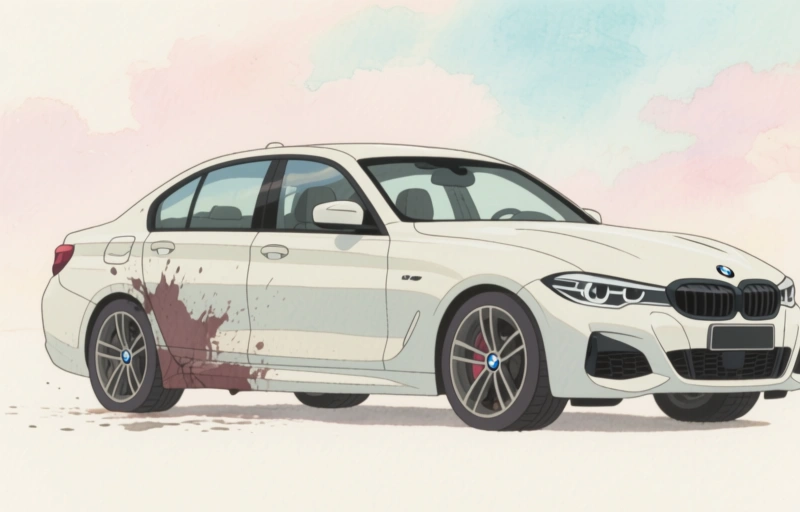
So, BMW just announced a major recall. We're talking about 58,000 vehicles here. The issue? A faulty air conditioning system that could potentially stop working entirely. That's not just a comfort problem on a hot day—it's a safety concern too, especially when defrosting becomes impossible.
If you own a BMW, you're probably wondering right now if your car is on that list. I get it. That sinking feeling when you hear 'recall' isn't fun. Let's break down what we know and what you should do next.
### Which BMW Models Are Affected?
The recall specifically targets certain BMW models from recent years. While the exact model years and series are detailed in the official recall notice, we're primarily looking at vehicles where the refrigerant line in the AC system might have been improperly bonded. This isn't a small 'maybe' issue—it's a defect that can lead to complete AC failure.
Here's what typically happens: the refrigerant line connection fails. Your AC blows warm air. Then, over time, the entire system stops functioning. In winter, that means no defrosting capability. Reduced visibility while driving is something no one wants to risk.
### Why This Recall Matters More Than You Think
You might be tempted to shrug this off. "It's just the AC," right? Wrong. Think about it. Modern vehicles rely on integrated systems. A failing AC compressor can strain other components. More importantly, as one automotive engineer put it: "Climate control isn't luxury anymore; it's integral to occupant safety and vehicle functionality."
When your windshield fogs up and you can't clear it, you're driving blind. That's the real danger here. BMW isn't recalling these vehicles because the air isn't cold enough—they're doing it because the system's failure creates a legitimate driving hazard.
### What BMW Owners Should Do Immediately
First, don't panic. Recalls are standard procedure in the automotive industry. Here's your action plan:
- Check your Vehicle Identification Number (VIN) on the National Highway Traffic Safety Administration (NHTSA) website
- Contact your local BMW dealership directly—they have the most current information
- Don't ignore any mailed recall notices from BMW
- Schedule the repair as soon as possible; it's free of charge
Dealerships will inspect the AC refrigerant line and, if necessary, replace it entirely. The repair typically takes a few hours, and most dealerships will provide a loaner vehicle if needed. Remember: this isn't a suggestion. It's a safety repair that needs to happen.
### How to Stay Ahead of Future Recalls
This situation highlights why every car owner should make recall checks part of their regular maintenance routine. Here are simple habits to adopt:
- Bookmark the NHTSA recall website and check it quarterly
- Register your vehicle with the manufacturer to receive direct notifications
- Pay attention to news about your vehicle's make and model
- Never dismiss recall notices as 'junk mail'
Vehicle recalls happen more often than people realize. In 2023 alone, automakers recalled millions of vehicles for various issues. Staying informed is your best defense against potential safety issues.
### The Bigger Picture on Vehicle Safety
What's interesting about this recall is what it represents. Modern cars are incredibly complex machines with thousands of interconnected parts. Sometimes, a single component—like an AC refrigerant line—can have implications far beyond passenger comfort.
Manufacturers like BMW have sophisticated monitoring systems to detect these patterns. When they issue a recall, it means they've identified a pattern of failure that warrants intervention. It's actually a sign of a responsible safety culture, not poor quality.
Your takeaway today? If you own one of these affected BMWs, take action. If you don't, let this be a reminder to check your own vehicle's recall status. It takes five minutes and could prevent significant problems down the road. Your safety—and the safety of everyone sharing the road with you—is worth that small investment of time.