BMW's Electric M3 Gets Iconic Engine Sounds
William Miller ·
Listen to this article~4 min
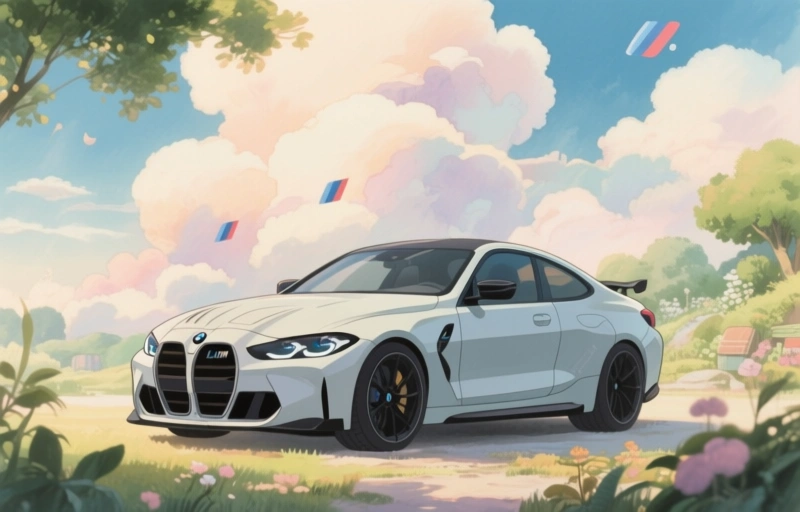
BMW recorded its legendary engine sounds to craft a unique, emotional soundtrack for its electric M3, blending heritage with innovation in the EV era.
Let's talk about something that's been buzzing in the automotive world. You know, the quiet revolution of electric vehicles has brought up a fascinating challenge. How do you give a soulful, high-performance machine a voice when its heart doesn't beat with pistons? Well, BMW just gave us a masterclass in creative problem-solving.
They didn't just slap a generic hum on their upcoming electric M3. Instead, they went back to their roots, to the very soul of their brand. They took a trip down memory lane, straight into a recording studio, but not for music. They were there to capture history.
### The Sound of Heritage
Think about it. For decades, the roar of a BMW engine was its signature. It was a mechanical symphony that told you exactly what you were driving before you even saw it. That sound was an identity. With electric vehicles, that identity was at risk of becoming a silent, sterile whisper. BMW's engineers and sound designers weren't having that.
They pulled some of the most legendary engines from the BMW archives. We're talking about the raw, visceral sounds that defined generations of driving enthusiasts. The goal wasn't to mimic them exactly—that would be impossible with an electric drivetrain. The goal was to translate that feeling, that emotional resonance, into a new digital language.
- They captured the unique frequency and harmonics of classic engines.
- They analyzed the acoustic profile of legendary models.
- They focused on the emotional response each sound evoked.
It's a bit like a chef trying to recreate a beloved family recipe with entirely new ingredients. The result might be different in composition, but it should hit the same nostalgic notes.
### Engineering Emotion, Not Just Noise
This process is far more complex than playing a recording through speakers. It's about active sound design. The synthetic soundtrack they're creating for the electric M3 will be dynamic. It will respond to throttle input, speed, and driving mode. It needs to feel connected to the driver's actions, not just be background music.
One insider put it perfectly: "We're not making noise. We're engineering an emotion." That's the key takeaway here. For professionals tracking vehicle development and consumer response, this is a critical shift. Recalls and technical service bulletins often focus on hardware failures—a faulty sensor, a brittle connector. But what about the software that defines a car's character?
This move by BMW signals a future where a vehicle's "personality" is increasingly defined by code. It opens up new avenues for updates, sure, but also new complexities. Could a future recall involve a sound profile update that doesn't resonate with buyers? It's a strange new world.
### Why This Matters for the Industry
For those of us in the recall and automotive analysis field, this is more than a neat trick. It's a case study in brand preservation during a technological pivot. BMW is proactively addressing a potential pain point—the loss of auditory brand identity—before it becomes a widespread consumer complaint.
They're building the emotional bridge for their loyal performance customers to cross over into the electric era. It's a strategic move that acknowledges the heart of driving isn't just about metrics like 0-60 times; it's about the experience, the sensation, the sound of power.
This approach could set a precedent. Other manufacturers with rich histories will likely follow, developing their own acoustic signatures. It adds a new, software-defined layer to vehicle differentiation and customer satisfaction. And as we know, anything defined by software is subject to updates, revisions, and yes, potential issues that require technical attention down the line.
So, the next time you hear about an electric performance car, listen closely. That sound might just be the carefully crafted echo of its gasoline-powered ancestors, a digital ghost of driving's past, engineered to make the future feel familiar.