Audi CEO: Gas Engines to Thrive Through 2030s Amid EV Shift
Wouter Smit ·
Listen to this article~4 min
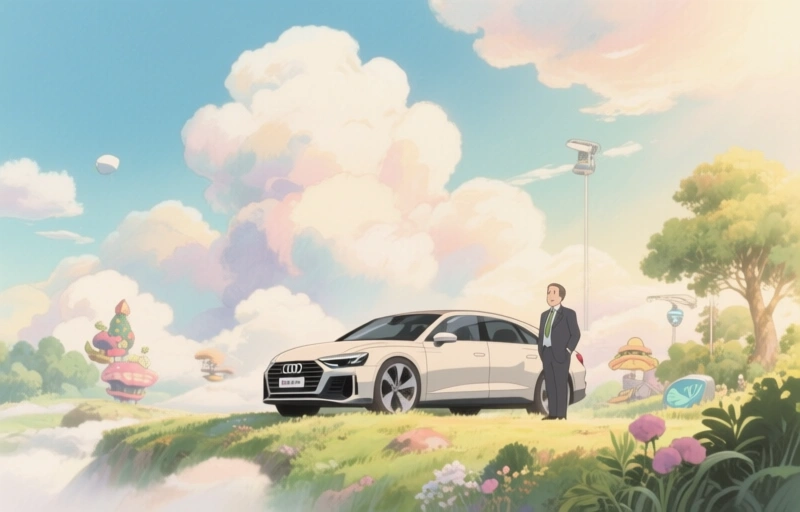
Audi CEO Gernot Döllner reveals a strategic shift, extending the life of gas engines into the 2030s due to slower EV adoption and sustained customer demand for traditional powertrains.
So, here's something that might surprise you. Audi's CEO, Gernot Döllner, recently sat down for a chat with Car and Driver. He dropped a pretty significant statement about the future of their cars. Basically, Audi isn't ready to say goodbye to the gas engine just yet. In fact, they see it having a solid place in their lineup well into the 2030s.
That's a big shift from the all-electric future we've been hearing about for years. It feels like a reality check for the entire industry. What's driving this change? According to Döllner, it's a combination of two major market forces.
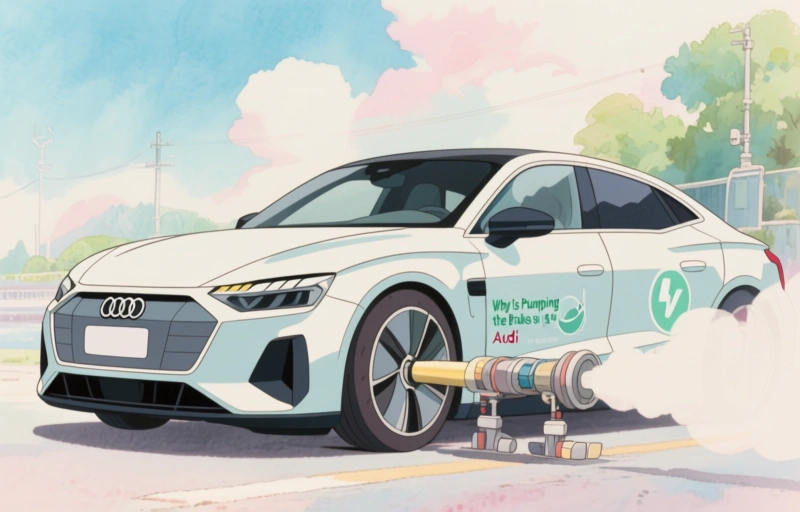
### Why Audi Is Pumping the Brakes on an All-EV Future
First, electric vehicle sales haven't been taking off as quickly as many automakers predicted. The initial surge of excitement has met some real-world hurdles. Things like charging infrastructure gaps, higher upfront costs, and range anxiety for longer trips are making some buyers hesitant.
Second, and this is key, there's still incredibly strong consumer interest in traditional gasoline-powered cars. People know them, they trust them, and for many driving needs, they're just more convenient right now. Audi is listening to that customer feedback loud and clear.
"We need to be more flexible with our powertrains," Döllner explained. That flexibility means not putting all their eggs in the EV basket. Instead, they're planning for a future where gas, hybrid, and electric models will all coexist for a lot longer than we thought.
### What This Means for Car Shoppers and Professionals
If you're in the market for a new car, or advising clients who are, this news brings some welcome clarity. The pressure to go fully electric immediately might be easing. You have more time to make a transition that works for your lifestyle and budget.
For automotive professionals, this signals a need to keep expertise broad. The skills for servicing and selling internal combustion engines will remain highly valuable for the next decade, at least. It's not an either/or scenario anymore; it's a both/and.
Think of it like this: the road to an electric future isn't a straight highway. It's got twists, turns, and a few unexpected detours. Audi is simply adjusting its route based on the traffic conditions.
Here are a few key takeaways from this strategic pivot:
- **Market-Driven Decisions:** Audi is responding directly to real consumer demand, not just regulatory forecasts.
- **Extended Timeline:** The phase-out of gas engines is being pushed back, giving technology and infrastructure more time to mature.
- **Powertrain Diversity:** Future Audi showrooms will likely feature a wider mix of gas, plug-in hybrid, and pure electric vehicles.
- **Reduced Risk:** This approach hedges against the uncertainty of EV adoption rates and battery technology evolution.
It's a pragmatic move. While the ultimate goal may still be electrification, the journey there just got a lot more interesting. Audi is acknowledging that the transition needs to be inclusive, meeting customers where they are today, not where we hope they'll be tomorrow.
This isn't about abandoning innovation. It's about balancing ambition with reality. By keeping gas engines in play, Audi ensures it can continue to deliver the performance and luxury its customers expect, while still investing heavily in its electric portfolio, like the upcoming Q6 e-tron.
So, the next time you hear someone declare the death of the internal combustion engine, you might want to mention Audi's plan. The familiar rumble of a gasoline engine will be echoing through dealerships and on roads across the country for many years to come. It's a future that's hybrid in more ways than one.