2027 Volkswagen Atlas Exterior: Second-Generation Design…
Wouter Smit ·
Listen to this article~5 min
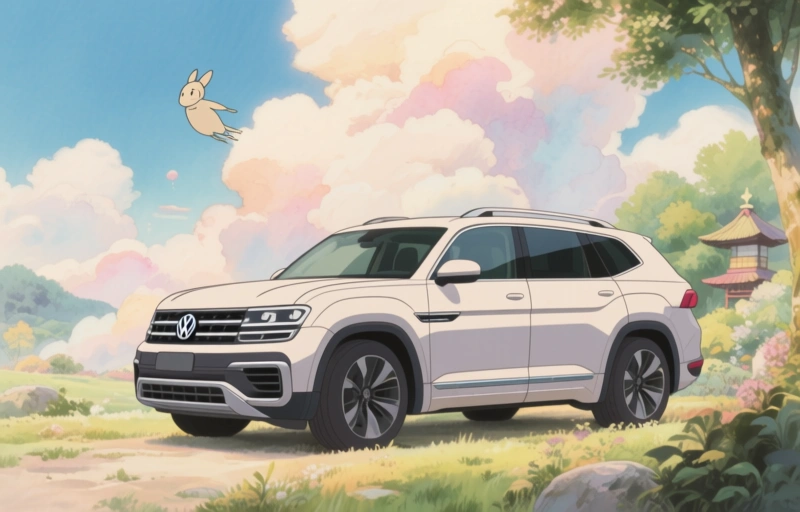
Get an in-depth look at the redesigned 2027 Volkswagen Atlas exterior. Discover the second-generation updates to lighting, proportions, colors, and practical features that define this refreshed family SUV.
So you're curious about the 2027 Volkswagen Atlas? You're not alone. This mid-size SUV has been turning heads since it first hit the scene, and now it's entering its second generation. Let's take a closer look at what's changed on the outside and what's stayed the same.
You know how sometimes a redesign feels like a complete departure? This isn't one of those times. Volkswagen kept the Atlas's familiar, confident stance while refining the details. It's like running into an old friend who's gotten a sharp new haircut—you recognize them immediately, but they look more polished.
### The Front-End Evolution
The most noticeable changes happen right up front. The grille is wider and more integrated with the headlights, creating a seamless look. Those LED daytime running lights now stretch almost all the way across, giving the Atlas a distinctive nighttime signature. The bumper has been reshaped too, with larger air intakes that hint at improved cooling.
What I appreciate is how Volkswagen balanced boldness with approachability. This isn't an intimidating vehicle, but it doesn't fade into the background either. The hood has more pronounced lines now, adding some muscle without going overboard.
### Profile and Proportions
From the side, you'll notice the wheelbase appears slightly longer. Volkswagen hasn't released exact measurements yet, but those rear doors look bigger—great news for anyone who regularly uses the third row. The roofline slopes a bit more gracefully toward the rear, reducing that boxy feel without sacrificing interior space.
The wheels deserve special mention. Base models start with 18-inch alloys, but you can upgrade to stunning 21-inch options. Here's what you get with the available wheel packages:
- Machine-faced aluminum with dark accents
- Full polished finishes that really catch the light
- Unique patterns exclusive to the R-Line trim
- All-season tires standard, with performance options
### Rear Design Updates
Move around back and you'll find the most dramatic change. The taillights are now full-width LED units, mirroring the front lighting theme. The rear window is slightly more steeply raked, which improves aerodynamics. Volkswagen says the drag coefficient dropped by about 8% compared to the previous model.
The liftgate has been reshaped too, with a more pronounced spoiler integrated into the top. It's not just for looks—it helps keep the rear window cleaner in bad weather. The bumper sits a bit higher, protecting that beautiful paint from parking lot scrapes.
### Color and Finish Options
This is where personalization really comes into play. The 2027 Atlas offers three new exclusive colors alongside the classics. Deep Ocean Blue Metallic has this incredible depth in sunlight, while Canyon Brown looks sophisticated without being boring. For the bold, there's Solar Orange—it's vibrant but not overwhelming.
As one designer noted during the reveal, 'We wanted colors that felt both premium and practical.' The clearcoat has been improved too, with better UV protection to keep that shine for years.
### Practical Exterior Features
Beyond just looking good, the Atlas's exterior has some smart updates. The side mirrors are slightly larger with integrated blind-spot indicators. Door handles now sit flush with the body when locked, improving aerodynamics. There's even an available hands-free liftgate that activates when you wave your foot under the bumper—perfect for when your arms are full of groceries.
The roof rails are standard on all trims and can handle up to 165 pounds of cargo. That's enough for most roof boxes or kayaks. Tow hooks front and rear come standard too, though the exact towing capacity hasn't been finalized yet.
### How It Compares Visually
If you're coming from the first-generation Atlas, you'll notice the differences immediately. The overall shape is more sculpted, with fewer flat surfaces. The character lines flow more naturally from front to back. It looks more expensive than its starting price of around $38,000 suggests.
Compared to competitors like the Honda Pilot or Ford Explorer, the Atlas stands out with its cleaner, more European aesthetic. It doesn't have the aggressive angles of some rivals, opting instead for a more refined presence. Whether that's your style depends on what you're looking for in a family SUV.
At the end of the day, the 2027 Volkswagen Atlas exterior tells a story of evolution, not revolution. Volkswagen took what worked, made it better, and added just enough newness to feel fresh. It's a design that should age gracefully—something you'll still be proud to park in your driveway five years from now.