2001 AWD Wagon Showdown: Audi, BMW, Subaru, VW Compared
Wouter Smit ·
Listen to this article~4 min

We took four iconic 2001 AWD wagons—Audi A4 Quattro, BMW 325xi, Subaru Outback H6, and VW Passat 4Motion—on a winter test to compare their real-world performance, handling, and engineering philosophies beyond the spec sheet.
You know how it goes. The sport-wagon market starts buzzing, and suddenly everyone's talking about all-wheel drive and cargo space. Well, back in 2001, we decided to cut through the chatter. We took four of the hottest AWD wagons north for a real-world winter test. This wasn't just about specs on paper. It was about how these machines actually felt when the roads got slick and the temperature dropped.
We had a proper lineup. The Audi A4 1.8T Quattro, the BMW 325xi, the Subaru Outback H6-3.0, and the Volkswagen Passat GLX 4Motion. Each one promised something different—German engineering, sporty handling, rugged capability, or refined comfort. Our mission? To see which wagon truly delivered when you needed it most.
### The Contenders in the Cold
Let's break down who showed up to play. The Audi A4 Quattro was the tech-forward choice, with its turbocharged engine and legendary quattro system. It felt planted and precise, like it was reading your mind. The BMW 325xi was all about that classic BMW driving feel—rear-wheel-drive bias in an all-wheel-drive package. It wanted to be fun, even with snow on the ground.
Then you had the Subaru Outback H6. This was the outlier, the one built from the ground up for conditions like these. Its 3.0-liter flat-six engine and symmetrical AWD system were in their element. Finally, the Volkswagen Passat 4Motion offered a more luxurious, spacious take on the formula. It was the comfortable cruiser of the group.
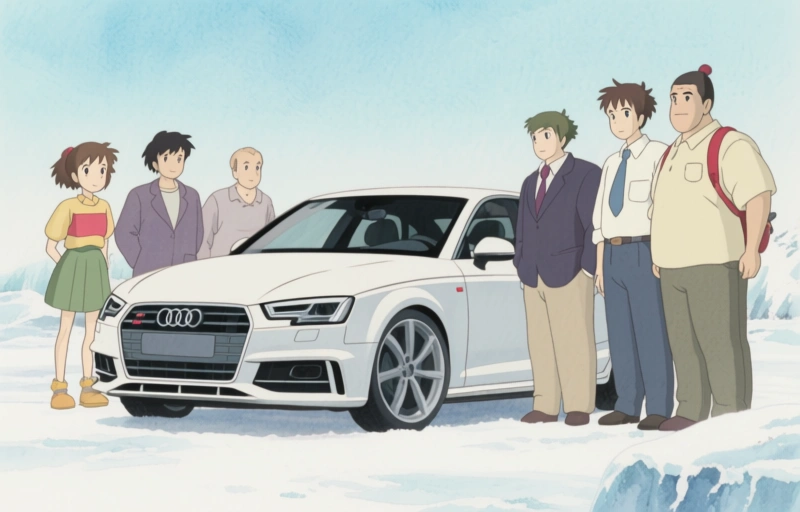
### Where Rubber Meets the Road (and Snow)
Driving them back-to-back was an education. You quickly learn that 'all-wheel drive' means very different things to different manufacturers. On icy patches and packed snow, the systems revealed their personalities.
- The Subaru's system felt the most transparent and confident. It just worked, without much drama, pulling you through corners with a quiet assurance.
- The Audi's quattro was incredibly quick to react. You could feel it shuffling power the instant a wheel began to slip, keeping you firmly on your intended line.
- The BMW wanted you to be involved. Its system allowed for a hint of play before stepping in, which made it feel more engaging for a driver who enjoys the process.
- The VW's 4Motion prioritized smoothness and stability above all else. It was less about sporty feedback and more about making the journey effortless.
It wasn't just about traction, though. The interiors told another story. The Audi and BMW cabins were driver-focused, with supportive seats and controls that fell right to hand. The Subaru was more utilitarian but incredibly practical. The VW felt like a sanctuary, with more room to stretch out and a quieter ride.

### The Takeaway for Car Recall Professionals
Looking back, this comparison is a great case study in engineering philosophy. For professionals in the field, it highlights how core design intent influences everything—from the powertrain layout to the suspension tuning and, yes, even potential failure points down the line. Understanding what each brand prioritized helps you understand the vehicle as a whole system.
One mechanic who worked on all these brands back in the day put it well: 'You fix them differently because they were built differently. The goal might have been the same—get power to all four wheels—but the paths they took were unique.' That's the kind of insight that sticks with you.
So, which one won? That's the thing about a good comparison. There's rarely one perfect answer. The 'best' wagon depended entirely on what the driver valued most: razor-sharp handling, unflappable winter confidence, engaging feedback, or plush comfort. This test reminded us that even within a narrow segment, there's a world of choice. And sometimes, you have to head north to find the real differences.