1996 Small Sedan Showdown: 8 Classic Compacts Compared
Wouter Smit ·
Listen to this article~5 min

Take a nostalgic tour of eight iconic 1996 small sedans. We compare interiors, driving dynamics, and lasting legacy of models from Dodge, Ford, Honda, Mazda, Nissan, Pontiac, and Saturn.
Let's take a real trip down memory lane, shall we? I'm talking about that pivotal year in the small sedan world—1996. It was a time when carmakers were really figuring out what drivers wanted in an affordable, practical daily driver. We're not just glancing at photos here. We're diving deep into what made these eight contenders tick.
You see, comparing these cars today gives us a fascinating snapshot of automotive history. It shows us where design was heading, what features were becoming standard, and which brands were listening to their customers. So grab your coffee, and let's walk through this 1996 lineup together.
### The American Contenders
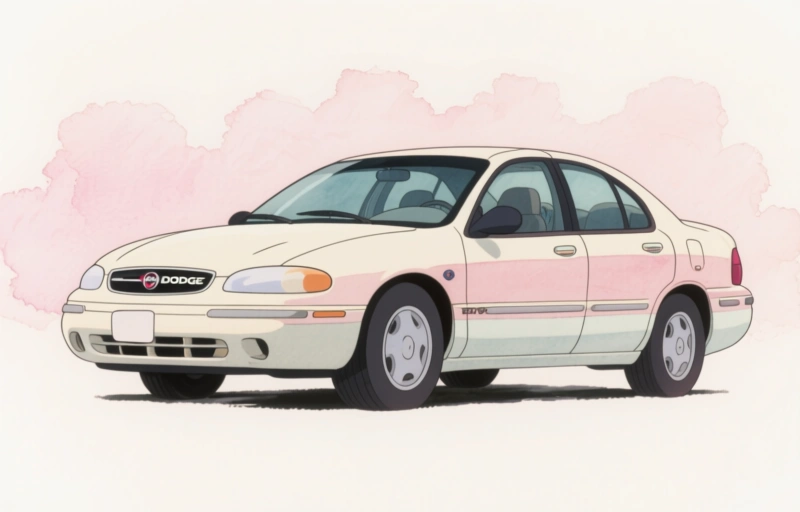
First up, the home team. The 1996 Dodge Stratus brought a fresh, aerodynamic look to the segment. Its cab-forward design was a big deal at the time, pushing the wheels toward the corners to maximize interior space. The Ford Contour GL, meanwhile, felt more European in its handling—a bit sportier than you might expect from a family sedan.
Then there was the Pontiac Grand Am SE. Oh, that car had personality. With its distinctive body cladding and available V6 engine, it appealed to buyers who wanted something with a bit more edge. The Saturn SL2 was the quiet innovator, with its dent-resistant polymer panels and no-haggle pricing that changed how many people shopped for cars.
### The Import Standouts
The Japanese brands were absolutely crushing it in '96. The Honda Civic LX was the benchmark—reliable, efficient, and surprisingly fun to drive. It's no wonder so many of these are still on the road today. The Mazda Protegé ES offered fantastic handling that made commuting feel less like a chore and more like an experience.
Nissan's Sentra GXE provided incredible value with features that often cost extra elsewhere. And let's not forget the Geo Prizm, which was essentially a Toyota Corolla in different clothing—built in California with Toyota's legendary reliability.
### Interior Comfort and Practicality
Stepping inside these cars tells you a lot about 1990s priorities. Ergonomics were improving, but you'd still find plenty of hard plastics. Here's what stood out across the lineup:
- The Civic and Protegé had the most intuitive control layouts
- The Stratus and Contour offered the most rear legroom for families
- Saturn's interior materials felt different but surprisingly durable
- The Grand Am's cockpit-style dashboard divided opinions—you either loved it or hated it
Trunk space was competitive across the board, with most offering between 12 and 14 cubic feet of storage. That was enough for groceries, a couple of suitcases, or your college dorm essentials.
### Driving Dynamics and Daily Use
How did these sedans actually feel on the road? Well, they were all competent, but each had its own personality. The Civic was the balanced all-rounder—good at everything, great at nothing. The Protegé was the driver's choice, with responsive steering that made back roads enjoyable.
The American models tended toward softer rides, prioritizing comfort over sharp handling. The Contour surprised many with its European-inspired chassis tuning. As one automotive journalist noted at the time, "The differences between these cars aren't just about specs—they're about how they make you feel during your daily commute."
### Lasting Legacy and Collector Interest
Looking back nearly three decades later, some of these models have developed cult followings. Clean, low-mileage examples of the Civic and Protegé are sought after by enthusiasts who appreciate their simplicity and driving enjoyment. The Saturn SL2 has become an interesting footnote in automotive history—a bold experiment in how to build and sell cars differently.
What's remarkable is how many design cues from these '96 models influenced future generations. The cab-forward design, the emphasis on interior space, the move toward more rounded aerodynamic shapes—you can trace it all back to this competitive era.
So there you have it. Eight cars that defined affordable transportation for a generation. They weren't just appliances—they were companions for commutes, road trips, and life's everyday adventures. Each had its strengths and weaknesses, but together they represent a fascinating moment when the small sedan segment was hitting its stride.