1995 Sport Coupe Showdown: GTI VR6 vs SC2 vs 200SX vs…
Wouter Smit ·
Listen to this article~4 min
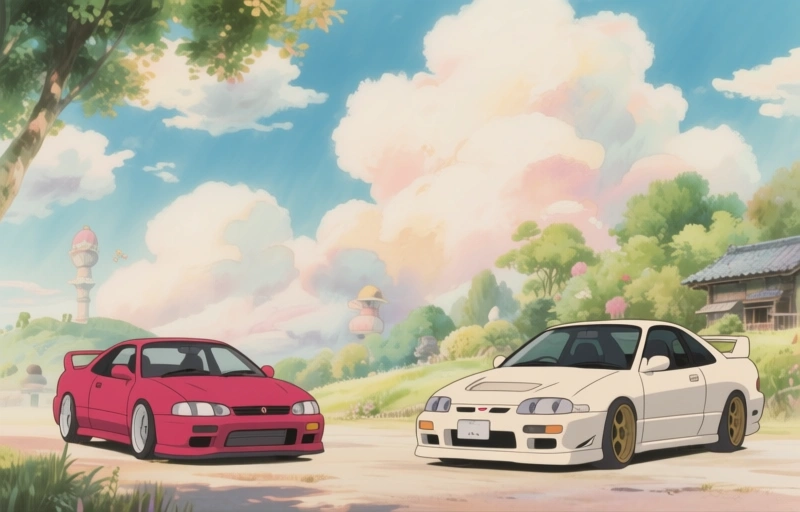
Take a visual tour of the iconic 1995 sport coupe showdown. We examine every angle of the Volkswagen GTI VR6, Saturn SC2, Nissan 200SX SE-R, and Acura Integra LS, comparing their designs and interiors.
Remember that feeling? You're flipping through a car magazine in 1995, and the editors have gathered four of the hottest sport coupes for a proper showdown. It wasn't just about specs on paper. It was about the vibe, the design, and how these machines made you feel behind the wheel. Today, we're taking a visual tour back to that moment, examining the interior and exterior of each contender from every angle.
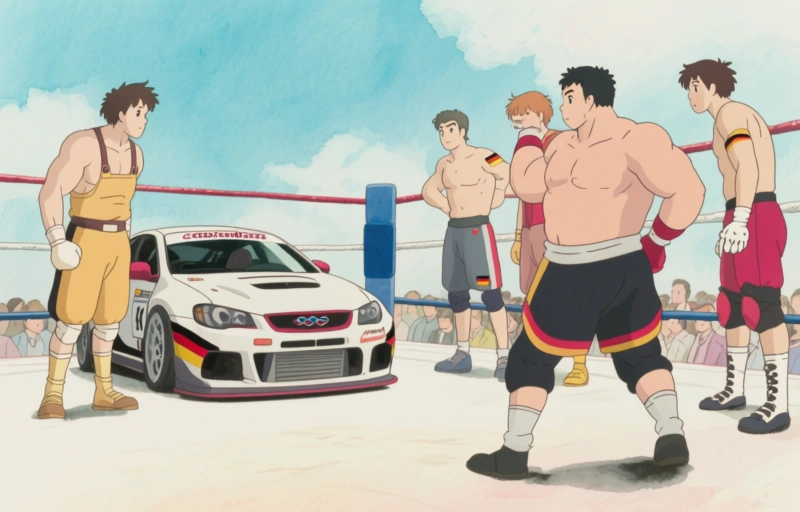
### The Contenders in the Ring
Let's meet the players. In one corner, you had the German hot hatch refined: the Volkswagen GTI VR6. Its 2.8-liter VR6 engine was a masterpiece of packaging, delivering a smooth, torquey punch that felt unlike anything else. Then there was the all-American Saturn SC2, the plucky underdog with its innovative plastic body panels and a surprisingly rev-happy twin-cam engine.
From Japan, two legends entered the fray. The Nissan 200SX SE-R was the pure, simple, driver's car—lightweight, with a high-revving four-cylinder that loved to be wound out. And the Acura Integra LS, the sophisticated choice, blending Honda reliability with a sleek, timeless shape and a cabin that felt a class above.
### A Walk Around the Exteriors
Standing back, the design philosophies were worlds apart. The GTI VR6 was understated and purposeful, its boxy shape hinting at the practicality within. The Saturn SC2 was all curves and futuristic flair, a spaceship next to the VW's tank. The 200SX SE-R was clean and functional, while the Integra... well, the Integra just looked fast standing still. Its sloping roofline and sharp creases have aged beautifully.
Getting closer, you'd notice the details. The fit and finish on the German and Japanese cars typically felt tighter. The Saturn's plastic panels were a bold gamble—they wouldn't dent, but the overall finish sometimes felt less premium. Wheel designs, headlight shapes, even the door handles told a story about each brand's priorities.
### Peeking Inside the Cockpits
Open the doors, and the personalities diverged even more. The GTI's interior was a lesson in Teutonic sensibility. Everything was logically laid out, the materials felt robust, and the iconic golf ball shift knob was a tactile delight. It was a no-nonsense space built for driving.
Slide into the Saturn, and you got a taste of GM's 90s futurism. The dashboard swept around you, with controls placed in pods. It felt like a concept car, for better or worse. The materials were hard but colorful, aiming for a youthful, energetic feel.
- **Nissan 200SX SE-R:** Spartan and focused. Lightweight seats, a simple three-spoke wheel, and a tachometer front and center. It screamed, "Let's drive."
- **Acura Integra LS:** The luxury sport compact. Softer-touch materials, a driver-centric dashboard, and an overall feeling of quality that justified its price tag. It made you feel special.
As one automotive journalist of the era noted, "The best interiors make you smile before you even turn the key." That was the Integra's secret weapon.
### Why This Comparison Still Matters
Looking back at these photos isn't just nostalgia. It's a snapshot of a pivotal time. Front-wheel-drive sport compacts were proving they could be thrilling. Each of these cars offered a different recipe for fun, at a price that was within reach for many young enthusiasts. They were the gateway drugs to a lifetime of loving cars.
You could argue this era was the peak of the simple, engaging, analog sport coupe. Before stability control became ubiquitous and before infotainment screens dominated the dash. It was about the connection—the steering feel, the manual gearbox, the engine note. These photos capture machines built with that singular purpose. They remind us that sometimes, the most engaging cars aren't the fastest or the most expensive. They're the ones with character, with a story told in every stitch of the seat and every line of the sheetmetal.